Bahía Magdalena
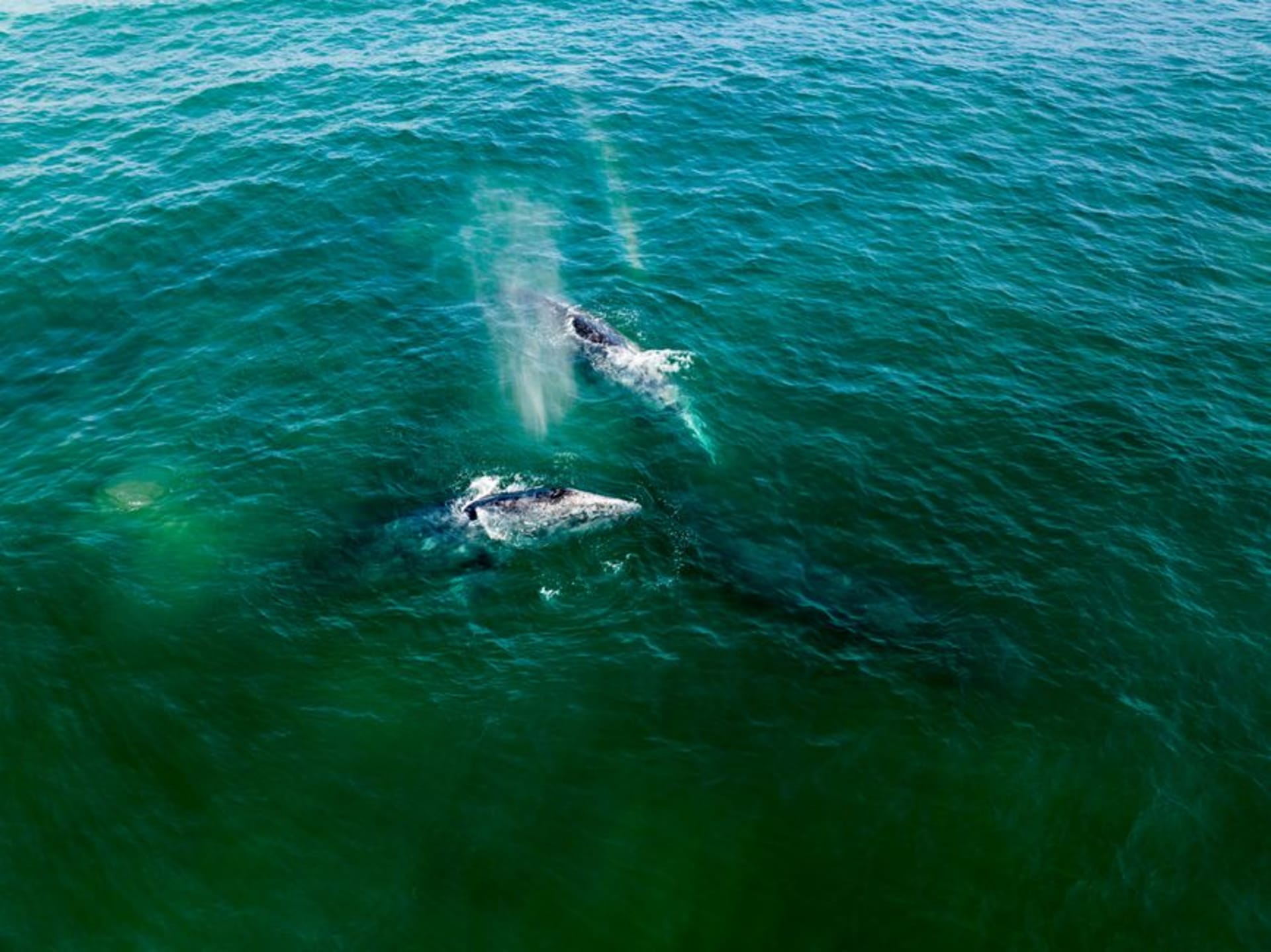
"A gray whale surfaced close enough to the panga that I could see the barnacles on her back — she was checking us out as much as we were watching her."
It was the third week of February when I finally made it to Puerto San Carlos — four years later than I had intended, arriving on the afternoon bus from Ciudad Constitución with one bag and a reservation at a guesthouse that turned out to sit directly above a chandlery. The town earns its quietness honestly: a working fishing village built around a bay so large that the far shore disappears on overcast days, its economy divided between crab traps, sardine cannery ruins, and the seasonal influx of people who come, as I had come, for one specific reason.
The Whale at Three Meters
Bahía Magdalena receives gray whales each winter — females who have crossed eight thousand kilometers from the Bering Sea to birth and nurse their calves in the protected lagoon. The season runs January through March, with February typically offering the highest concentrations. I went out at seven in the morning with a pangero named Ignacio, who has worked these waters for over two decades and carries the calm of someone who no longer needs to explain what is about to happen.
He cut the engine three hundred meters from a mother-calf pair and let the panga drift. The thing nobody tells you in advance is the sound: gray whales exhale with a force you feel before you hear it, something between a puncture and a thunderclap, and the vapor hangs in the cold morning air longer than you expect. A female surfaced at approximately three meters from the hull. She was unhurried about it — her eye at the waterline, taking her time, the barnacles on her rostrum crusted and white. The calf surfaced alongside her. None of us in the boat said anything for four minutes. When they dove and moved on, it took a while longer before anyone spoke.
Puerto San Carlos After the Panga
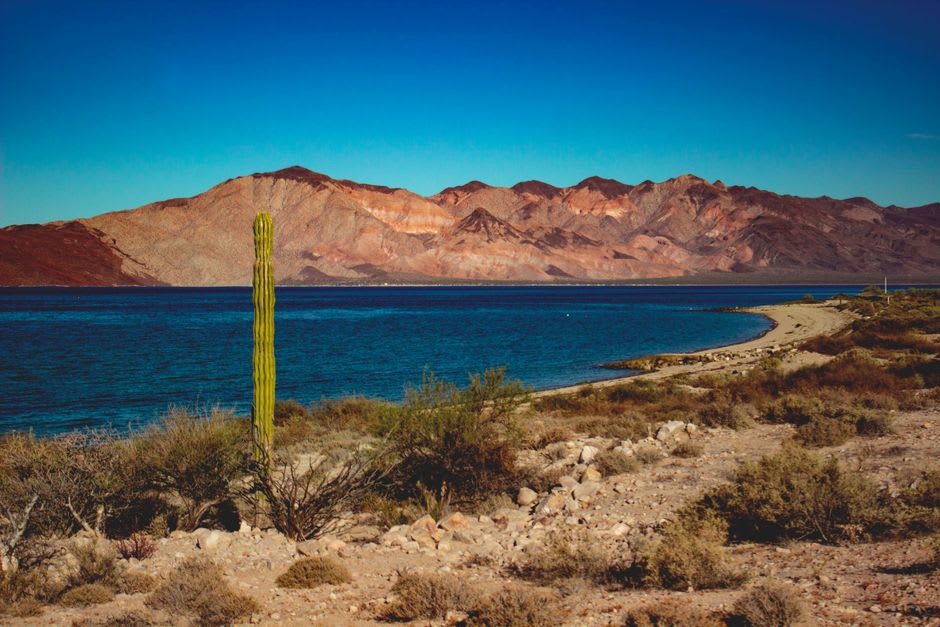
La Palapa del Pescador on the waterfront road is where you go when you come back to shore. The almejas chocolatas — chocolate clams, named for the dark shell rather than any particular flavor — arrive raw with lime and valentina, or grilled in garlic butter over open flame, and both preparations are correct; I ate them at breakfast and again at dinner without feeling any need to vary the program. The fish tacos at the counter operation near the Pemex use corvina from that morning’s catch. There is one market in town, small and functional, with enough to cover three or four days if you supplement from the boats. I bought a kilo of fresh shrimp directly from a pangero for three hundred pesos, handed to me in a plastic bag still dripping from the cooler. The village takes about twenty minutes to walk end to end, which is not a complaint.
The Rest of the Bay
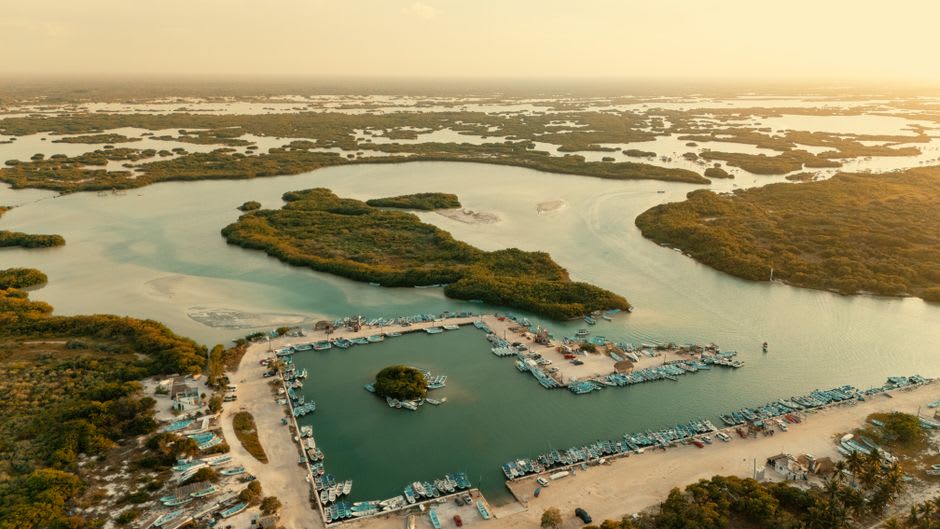
The whale tours run from seven to noon. What remains is considerable. The channels between mangrove islands hold brown pelicans, magnificent frigatebirds, and blue-footed boobies in numbers that suggest the wildlife here has never felt particularly inconvenienced by human presence. The barrier island separating the bay from the open Pacific is visible from the dock — on clear afternoons you can see the surf breaking on its Pacific face. One outfit near the muelle rents kayaks for self-guided mangrove exploration; go at low tide and bring enough water. At dusk the bay goes flat and silver, and the silence is the kind that reminds you the nearest major city is three hours away.
Getting There
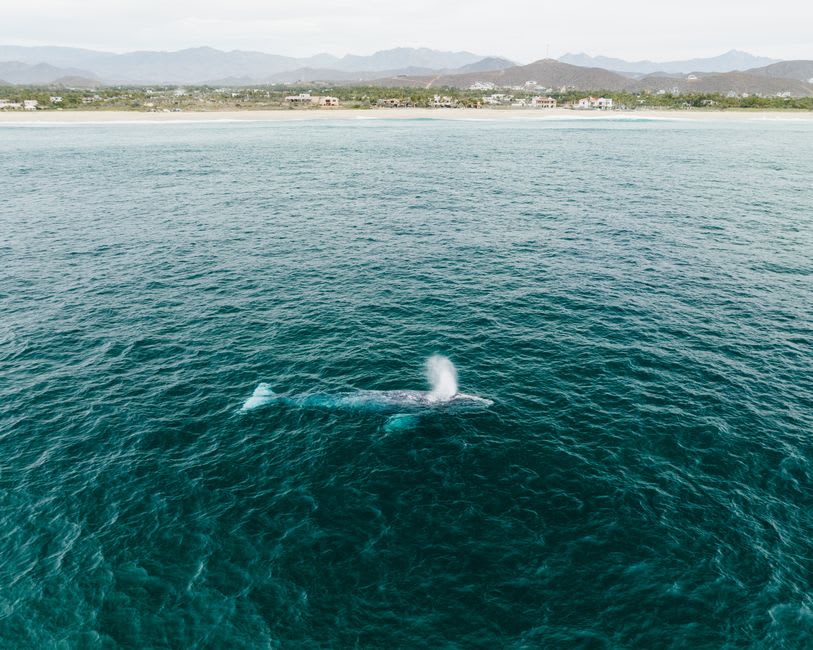
Fly to La Paz, then drive or take an ABC bus south on Highway 1 to Ciudad Constitución — roughly three hours. From Constitución, a local bus runs to Puerto San Carlos in about forty-five minutes. Renting a car in La Paz gives you more flexibility for stops along the way. Plan for three nights minimum; two nights is possible, but you will leave wanting another day on the water.