Asientos
"The church has been watching over this square since sometime in the 1600s, and the tianguis vendors look like they have been there almost as long — unhurried, unimpressed, selling you a kilo of chiles ancho like it's the most natural transaction in the world."
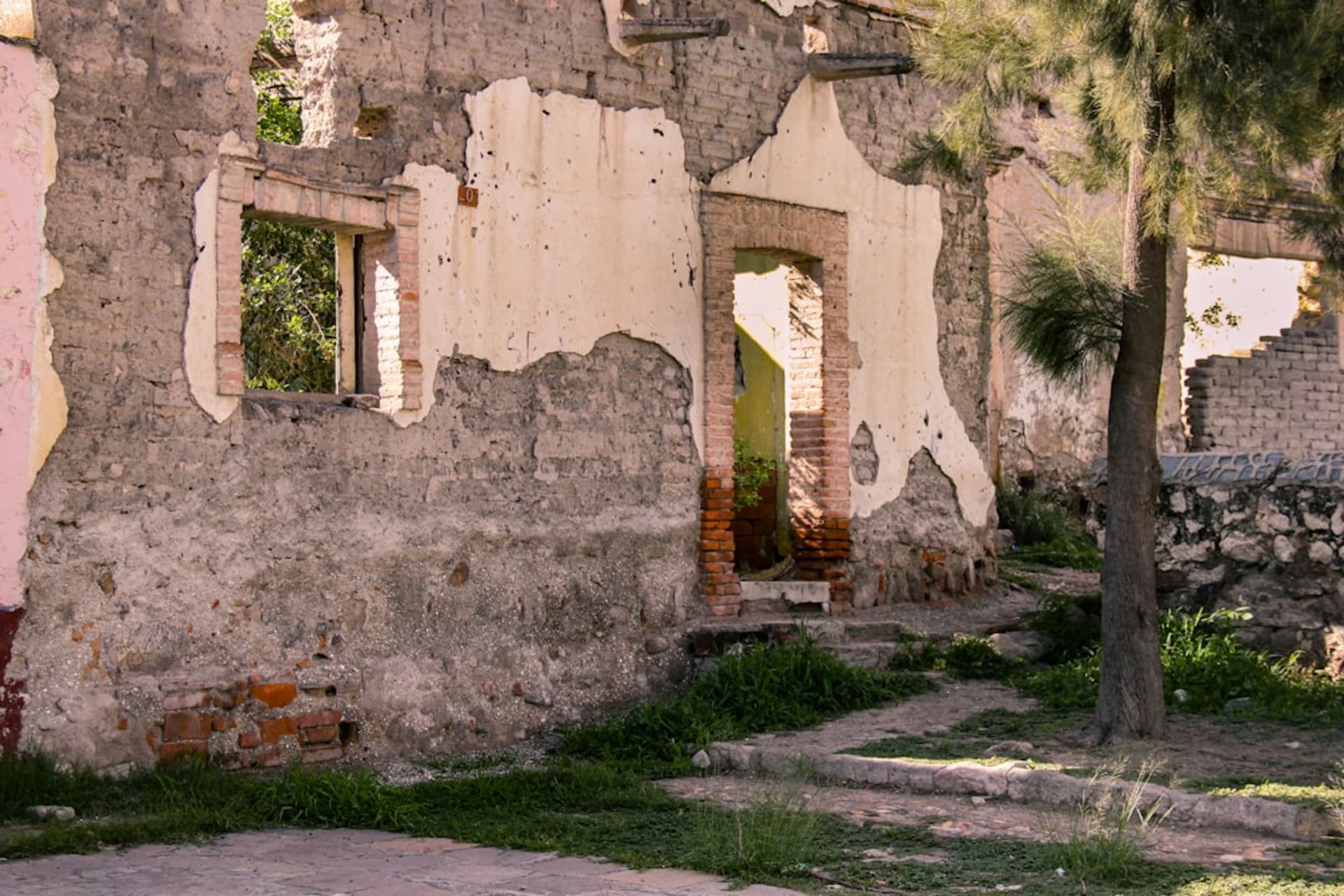
I drove into Asientos on a Sunday morning when the light was still low and the carnitas vendor on the far side of the zócalo was just setting up his tarp. The town sits in scrubby hills east of Aguascalientes city, the kind of landscape that looks almost hostile until you’ve been in it long enough to notice the quality of the silence. The church was already open. A few women in dark clothing crossed the square without hurrying, without glancing at my car. Asientos doesn’t perform arrival for you; it simply continues being itself.
The Square That Forgot to Change
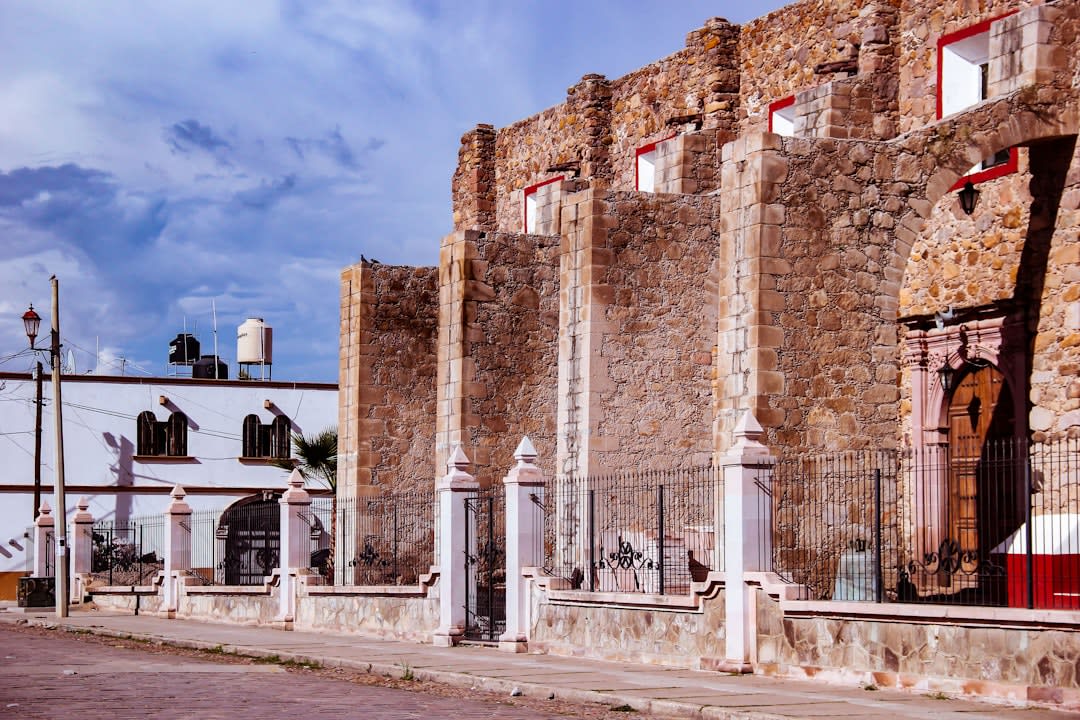
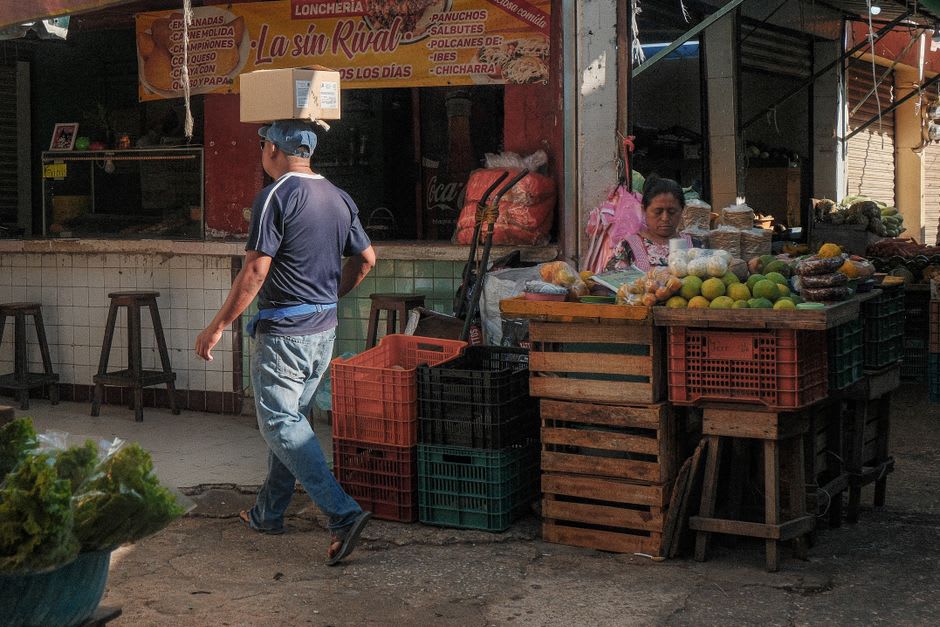
The baroque church of Santiago Apóstol has been facing this plaza since sometime in the 1600s, and on Sunday mornings, when the tianguis fills the surrounding streets, the whole arrangement looks remarkably unchanged by the intervening centuries. Not picturesque in the curated sense — there are no café tables positioned for photographs, no tourist board signs — just vendors who have set up in the same spots so many times that the ground remembers them. One woman sells chiles ancho by the kilo from a plastic tarp, her prices written in marker on a piece of cardboard. Another has embroidered blouses folded into a plastic bag. A man near the corner has laid out a collection of second-hand hand tools — wrenches, a level, assorted hardware — with the calm certainty that someone will need exactly what he has. I bought two hundred grams of chile mulato and spent twenty minutes pretending to consider the tools. Nobody pressured me either way.
The Mining Town’s Table
This is an old extraction town, and extraction towns develop a particular relationship with food: unglamorous, filling, no apologies. The carnitas at the small puesto near the mercado on Sunday mornings are served chopped on a paper plate with a stack of handmade tortillas and three salsas — two red, one green, all of them genuinely hot. The proprietor doesn’t ask how you want it; you get what there is. The coffee, from a fondita two doors down, arrives in a clay cup and is strong enough to qualify as a structural decision. I ate standing at a plastic table while a radio somewhere behind me played norteño at a volume suggesting it was doing double duty as an alarm clock. Two men at the next table were talking about a truck. No one was discussing the historic atmosphere.
What to Actually Do Here
Go on a Sunday. The tianguis runs through late morning and is over by early afternoon — arrive by nine if you want the full spread. Walk the perimeter of the zócalo, step inside the church (the retablo is worth a slow ten minutes), then find something to eat before the fonditas close. The town has no formal attractions and no hospitality infrastructure aimed at outsiders. The mining history is present mostly in the shape of the hills and the names of certain streets; the shafts themselves are long sealed. This is a town you visit because you are curious about what an old Mexican settlement looks like when nobody has tried to tidy it up for you — and because the carnitas are genuinely good.
Getting There
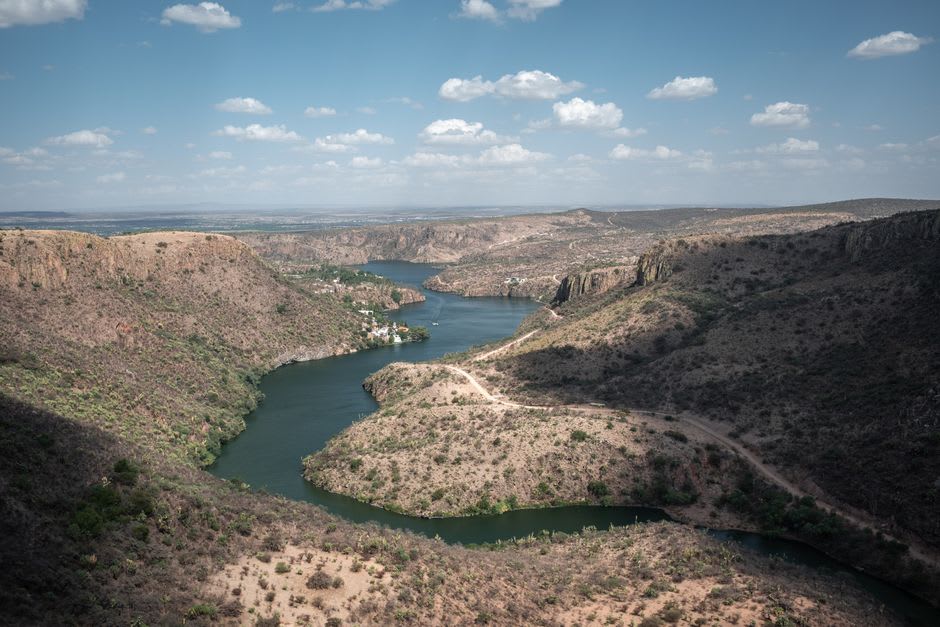
Asientos is about 60 kilometers east of Aguascalientes city — roughly 45 minutes on the highway toward Ojuelos de Jalisco. There is bus service from the Central de Autobuses in Aguascalientes, though frequency drops on weekends, so check the schedule before you go. The dry season, October through April, keeps the roads and the hills manageable. Sunday is the only day worth planning around.