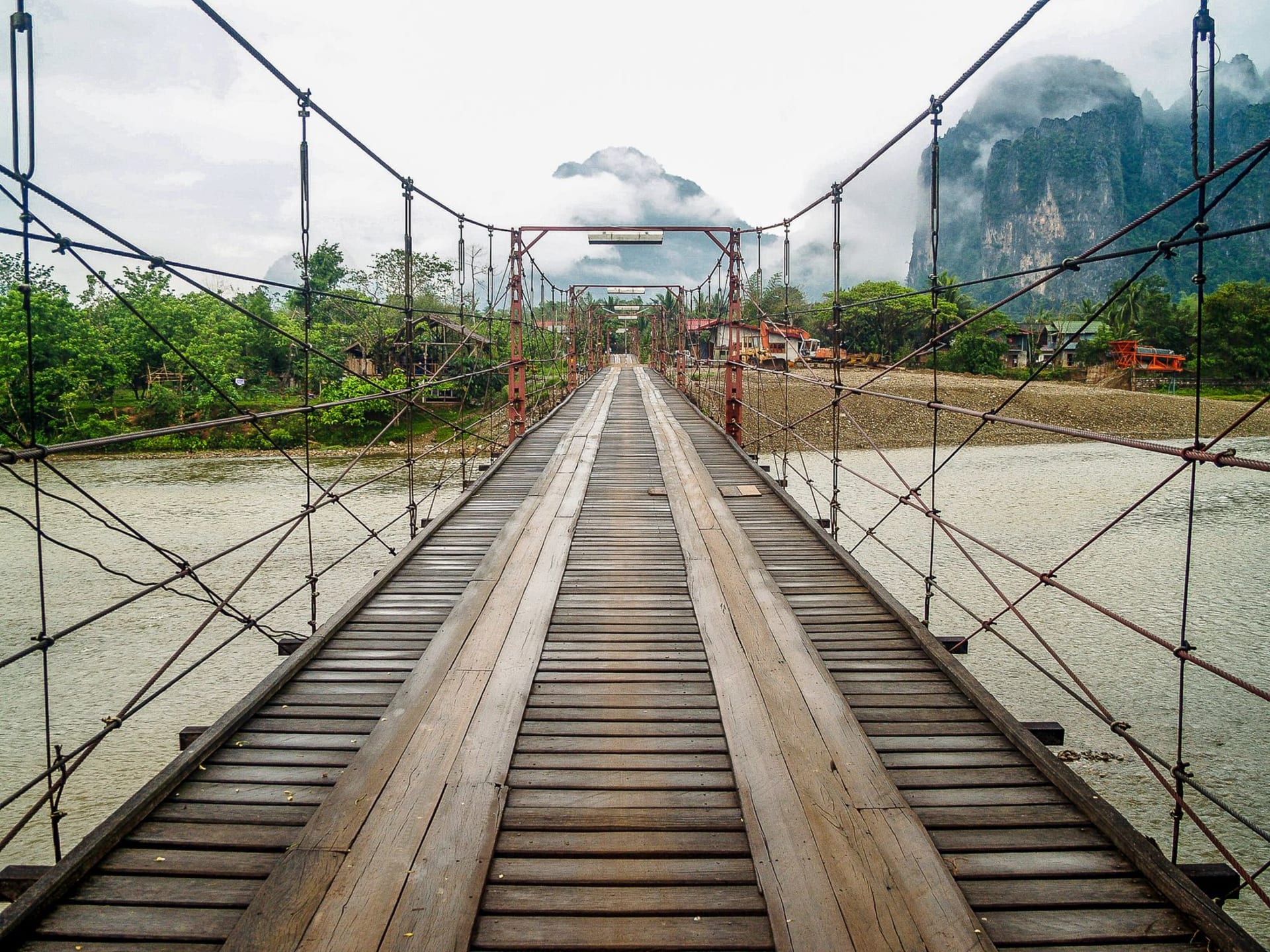
Muang Ngoi Neua
"No road in. No road out. The boat leaves once a day. That is the schedule and also the philosophy."
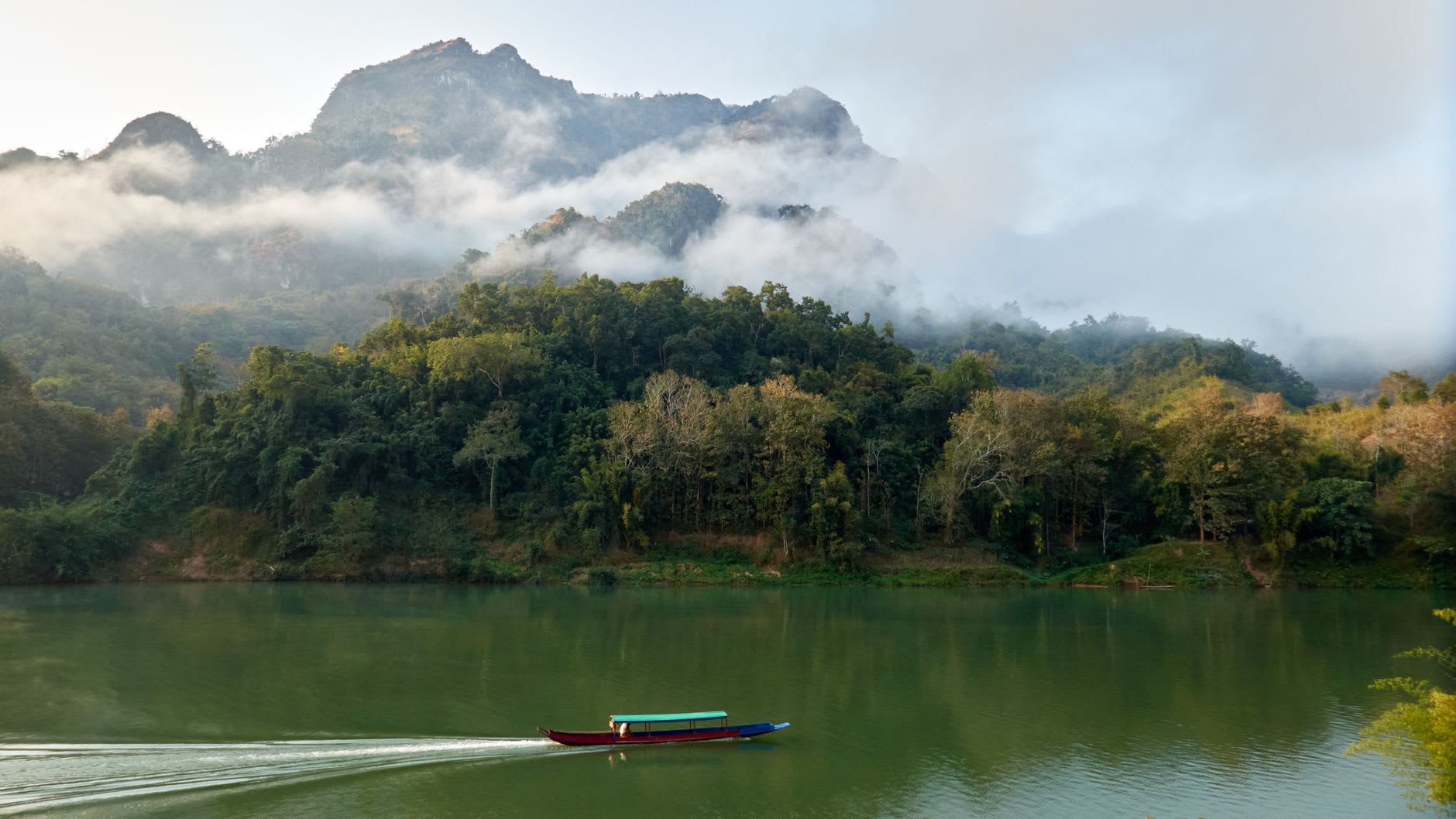
The boat from Nong Khiaw takes forty-five minutes upriver on the Nam Ou. You sit on a wooden board across the hull of a narrow longboat, the engine noise making conversation impossible, and watch the canyon walls close in. The karst cliffs that bracket Nong Khiaw don’t end — they continue north and if anything get steeper, more theatrical, as the river winds between them. Villages appear on the banks occasionally — a cluster of stilted houses, someone waving from a dock, a child chasing a dog along the mud — and then the river bends and they are gone.
Muang Ngoi Neua has no road. There is not even a road nearby that you could carry things from. Everything that arrives here comes by boat or on foot over a mountain path that takes several hours. The consequence of this geography is a village that has developed in isolation from the supply chains and logistical pressures that reshape most places. The main street is a dirt path. There are no motorbikes. The electricity comes from a local system for a few hours each evening. The restaurants all serve more or less the same menu — noodle soups, fried rice, noodles with peanut sauce — because the ingredients are what the boats bring.
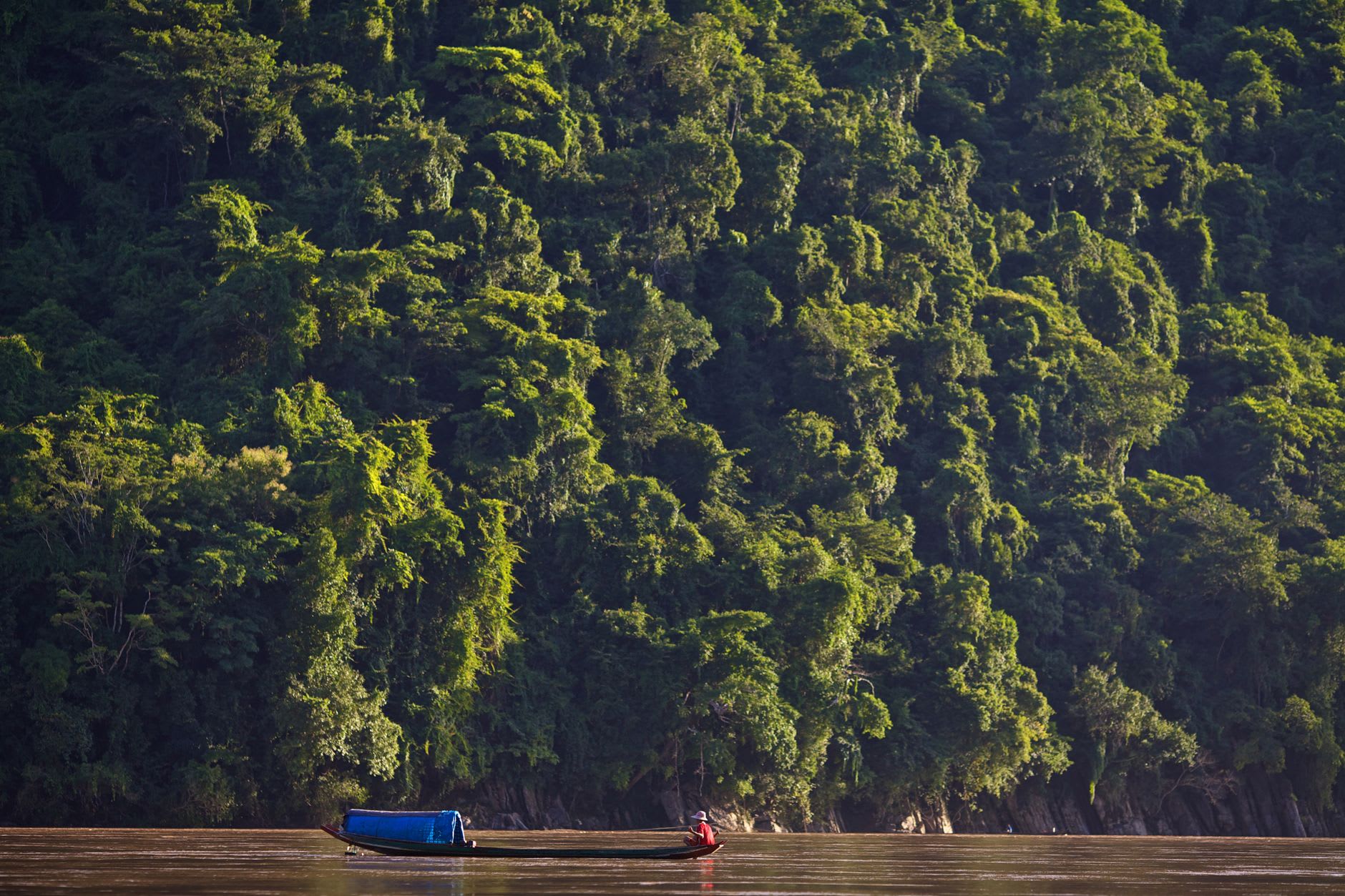
I stayed three nights, which felt right. The first day I walked north of the village along a path that follows the river into farming land — rice paddies pressed between cliff and water, where families were harvesting when I passed. A woman offered me water from a clay jug without being asked. The rice I watched them harvest would end up in my dinner bowl that evening, probably, given the supply chains in operation. This connection between field and table was so short it felt prehistoric.
The caves north of the village are what most travellers come to see, but the walk there is the actual reward. The path goes through three ethnic minority villages — Khamu and Hmong settlements where the houses are built differently from the Lao Loum style, where the dogs are smaller and the chickens more numerous and the children speak Lao as a second language. Tham Kang cave is lit only by the headlamp you bring, and its interior has formations that the locals have named — an elephant here, a seated monk there — which the guide points out with a cane and which you agree with because the darkness makes you agree with everything.
Evenings in Muang Ngoi Neua have a texture I keep returning to. Around five o’clock the light through the western cliff-gap goes orange and everything the light touches — bamboo walls, dust on the path, the river — turns briefly golden. The restaurants fill with the day’s travellers. People play cards. Someone has a guitar. The generator starts somewhere with a cough and a rumble, and the single bare bulb in each establishment flickers on. By nine the generator stops and the village returns to the kind of dark that a city person takes several nights to stop finding alarming.
When to go: November through February is the sweet spot — cool nights, clear skies, the Nam Ou navigable and green. The river runs very low in the hottest months (March and April), sometimes making the boat trip difficult. Rainy season (June through October) makes the surrounding trails impassable mud, and the Nam Ou runs fast and brown; the village becomes even more isolated than usual.