The South & Beaches
"The Caribbean as it should be — beautiful, delicious, and completely unrushed."
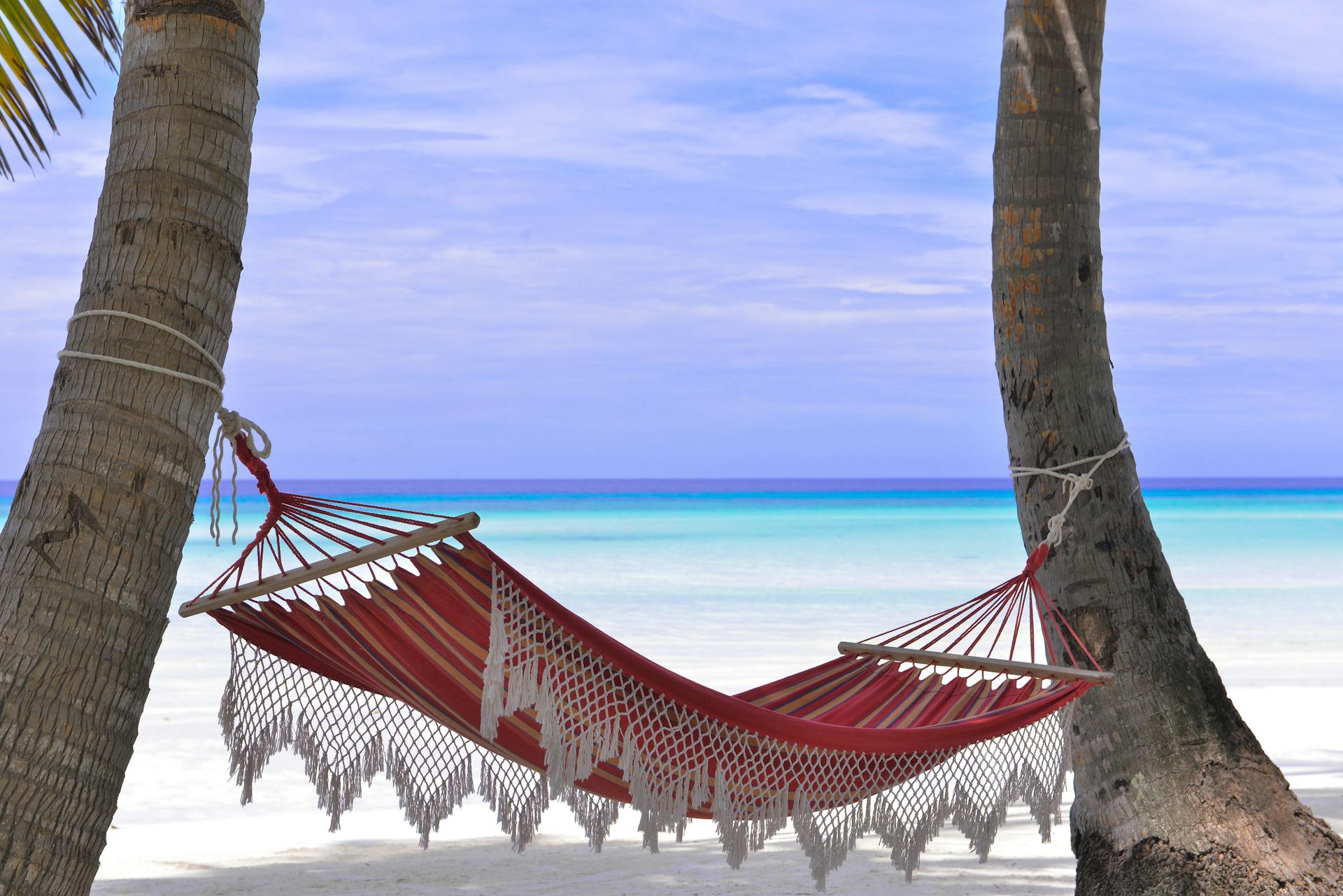
Southern Martinique is where the beaches are, and they are genuinely beautiful — white sand, calm Caribbean water, and a coastline that alternates between sheltered coves and long crescent bays. But the south’s real distinction is its food culture. The lolos — family-run beach restaurants, often little more than a grill, a counter, and plastic chairs with a sea view — serve some of the best Créole food on the island at prices that make the north’s restaurants feel expensive.
Les Anses-d’Arlet is the village that captures the south’s essence — a small fishing harbour, a yellow-and-white church facing the bay, snorkeling directly off the beach among hawksbill turtles, and a lolo on the waterfront serving grilled fish and accras de morue that you will remember longer than the sunburn.
Grande Anse — a long, palm-backed beach at the southwestern tip — is the local favourite. The swimming is excellent, the waves are gentle, and the rum shacks at the tree line serve ti’punch with the authority of a century of practice.
Les Salines — the postcard beach near Sainte-Anne — is a kilometer of white sand fringed with coconut palms that leans so far into cliché it comes out the other side into genuine beauty. Weekends are busy with Martiniquais families; weekday mornings are nearly empty.
Anse Dufour and Anse Noire — twin coves accessible by a steep road south of Les Anses-d’Arlet. Dufour has white sand and fishing boats; Noire has black volcanic sand and better snorkeling. The contrast between the two, separated by a single headland, is one of the island’s small marvels.
The Savane des Pétrifications — a coastal trail in the southeast — crosses a landscape of petrified forest and dry scrub that looks nothing like the rest of Martinique, ending at dramatic Atlantic-facing cliffs.
When to go: December to April for the calmest seas and clearest water. The south is drier than the north year-round.