Caribbean
Martinique
"Where France meets the tropics and both are better for it."
Martinique is the Caribbean destination that does not behave like one. There are no all-inclusive resorts, no cruise-ship hordes, no spring-break energy. What there is: a volcanic island of extraordinary beauty where French culinary standards collide with Creole traditions, where the rum is aged in oak barrels with the same seriousness the Bordelais apply to wine, where the language shifts between French and Créole mid-sentence, and where the Atlantic and Caribbean coasts offer two entirely different experiences separated by a forty-minute drive.
The north of the island is dominated by Mont Pelée, the volcano that destroyed the city of Saint-Pierre in 1902, killing thirty thousand people in under two minutes. The ruins remain — a Pompeii of the Caribbean — and the city has quietly rebuilt itself into something intimate and haunting. The surrounding rainforest is among the densest in the Caribbean, crossed by hiking trails that lead to waterfalls, hot springs, and viewpoints where the green of the canopy meets the blue of the sea in a contrast so vivid it looks retouched.
The south is where the beaches are — Anse Dufour, Les Salines, Grande Anse — and they are genuinely beautiful, but Martinique’s real gift is its food. The Creole kitchen here operates at a level that would earn stars on the mainland. Accras de morue (salt cod fritters) as a bar snack. Colombo de poulet, the island’s signature curry, fragrant with a spice blend that arrived with Tamil immigrants and evolved into something entirely Martiniquais. Boudin créole, blood sausage that bears no resemblance to its French ancestor. And everywhere, the rum. Martinique is the only place in the world where rum carries an AOC designation — rhum agricole, made from fresh sugarcane juice rather than molasses, with a grassy, complex character that renders most other Caribbean rums one-dimensional by comparison. Visit Habitation Clément or Distillerie JM and taste a fifteen-year-old rhum vieux that could hold its own against any aged spirit on the planet.
When to go: December to May is dry season. February and March are ideal — warm, low humidity, the water at its clearest. June to November is hurricane season, though September and October carry the highest risk. The shoulder months of June and November can be excellent, with lower prices and fewer visitors.
What most guides get wrong: They group Martinique with the generic Caribbean beach islands. It is not that. It is France in the tropics — with all the culinary ambition, cultural complexity, and slight haughtiness that implies. Come for the food and the rum as much as the beaches. Rent a car. Explore the north. Eat in the small family restaurants where the menu is a chalkboard and the owner decides what you are having. Martinique rewards the curious, not the passive.
Explore
Places in Martinique
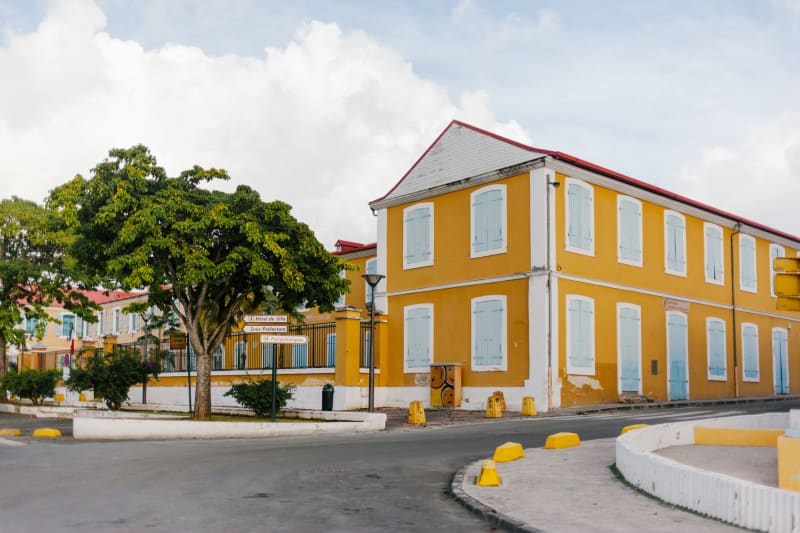
Anses d'Arlet
A fishing village so photogenic it could feel like a set, except the boats are working boats, the priest is a real priest, and the sea turtles grazing offshore didn't get the memo about being picturesque.
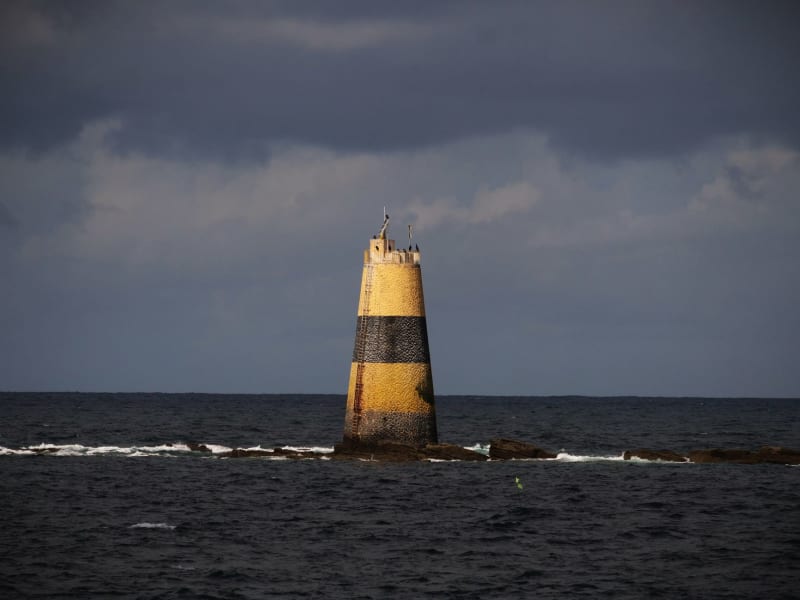
Presqu'île de la Caravelle
A wild Atlantic peninsula where plantation ruins crumble into mangroves and the trade winds hit hard enough to remind you the Caribbean has teeth.
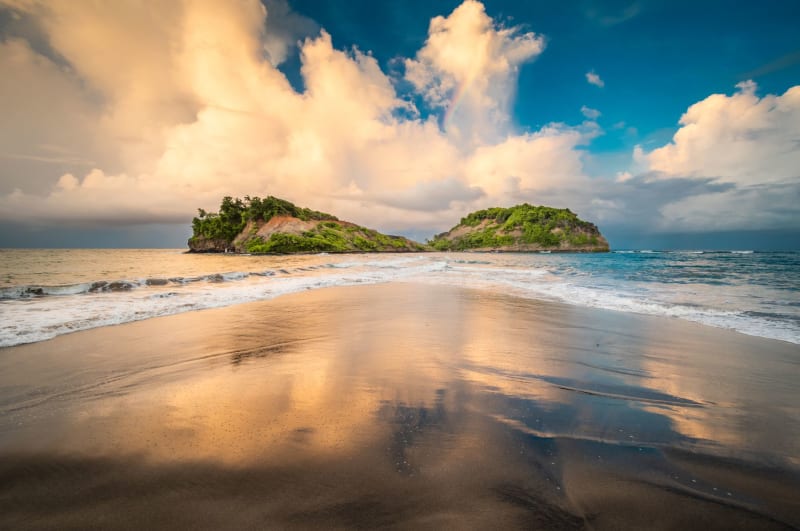
Le Diamant
A long southern beach anchored by an offshore volcanic rock that the British once commissioned as a warship and that still dominates everything it overlooks.
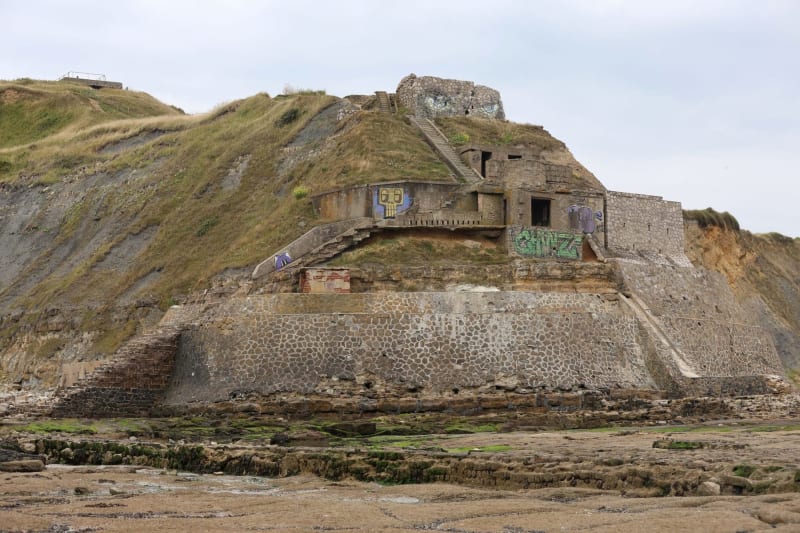
Fort-de-France
Martinique's capital crackles with Creole energy — the Savane park, market stalls, and Fort Saint-Louis above the bay.
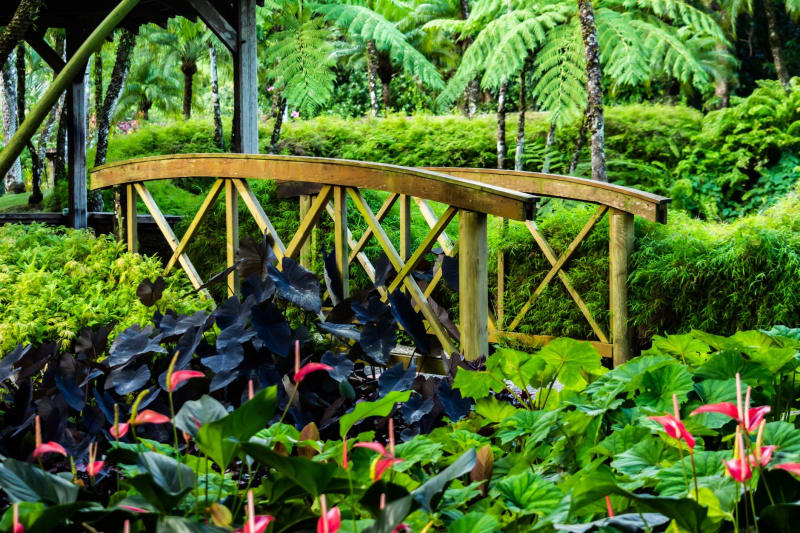
Jardin de Balata
A private botanical garden in the rainforested hills above Fort-de-France, where rope bridges sway through the treetops and the hummingbirds outnumber the tourists.
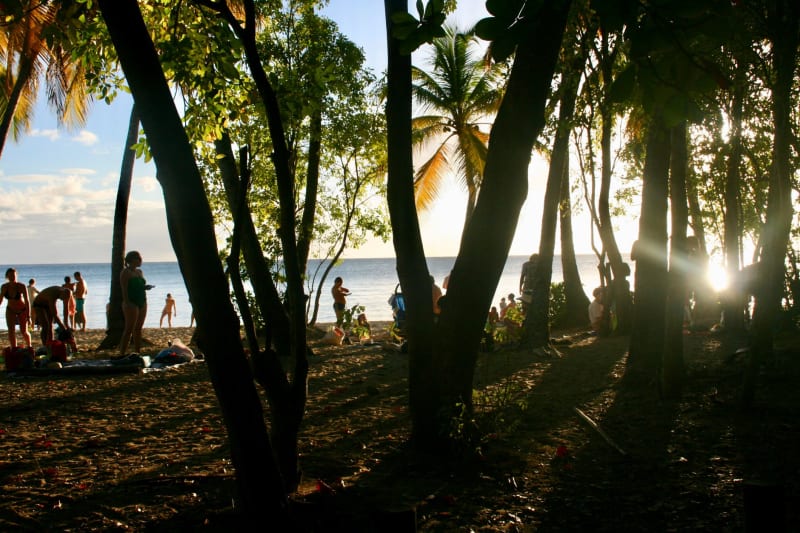
Le Marin
The sailing capital of the Caribbean Lesser Antilles — a working marina town with a seventeenth-century Jesuit church, the island's best fish market, and an entire culture organized around departure.
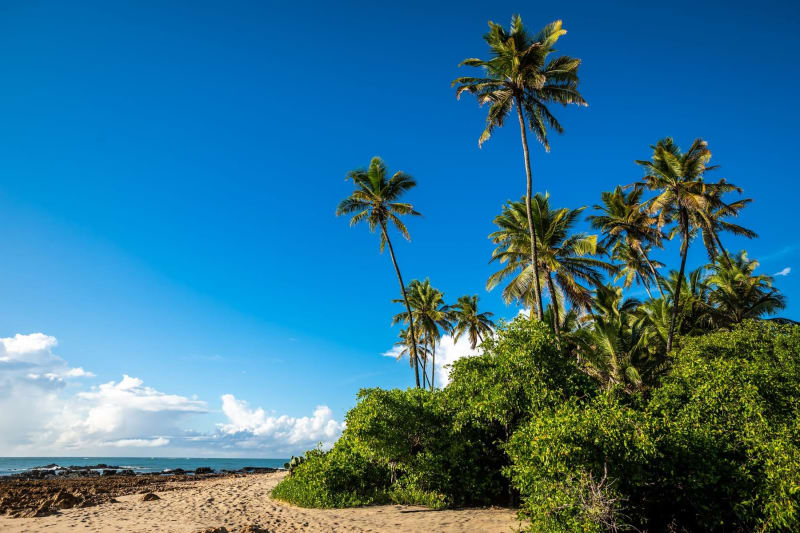
Les Salines Beach
A crescent of white sand backed by salt ponds and coconut palms — voted one of the Caribbean's finest beaches.

The North & Mont Pelée
Volcanic peaks, dense rainforest, rum distilleries, and the ruins of a city destroyed in two minutes.
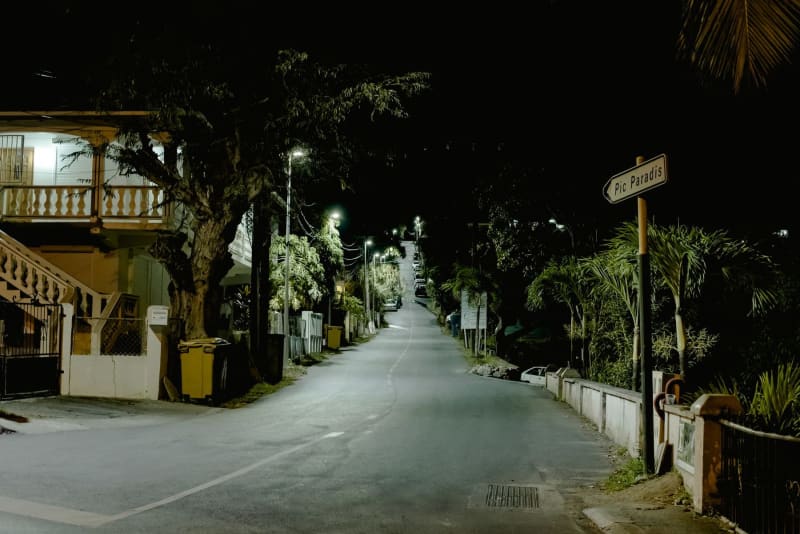
Saint-Pierre Martinique
The 'Paris of the Caribbean' destroyed in four minutes by Mont Pelée in 1902 — ruins and rum among the ash.
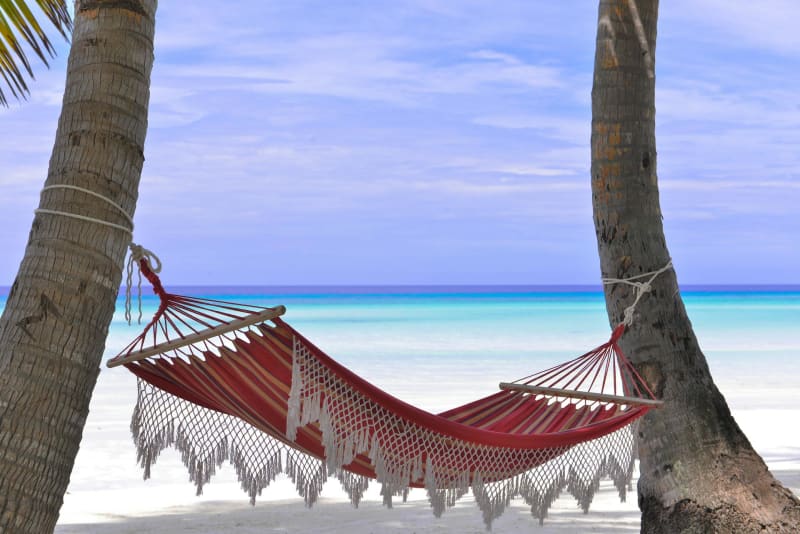
The South & Beaches
White sand, Créole lolos, and the Caribbean side of Martinique — warmer, calmer, and built for long lunches by the sea.
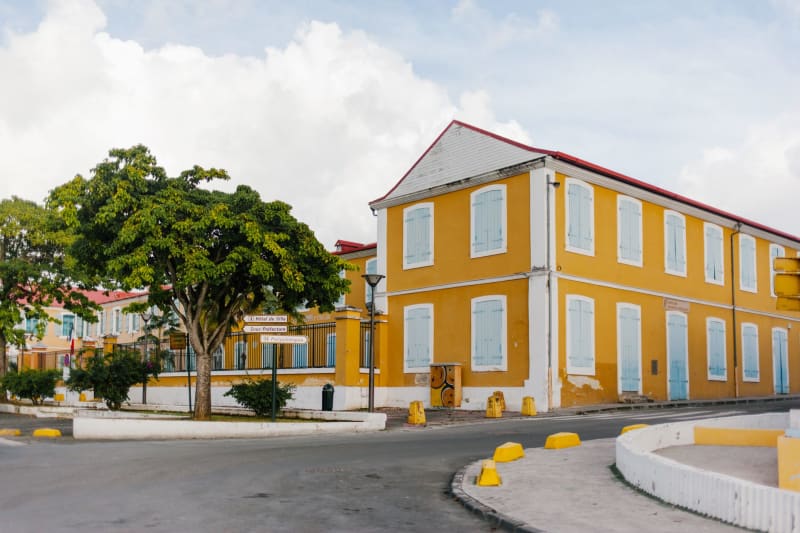
Les Trois-Îlets
A slow village across the bay from the capital where Joséphine Bonaparte was born and where Martinique's unhurried side quietly persists.
From the journal
Articles about Martinique
Free download
Get the Martinique Guide
A curated PDF itinerary with honest picks, real restaurants, and the details that matter — the kind you'd actually print and bring.
Download the guide