Habitation Clément
"I came for the rum and stayed for the ghosts of a summit meeting in the garden."
A 1887 Creole plantation house, a cellar of vintage rum barrels, and gardens where Bush met Mitterrand in 1991.
Lia and I drove out to Le François on a whim, on the recommendation of a guy who ran the little dive shop where we’d rented snorkels that morning. He said something like “if you only see one estate in Martinique, make it Clément,” and shrugged in a way that made me trust him more than any guidebook could. We turned off the coastal road onto a long avenue of royal palms, and by the time the Creole house came into view — this pale, wooden 1887 building with wraparound galleries — I understood the shrug. It has the unhurried grandeur of a place that was built to last, not to impress, though it manages both.
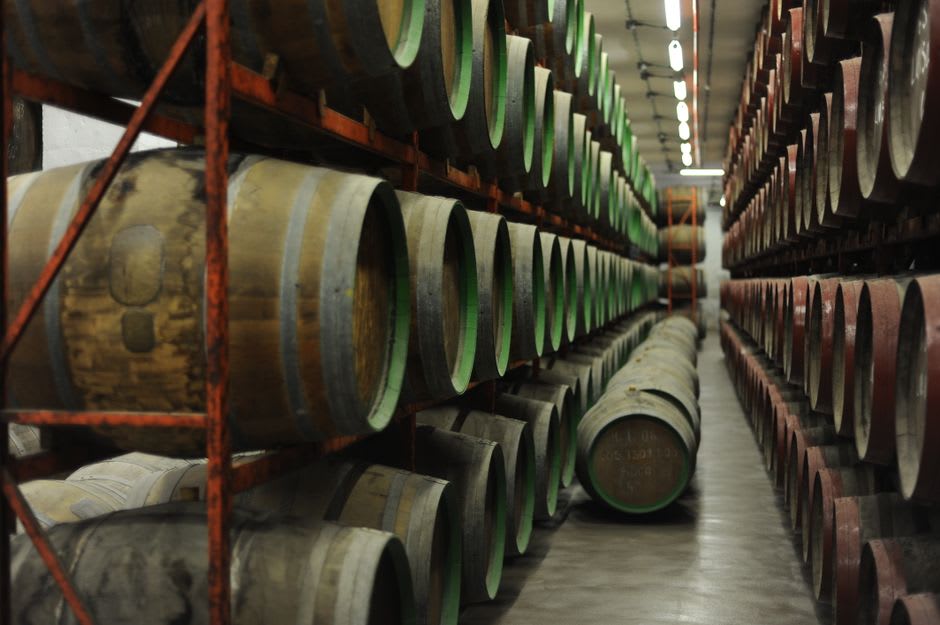
We started in the aging cellar, which was cooler and darker than I expected, lined with more than 300 barrels of rhum agricole slowly turning amber in the shadows. The guide told us the estate’s rum-making history goes back to the 19th century, long before Léon Clément built the house, and you could smell it — that faint sugarcane-and-oak sweetness sitting in the air like something permanent. I bought a bottle I had no real plan for and carried it around the rest of the afternoon like a souvenir I wasn’t ready to put down.
What surprised me most was learning, standing in the salon where the furniture still looks lived-in, that this was where George H.W. Bush and François Mitterrand held their 1991 summit. I tried to picture two presidents talking policy in a room where the ceiling fans were now just lazily stirring afternoon heat, and it gave the whole estate a strange, quiet gravity — history folded into a place that otherwise felt entirely about slowness and sugarcane. We wandered the botanical gardens afterward, past mango trees and royal palms, and ducked into one of the restored outbuildings now hosting a rotating contemporary art exhibition, which felt like a nice, unexpected jolt against all that colonial-era wood.
By the time we left, the light was doing that late-afternoon gold thing over the cane fields, and I finally understood why the estate carries the Site Remarquable du Goût classification — it’s not just about the rum, it’s the whole layered story of agriculture, craft, and taste that the place insists on telling you, slowly, room by room.
When to go: Habitation Clément is worth a visit any time of year, but if you want to actually enjoy the gardens without wilting, aim for the dry season between January and April.
Keep exploring
More from Martinique
 martinique
 Jardin de Balata
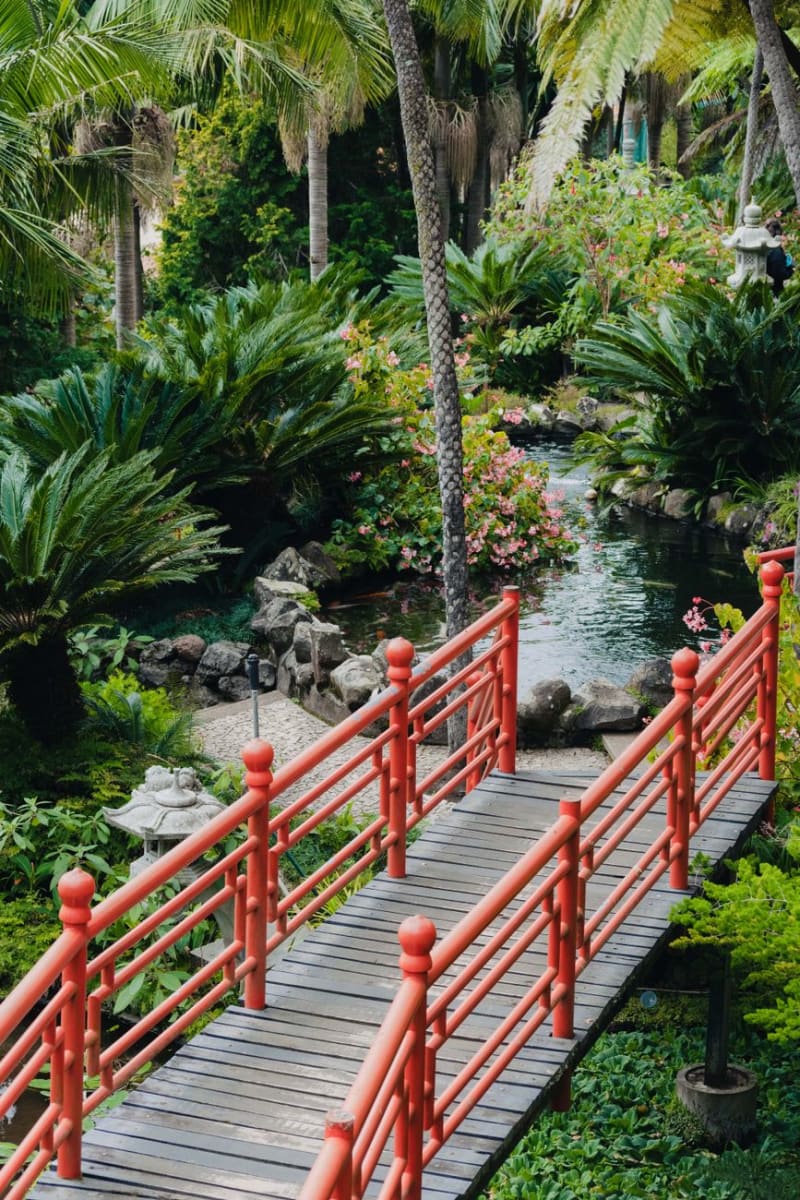
A private botanical garden in the rainforested hills above Fort-de-France, where rope bridges sway through the treetops and the hummingbirds outnumber the tourists.
Explore martinique
 Le Marin
The sailing capital of the Caribbean Lesser Antilles — a working marina town with a seventeenth-century Jesuit church, the island's best fish market, and an entire culture organized around departure.
Explore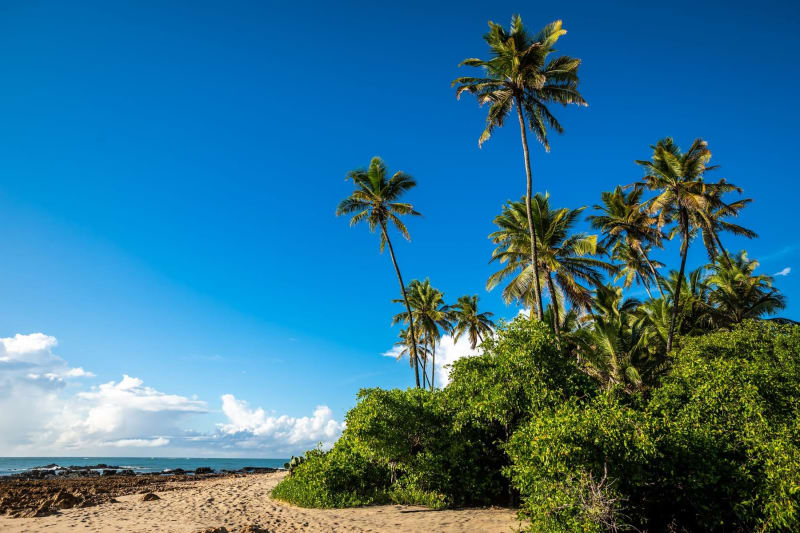 martinique
 Les Salines Beach
A crescent of white sand backed by salt ponds and coconut palms — voted one of the Caribbean's finest beaches.
Explore martinique
 The North & Mont Pelée
Volcanic peaks, dense rainforest, rum distilleries, and the ruins of a city destroyed in two minutes.
Explore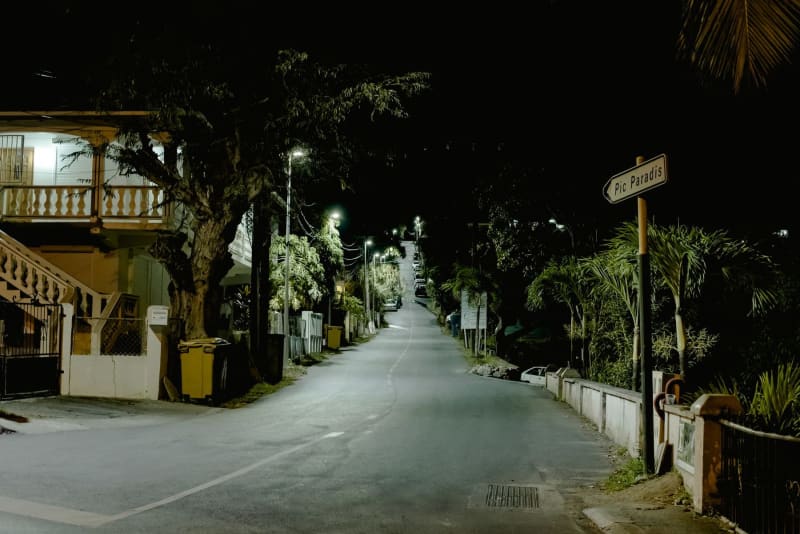 martinique
 Saint-Pierre Martinique
The 'Paris of the Caribbean' destroyed in four minutes by Mont Pelée in 1902 — ruins and rum among the ash.
Explore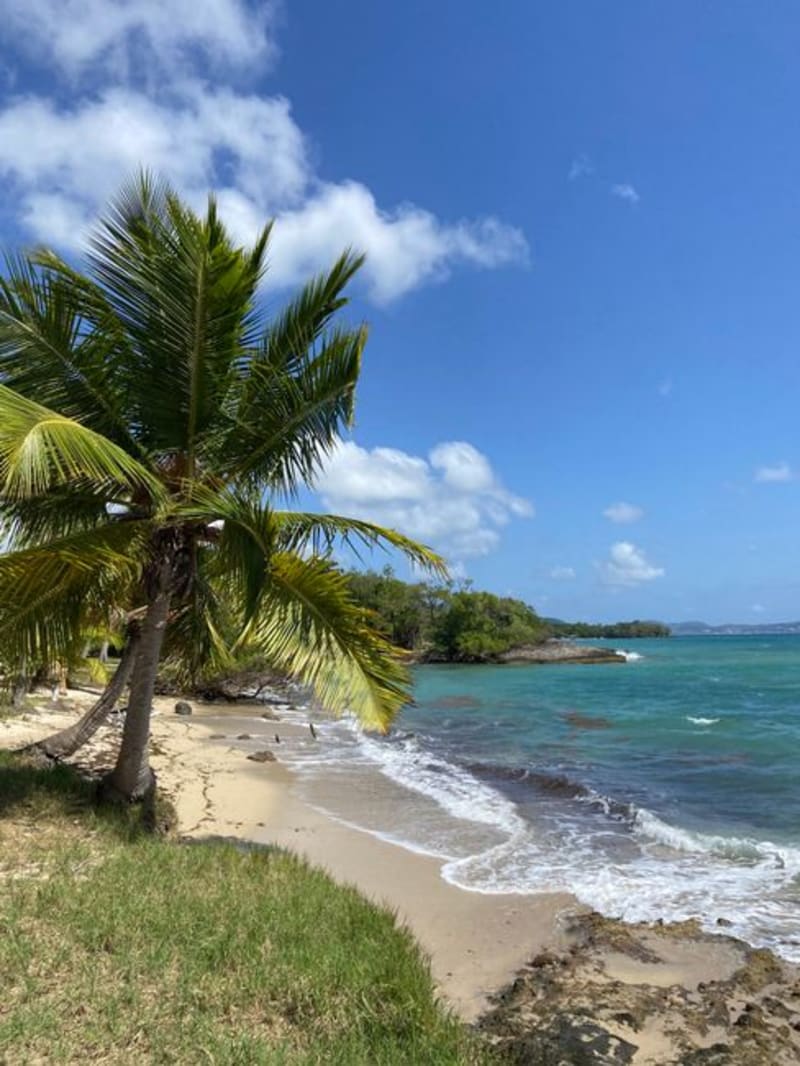 martinique
 Sainte-Anne
A fishing village at Martinique's southern tip where white sand, rum-scented Sunday markets, and sailboats bound for Sainte-Lucie meet.
Explore