Utheemu
"The palace is made of coral stone and old wood and the particular silence of a place where something consequential happened long ago."
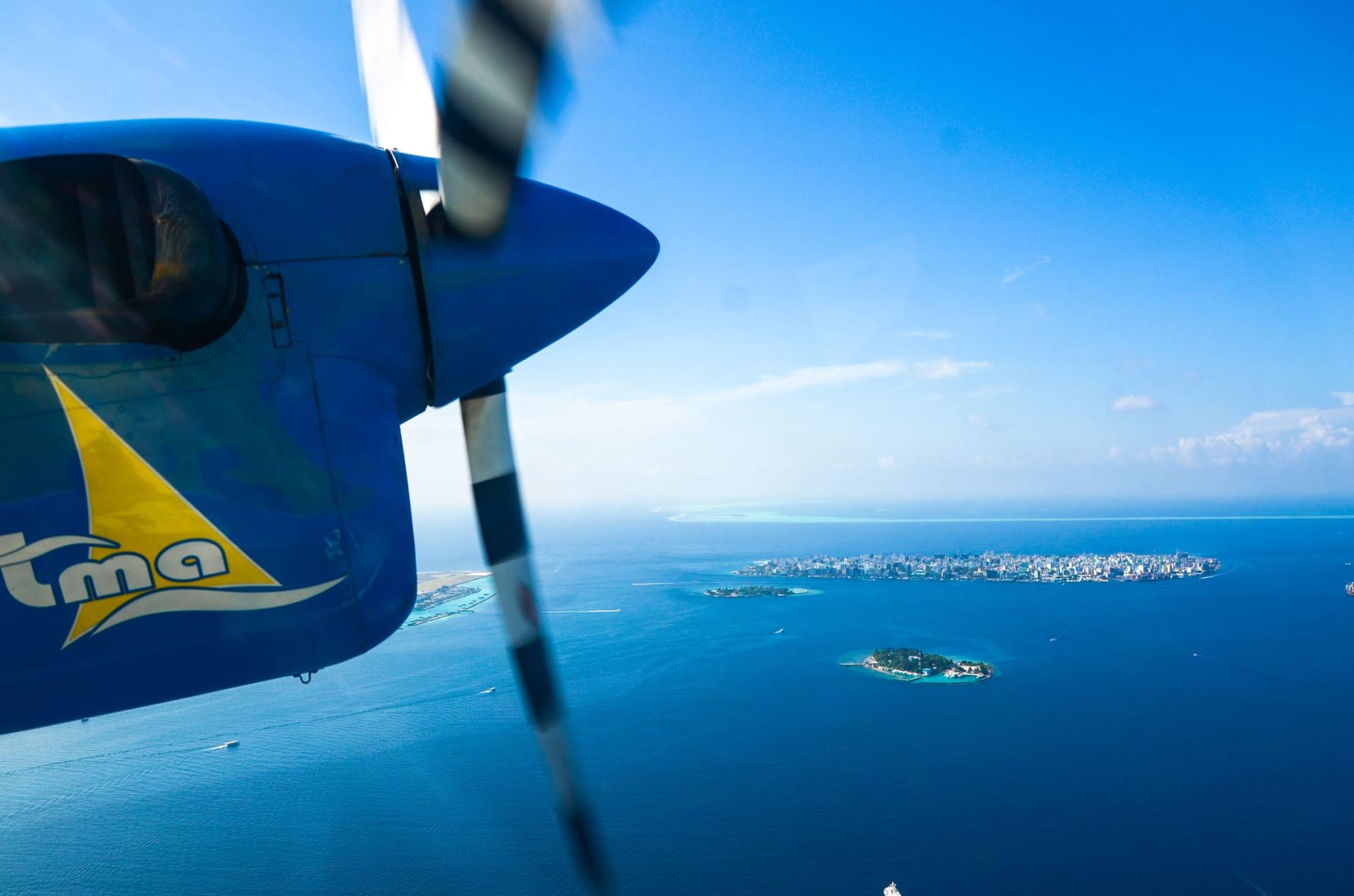
The domestic flight to Hanimaadhoo takes forty-five minutes and deposits you in the northern reaches of the Maldives in a way that makes it obvious how large this country actually is — the atolls here are far from Malé in spirit as well as distance, greener somehow, quieter in a way that isn’t just the absence of tourists but the presence of a slower pace built over centuries. From Hanimaadhoo a local ferry crosses to Utheemu, a small island in Haa Alif Atoll that receives a modest stream of Maldivian visitors coming to pay respects at a place of national significance, and a trickle of foreigners who’ve read far enough beyond the resort brochures to know the name Mohammed Thakurufaanu.

Utheemu Ganduvaru — the palace — is a low structure of coral stone and dark timber sitting in a shaded compound near the island’s edge, and it is the birthplace of Sultan Mohammed Thakurufaanu Al-Auzam, the man who in 1573 led a guerrilla campaign from a small boat called Kalhuohfummi to expel the Portuguese, who had occupied the Maldives for fifteen years and were not going gently. The campaign involved small raiding parties moving between islands at night, a strategy of asymmetrical sea warfare in an archipelago that its defenders understood far better than any occupying power could, and it succeeded. Thakurufaanu became sultan and the Maldives has governed itself ever since. He is on the currency. There is a national holiday in his name.
The palace itself is small and immaculately preserved — the carved lacquerwork panels on the interior walls are extraordinary, geometric and arabesque patterns in dark lacquer on teak that retain their precision after four centuries. A custodian opened the rooms and explained what I was looking at in English that was careful and considered, the explanations of someone who has given this tour many times and still believes the story deserves to be told properly. The room where Thakurufaanu was born has a particular quality of stillness. I don’t know if that quality is intrinsic or projected, but it was there.

Outside the palace compound, Utheemu is an island living its ordinary life with complete equanimity about its historical significance. The reef flat around the island exposed at low tide is crossed by children in rubber sandals catching small crabs. An older man walked slowly past the palace gate carrying a bag of groceries with the air of someone who has never given the palace a second thought because it has simply always been there. The guesthouse where I stayed — one of perhaps three on the island — served dinner at a single shared table where I ate with a young Maldivian couple from Malé who had come on a kind of national-heritage pilgrimage and were both surprised and slightly pleased to find a foreigner there.
There is nothing to do on Utheemu in the resort-amenities sense. The reef is beautiful, the lagoon shallow and clear, and the fishing boats go out and come back in the rhythms they have followed for generations. That ordinariness, surrounding the extraordinary specificity of what happened here, is the point.
When to go: November through April is most comfortable for the north, with calmer seas and lower humidity. The palace is open most days, though hours are informal — the custodian will find you if you wait near the gate. Arrange the Hanimaadhoo ferry in advance as schedules in the northern atolls run on Maldivian time, which is unhurried.