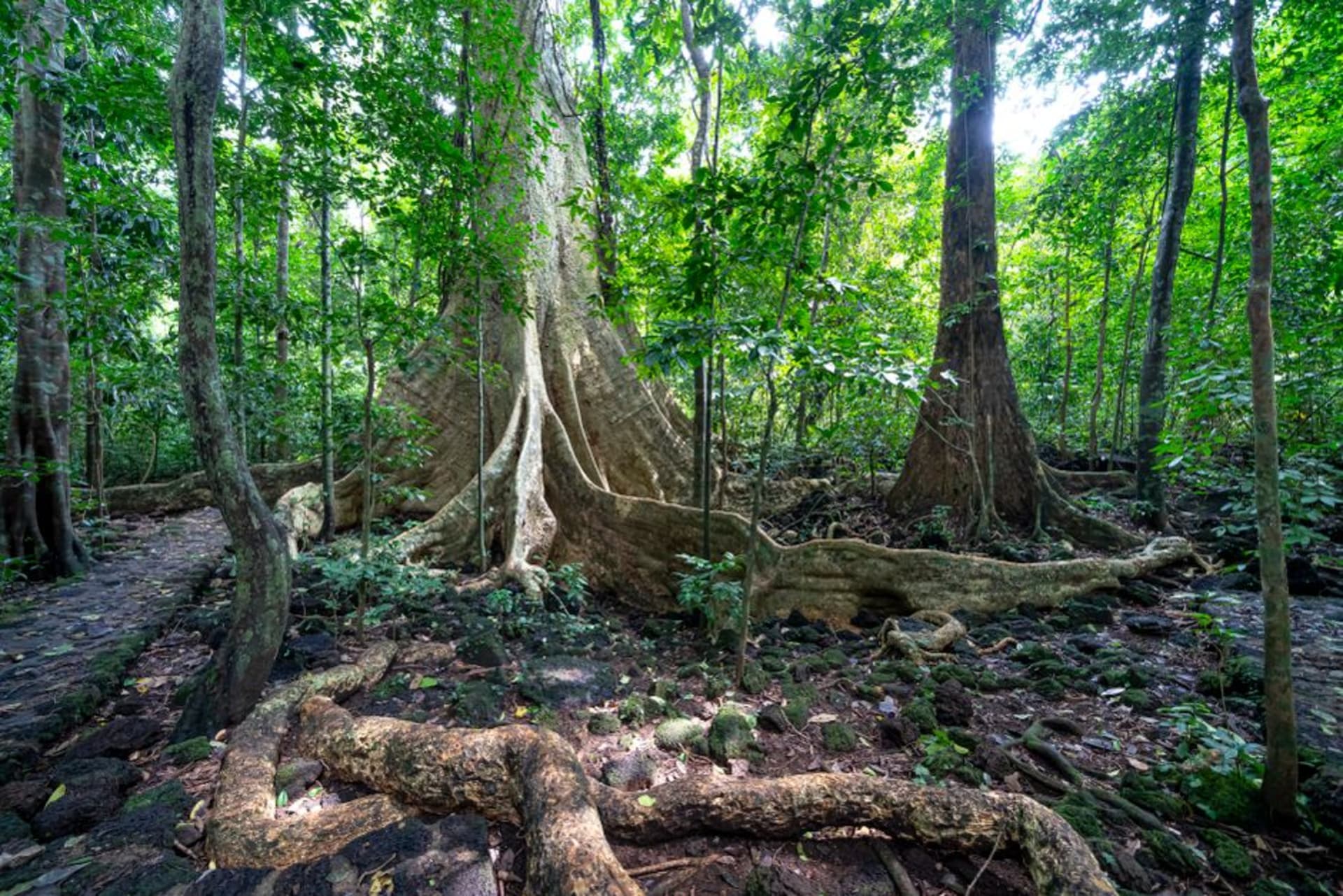
Masoala National Park
"There's no road to get here. You take a boat, and somewhere on that crossing the whole country starts to feel bigger."
Madagascar's largest protected rainforest, a roadless peninsula where the jungle runs straight down to a coral-fringed coast.
Getting to Masoala takes intention. There’s no road connecting the peninsula to the rest of Madagascar’s network — you fly or take a long, occasionally rough boat journey to Maroantsetra and then a further boat along the coast, and by the time I stepped onto the sand at a small lodge near the park boundary, the effort itself had already recalibrated my expectations. This is Madagascar’s largest remaining tract of protected primary rainforest, and it felt, arriving, like the most genuinely remote place I’d been on the whole trip.
Where the Jungle Meets the Reef
What makes Masoala geographically unusual is how directly the rainforest meets the sea — in most of Madagascar’s coastal parks, there’s some buffer of scrub or cultivated land between forest and shoreline, but here the canopy runs essentially to the high-tide line, and a short walk from a beach of pale volcanic sand can put you under full jungle cover within minutes. Just offshore, a marine section of the park protects reef that rivals anything I saw further north, and I spent one entire morning alternating between snorkeling over coral and drying off on sand backed by rainforest, which is not a combination Madagascar offers in many other places.
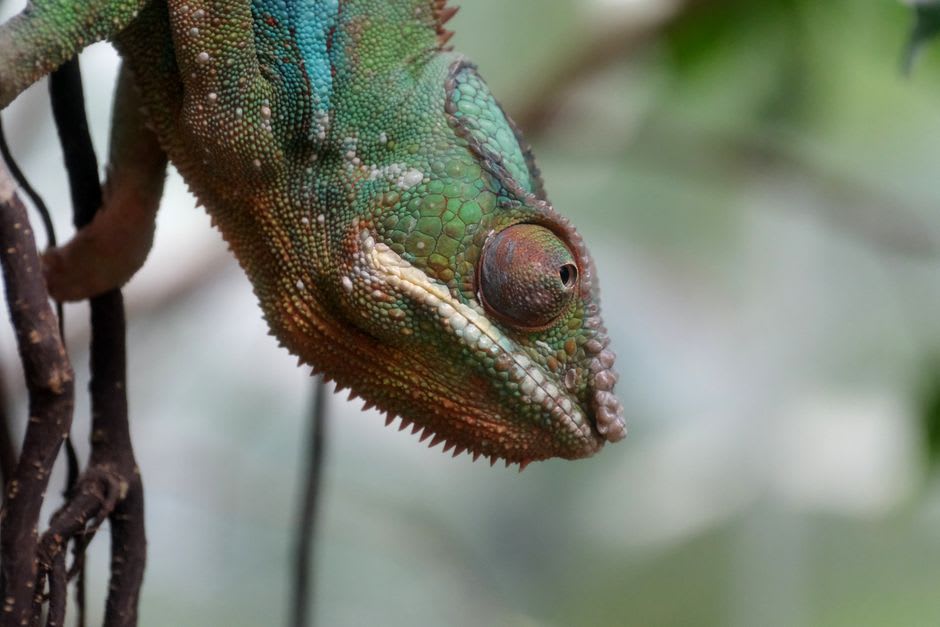
Red Lemurs in the Canopy
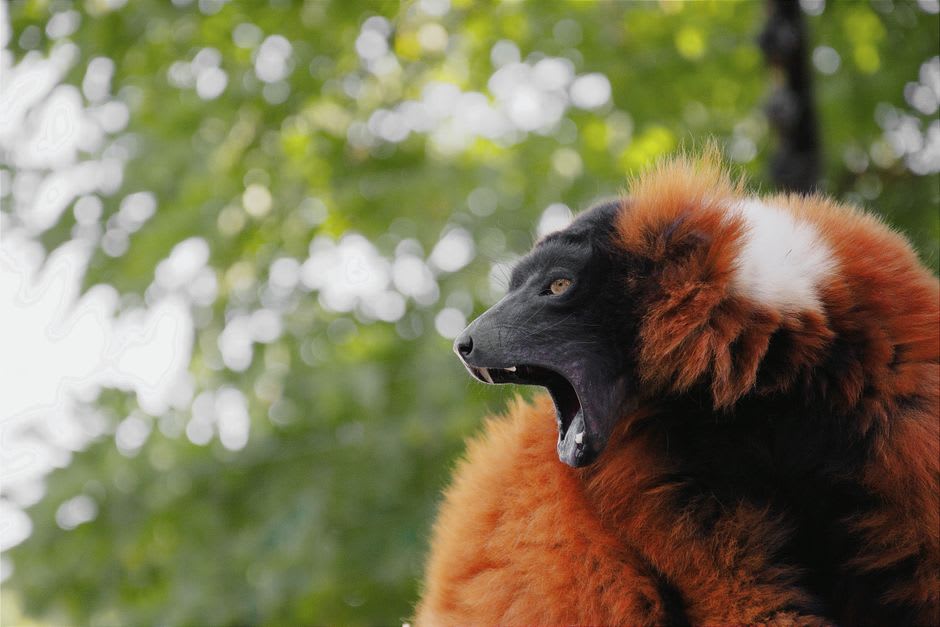
Masoala is the last significant stronghold of the red ruffed lemur, a species found nowhere else on Earth, distinguished by a deep rust-orange coat and a call that carries an alarming distance through dense canopy. My guide, Jean Baptiste, tracked a family group by ear for the better part of an hour before we finally got a clear look — three animals moving high in the canopy, backlit orange fur almost glowing where the sun caught it, calling back and forth in a bark that sounded, up close, considerably more aggressive than I’d expected from an animal that size.
A Village Runs on the Sea
The small fishing communities along the park’s edge live almost entirely off what the sea and forest provide, and I spent an evening at one, sharing a meal of grilled fish and rice with a family who’d hosted travelers occasionally through a community-tourism arrangement with the park. Their kids showed me a hermit crab collection they’d assembled with real curatorial seriousness, and the father, Nomena, talked about cyclone damage from a few seasons back that had taken down a significant stretch of canopy near the village — a reminder that this remoteness comes with real exposure to a increasingly harsh weather pattern.
Leaving Masoala meant reversing the whole difficult approach — boat, then boat again, then a flight — and I remember feeling, for the first time on the trip, genuinely reluctant to make the trip back toward anywhere resembling infrastructure.
When to go: September through December for drier trails and calmer boat crossings. Avoid January through March, cyclone season, when access can become genuinely dangerous or simply impossible.