Talek
"Every guide in the Mara passes through Talek. That alone tells you what you need to know about the place."
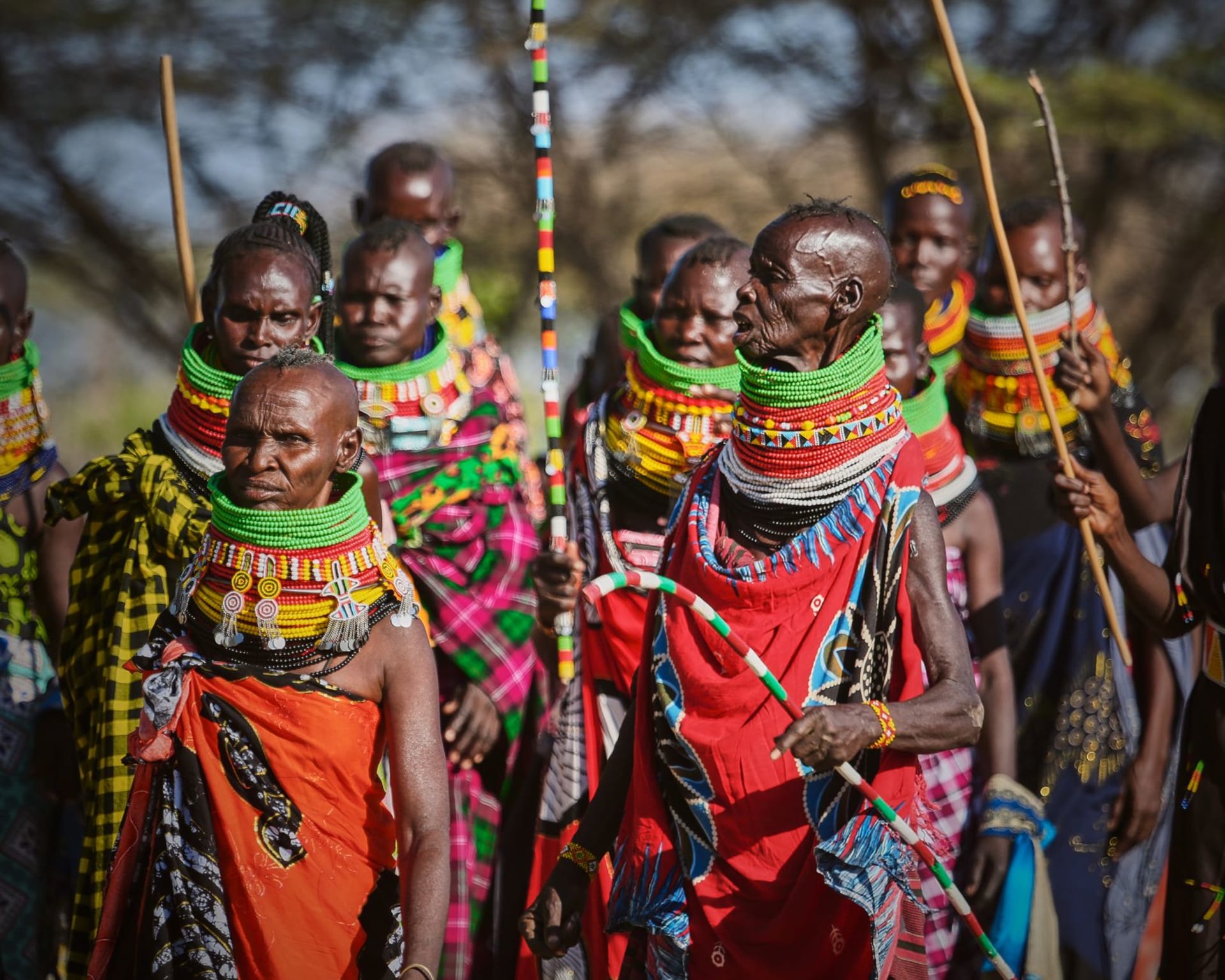
Talek is the kind of town that doesn’t appear in the brochures but makes everything in the brochures possible. It sits just outside the main reserve boundary, straddling a small bridge over the Talek River, and it has the particular energy of a place that lives in service of something much larger than itself. The main drag is unpaved and always dusty, flanked by mobile money kiosks, a few hardware stores selling jerry cans and rope, a pharmacy with mosquito nets hung in the window, and a scattering of guest houses with hand-painted signs. When I walked through on a Tuesday morning, there were as many Maasai men in red shukas checking their phones as there were safari guides in khaki filling up water bottles.
I’d come to meet the team at a community conservancy office that operates out of a building near the gate — the kind of low-slung breeze-block structure with a corrugated iron roof that could be anything in East Africa but here is doing serious conservation work. The woman running the ranger training program, Anne, explained over tea that Talek is essentially the human hinge of the whole ecosystem: the guides live here, the rangers live here, the supply chains for the camps run through here. Without Talek, the tented camps upriver would be elegant and empty.

The food in Talek follows the rhythms of who’s passing through. Early morning there’s chai — thick, sweet, boiled with milk and ginger — and mandazi, those airy Kenyan doughnuts that are simultaneously satisfying and gone too fast. By noon the local restaurants (calling them restaurants is generous; one plastic table, one woman with a gas burner, one pot of something very good) are serving githeri, the Kenyan maize-and-bean stew that is deeply unfashionable and deeply restorative after a cold morning on a game drive. In the evening there’s nyama choma somewhere, smoke rising from a charcoal grill, and men sitting on low stools outside discussing, based on the hand gestures, either politics or football or the location of the leopard everyone wants to find.
The Talek River itself runs just south of town, and it’s the quieter, more intimate counterpart to the Mara. Smaller, slower, fringed with reeds where woodland kingfishers sit in electric-blue bursts. A pod of hippos stations itself under the bridge almost year-round. In the mornings the elephants come down to the bank just west of the bridge, and if you’re up early enough you can watch them from the road without another vehicle in sight, which is a rarer thing than the distance between you and the reserve might suggest.

When to go: Talek is a year-round base — it’s more infrastructure than destination. But if you want to see it at its most alive, come during the Migration season (July–October) when it hums with guides, vehicles, and that particular electric anticipation of people who know something extraordinary might happen today.