Oak Alley Plantation
"Some places are beautiful and honest about what happened there at the same time. Oak Alley is one of them."
A quarter-mile tunnel of 300-year-old oaks leads to a mansion with a past far heavier than its postcard beauty suggests.
We drove out from New Orleans on a grey December morning, and I remember Lia going quiet the moment the oaks came into view. You round a bend on the River Road and suddenly there’s this quarter-mile tunnel of trees, 28 of them, branches so heavy and old they’ve bowed down to almost touch the ground. Someone planted those oaks in the early 1700s, more than a century before the Greek Revival mansion at the end of the alley even existed. I kept thinking about that gap — whoever planted these trees never saw the house, never knew a sugar planter named Jacques Telesphore Roman would build his fortune’s monument at the far end of their shade between 1837 and 1839.
The house itself is handsome in that heavy, columned way the Deep South does so well — I’m not surprised film crews keep coming back to it, we talked about Interview with the Vampire the whole walk up the drive. But Oak Alley doesn’t let you stop at handsome, and I respected that. Past the mansion, the plantation has reconstructed the slave quarters and built out exhibits telling you exactly what daily life looked like for the more than 100 enslaved people who worked this sugarcane land. It’s a quiet, unglamorous corner right next to the wedding-photo backdrop everyone comes for, and I think that’s deliberate. Lia and I spent longer there than in the house itself, reading names and job descriptions, trying to hold both truths of the place at once.
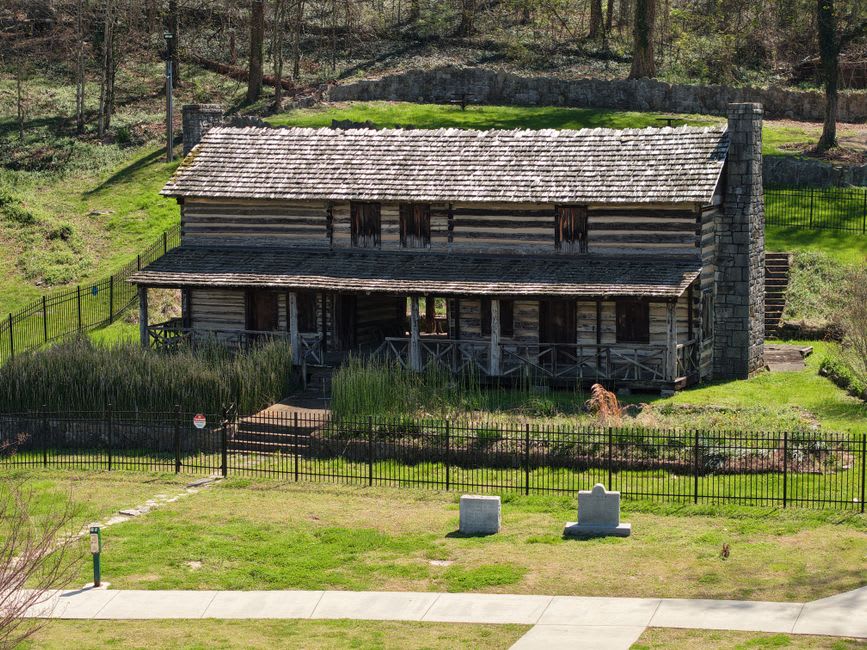
What stayed with me afterward wasn’t even the mansion — it was standing at the base of one oak, looking straight up through three centuries of branches, sap-dark and split with age, while a docent explained that this alley is now a National Historic Landmark and one of the most photographed avenues in the American South. I believe it. I’ve been to a lot of beautiful places and few have made me feel that small that fast.
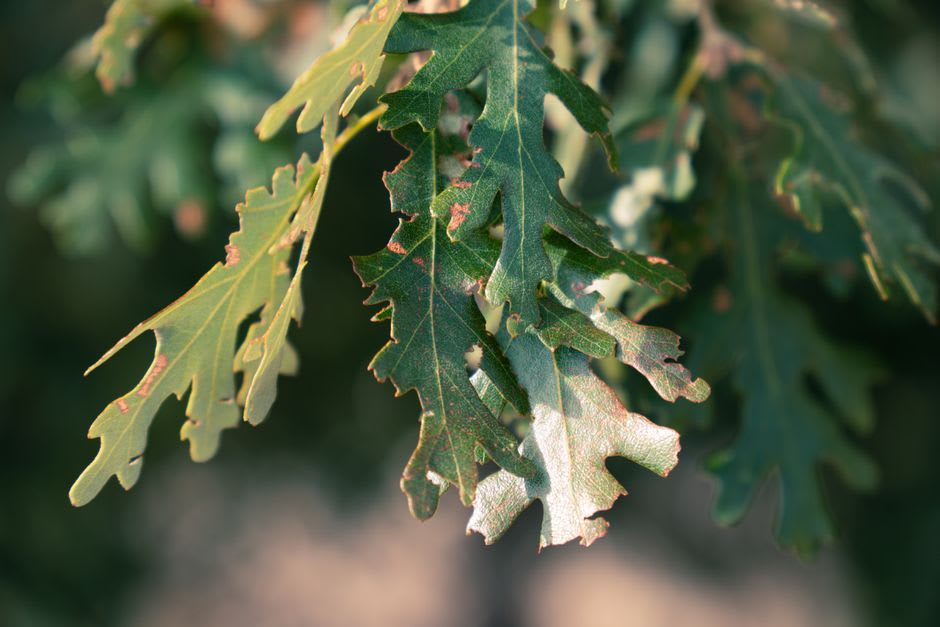
We ended the visit sitting on a bench near the levee, watching the light change on the Mississippi side of the property, neither of us saying much. Vacherie isn’t a big detour from New Orleans, maybe an hour if traffic’s kind, but give yourself the whole afternoon. You’ll want it.
When to go: I’d steer you toward fall or winter — Louisiana summer heat and humidity turn even a short walk under those oaks into an ordeal, and this is a place you want to linger in, not rush through.
Keep exploring
More from Louisiana
 louisiana
 River Road
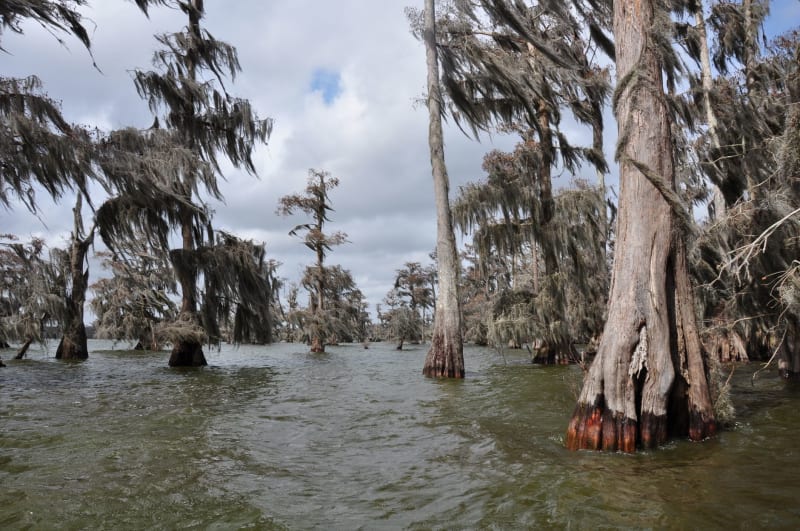
A corridor of plantation houses, live oak canopies, and the invisible Mississippi, where three hundred years of Louisiana history press against each other in a narrow strip of land.
Explore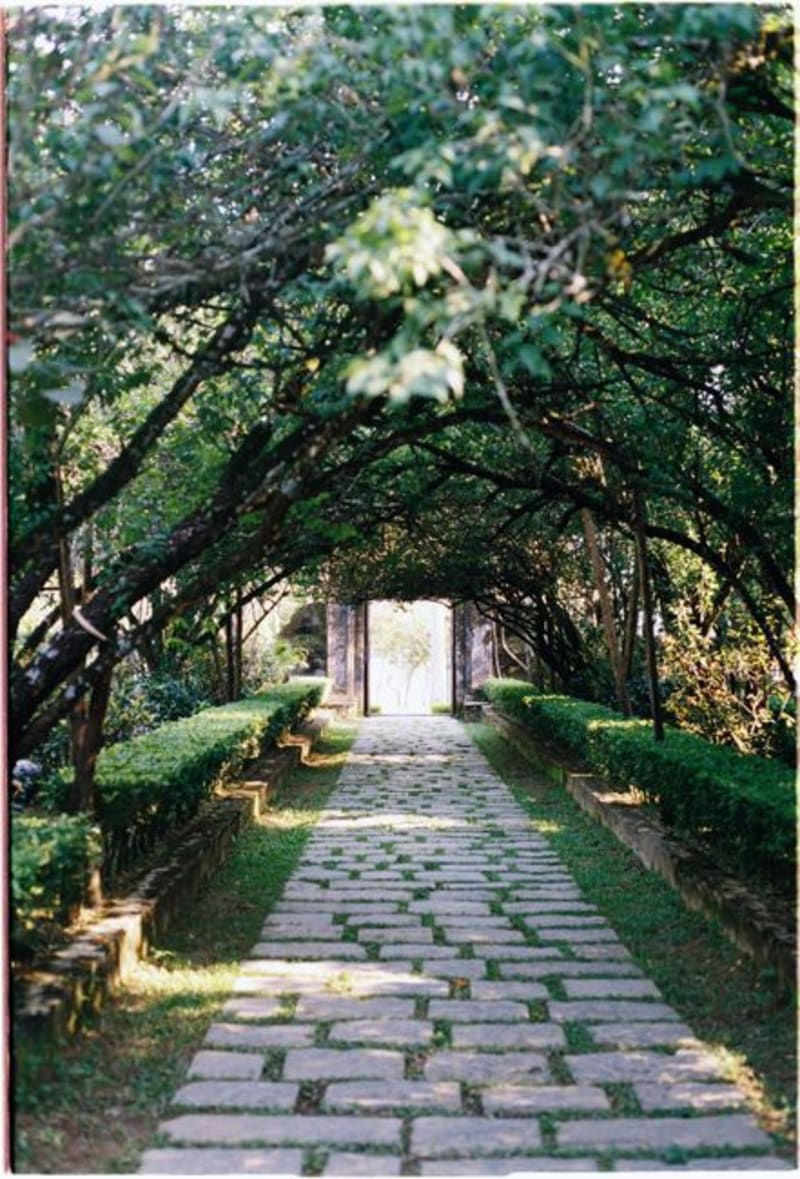 louisiana
 St. Francisville
A bluff-top town above the Mississippi where formal gardens, Audubon's birds, and a Civil War truce still linger in the air.
Explore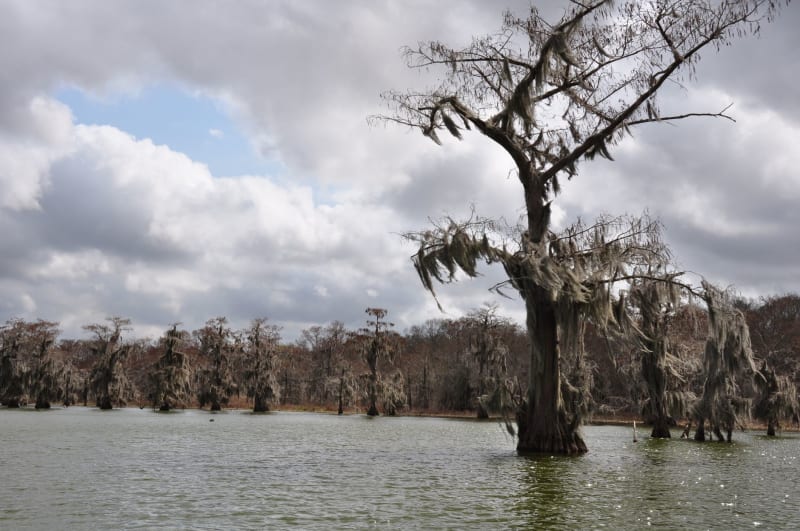 louisiana
 Tremé
The oldest African American neighborhood in the United States invented jazz and still plays it for an audience of twenty on a Wednesday night.
Explore louisiana
 Atchafalaya Basin
North America's largest swamp, where the cypress trees are older than the country and the alligators regard your boat with a detachment that is both reassuring and not.
Explore louisiana
 Avery Island
A salt-dome island in the bayou country that is half pepper-sauce factory, half jungle garden, and entirely strange in the best way.
Explore louisiana
 Bayou Teche
A 125-mile corridor of slow brown water through Acadian country where the names on mailboxes are French and nobody's in any particular hurry.
Explore