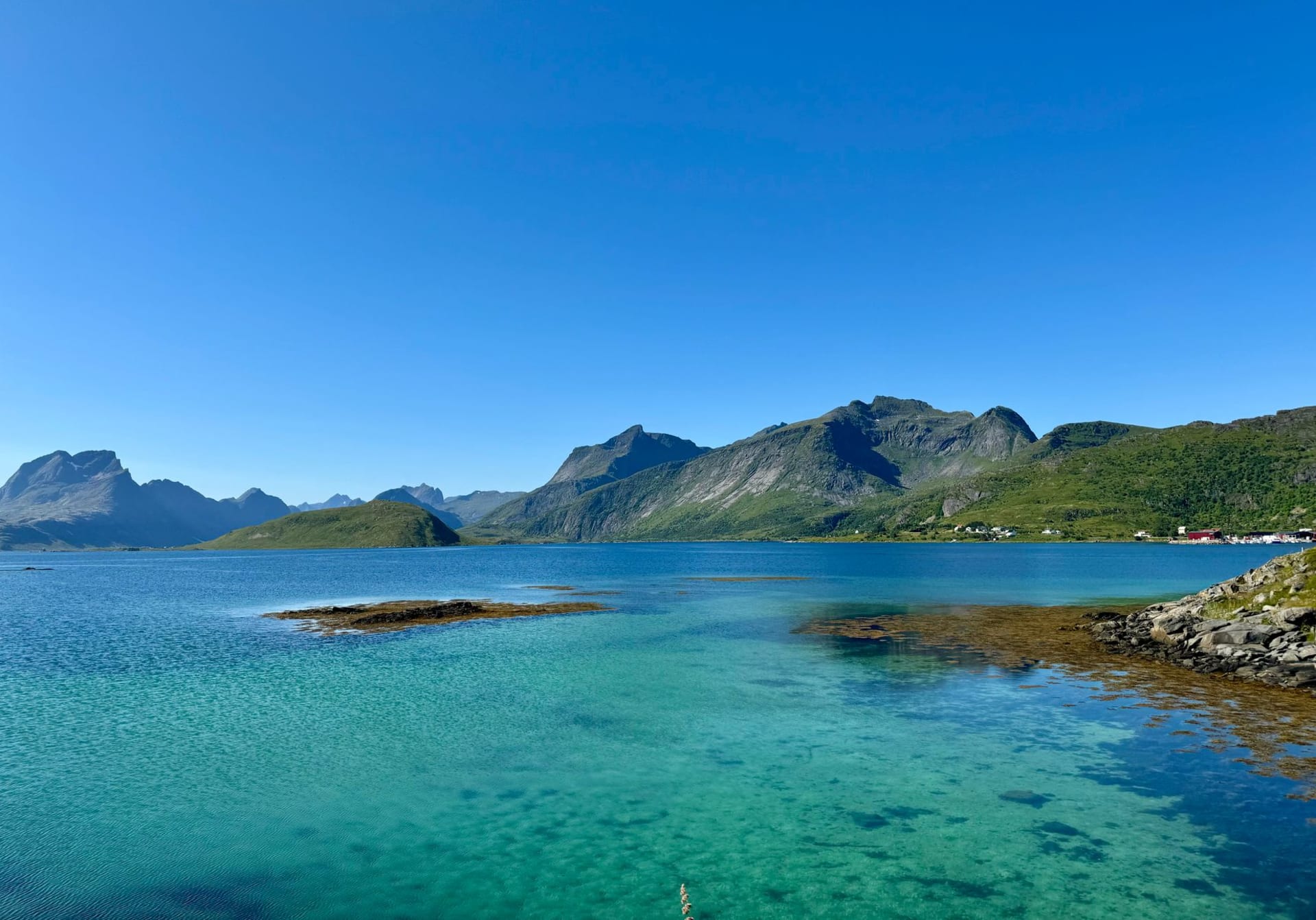
Reine
"Reine is the rare place that looks exactly like its photographs — and somehow that makes it more unsettling, not less."
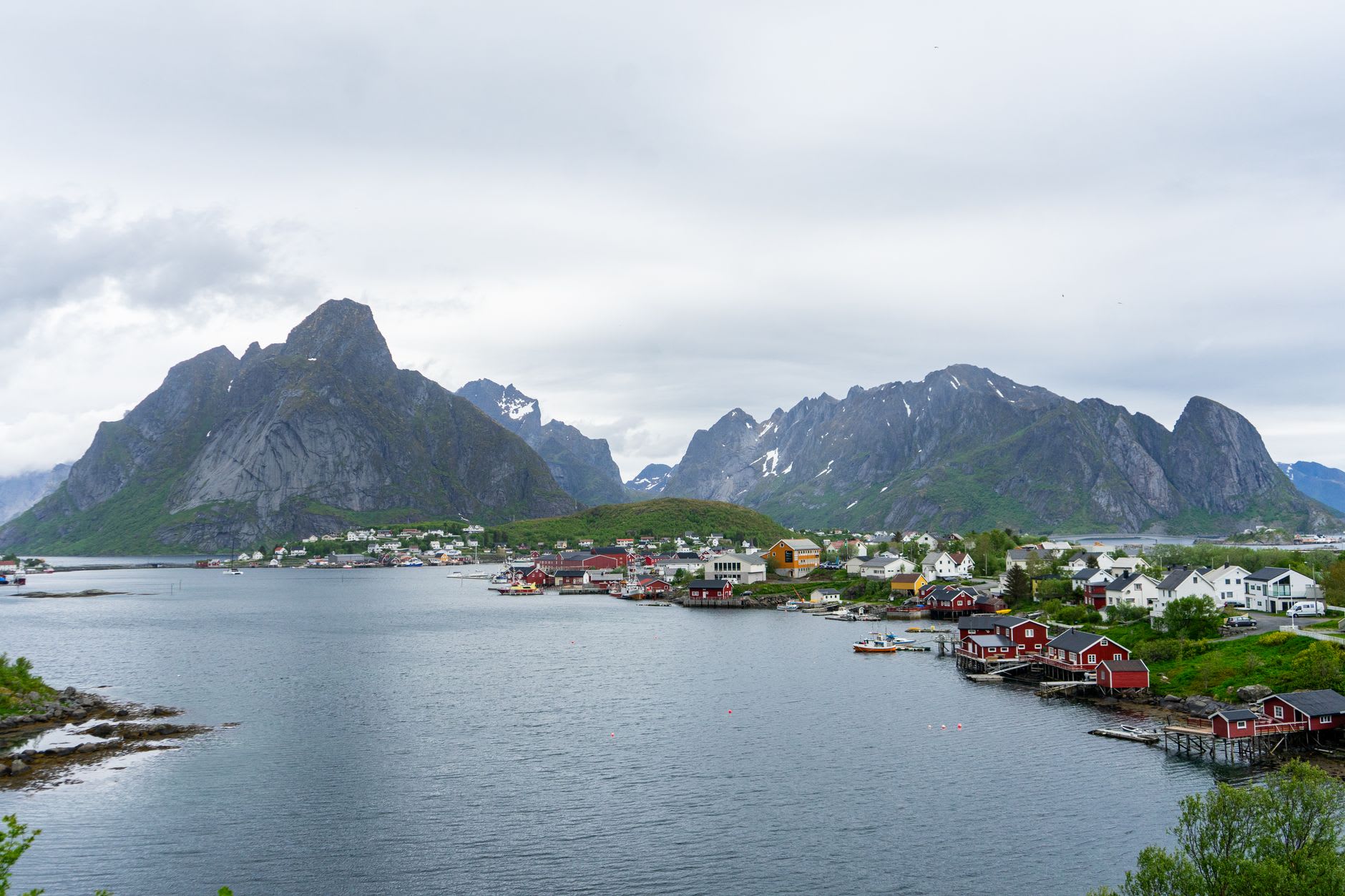
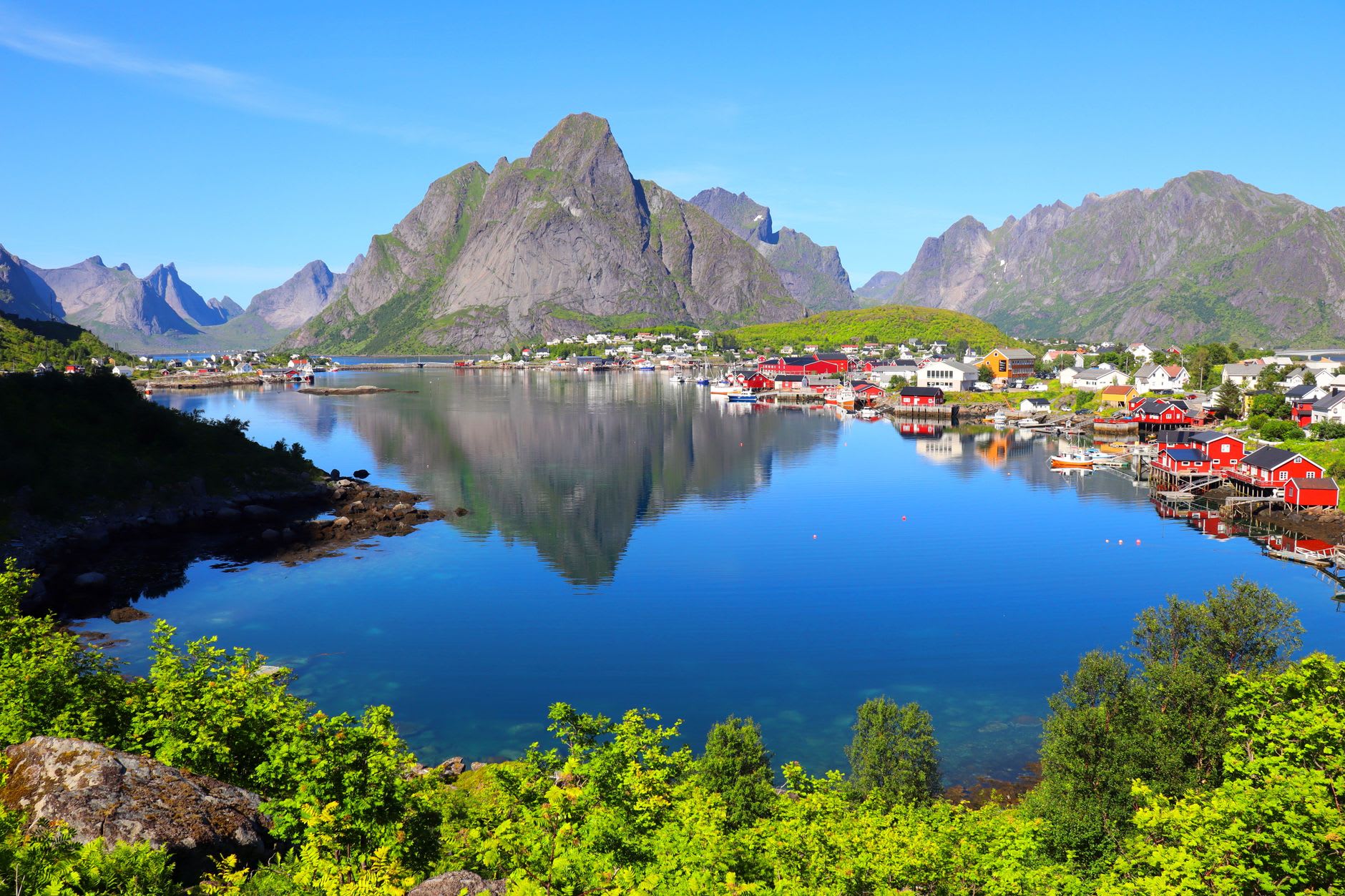
I drove into Reine in the hour before dusk on a Tuesday in March, which meant I had the place almost entirely to myself. The peaks were wrapped in low cloud, the fjord below a deep pewter grey, and the rorbu — those squat, vermillion-painted fishing huts on stilts above the water — glowed against the stone like something lit from within. I parked the car and stood there for a long time doing nothing in particular. This is what Reine does to you.
The village itself is tiny. A handful of year-round residents, a cluster of houses along the water, the dock where the boat comes and goes. What Reine lacks in size it compensates for so thoroughly in setting that all normal categories of evaluation break down. The mountains behind the village rise in a series of saw-toothed ridges that look architecturally improbable — you keep waiting for physics to reassert itself and for one of them to topple. They never do.
I ate stockfish stew at a small restaurant with four tables and a wood stove burning hard against the cold. The fish had been dried on wooden racks and then reconstituted — a process that takes days — and the result was something dense and oceanic, served with potatoes and a broth that tasted like the sea itself had been reduced to its essence. The woman who served me had lived here her entire life. She told me the summer tourists came in their thousands and that she understood it, but that the people who came in February and March were the ones she liked best. “They come for the real thing,” she said. I thought about that for a long time after I paid the bill.
The hike up to Reinebringen — the ridge that overlooks the village from above — takes about an hour on wooden steps installed to stop the trail eroding further. At the top, the whole archipelago spreads out below you: islands and peninsulas and causeways stretching west into the Norwegian Sea, water glinting between them, the rorbu reduced to small red dots far below. I went up in partial cloud and came back down in full sun. This is how Lofoten works: the weather changes faster than you can plan for it, and the best thing to do is accept it entirely, go up anyway, and let the mountain decide what it will show you.
When to go: March and April hit the sweet spot — stockfish hangs on its wooden racks, snow still caps the peaks, and the crowds have not yet arrived. February adds the aurora window but brings colder temperatures and shorter daylight. Summer brings midnight sun and warmth at the cost of tourist density; for Reine specifically, the high season crowds compress the narrow village considerably.