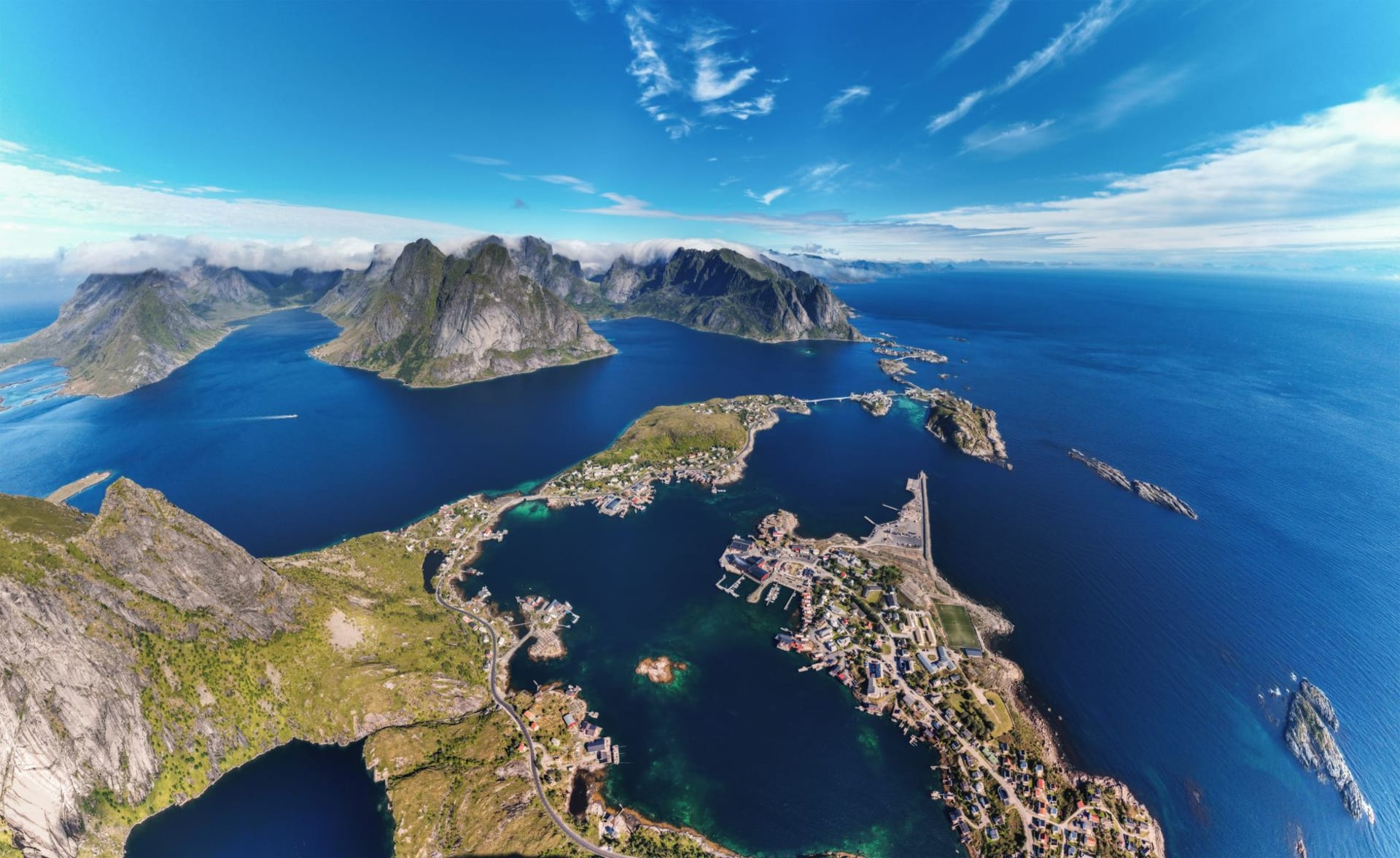
Å i Lofoten
"The road ends here, the sea begins here, and for a few winter days I had the whole ridiculous beauty of it entirely to myself."
The E10 highway ends at Å. Not at a roundabout, not at a ferry terminal, not at a proper car park — it just tapers out into a small gravel space beside a cluster of yellow and red buildings pressed up against a cliff, the Norwegian Sea churning below. When I arrived in late February, there were two other cars in that lot. I sat in mine for a moment with the engine off, listening to the wind work against the windows, and felt the particular satisfaction of having driven all the way to the end of something.
Å — pronounced like the English “oh” — is not merely the smallest letter-name of any settlement I have visited. It is also one of the best-preserved fishing villages in Norway, a collection of nineteenth-century wooden buildings that look very much as they did when the cod trade was at its height. The Norwegian Fishing Village Museum occupies several of these buildings, including a restored boathouse, a bakery that still operates, and a stockfish production facility where they will explain the drying process with a thoroughness that you find either riveting or overwhelming depending on your relationship with maritime history. I found it riveting. The smell of dried cod permeated everything — the air, my jacket, my hair for days afterward.
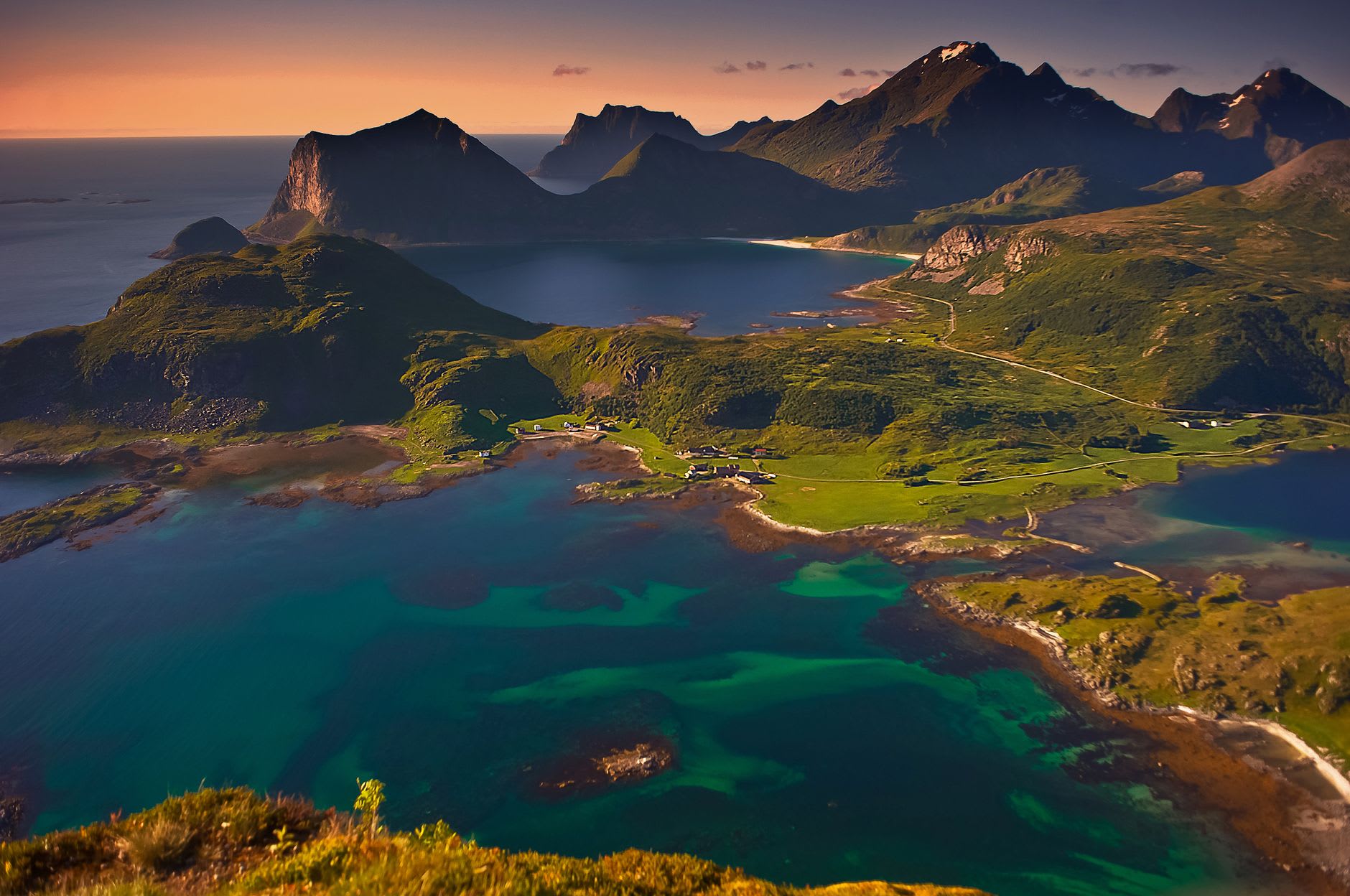
The bakery in the museum complex makes bread in an old stone oven and sells it at a counter staffed by a woman in period dress who was, despite the costume, entirely straightforward about which loaves were fresh that morning. I bought a sourdough that came out warm and ate it standing at the harbour wall with the cold coming off the water. There are few better lunches in Lofoten, and this one costs almost nothing by Norwegian standards.
What Å does that Reine does not is give you genuine solitude, even in the warmer months. Most visitors drive to Reine, photograph it, and turn around. They do not continue the final fourteen kilometres to the end of the road. The result is that Å carries a quality of earned quiet — the kind that comes from being at the edge of something, geographically and psychologically.

In the evenings, if you are staying overnight — and you should stay overnight, in one of the old rorbu converted into simple accommodation — the light in late winter is extraordinary. The sunset comes from the southwest over open water, which means there is nothing to interrupt it. On my last evening I stood at the harbour for an hour while the sky went through sequences of orange and rose and eventually a deep, cold violet, and not one other person appeared. The sea continued doing what it was doing regardless.
When to go: February and March for snow, dramatic light, and the possibility of northern lights over the open western sea. The museum operates year-round but is most atmospheric in winter when the village is at its quietest. Summer brings midnight sun walking and access to the surrounding hiking trails without the iciness underfoot.