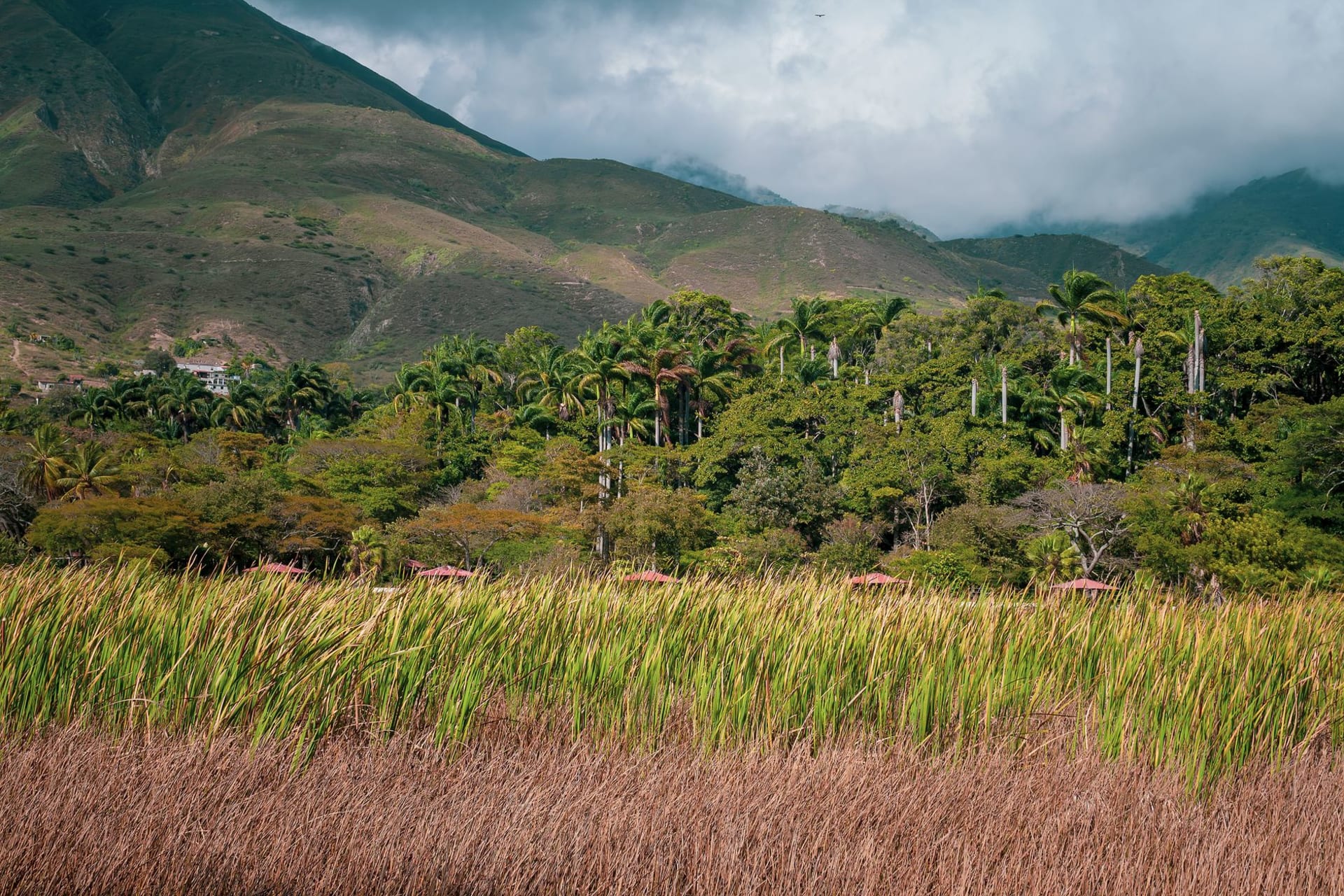
Valle de la Pascua
"A city that grew rich from oil and then learned to live without it — that kind of experience leaves marks that I find more interesting than prosperity."
Valle de la Pascua came up in a conversation I had with a Venezuelan ornithologist in Caracas who was listing the underrated corners of the Llanos. He said it with a slight rueful tone, the way people talk about things that deserve more attention than they receive. “Nobody goes there,” he said, “because it doesn’t have a famous hato. But the Guariquito runs through it and the birding in the gallery forest is as good as anywhere in Guárico.” He pulled out his phone and showed me a photograph of a sunbittern he had photographed on the riverbank there — a bird that carries a secret in its wings, the owl-eye markings visible only in flight, which I had been trying to see for years.
Valle de la Pascua is the largest city in Guárico state, sitting in the eastern Llanos about four hours east of Calabozo, and it has a history that reflects the complicated economic story of rural Venezuela. It grew rapidly in the twentieth century first as a cattle centre, then as a hub for the oil industry that operates across this region of eastern Venezuela. The petroleum infrastructure is visible on the roads in — pump jacks in the scrub, pipe sections stacked at the edge of fields, the occasional flare from a distant processing facility casting a glow against the night sky. The oil boom built a certain prosperity into the city’s bones, legible in the wider streets and the larger commercial buildings compared to other Llanos towns of similar population.
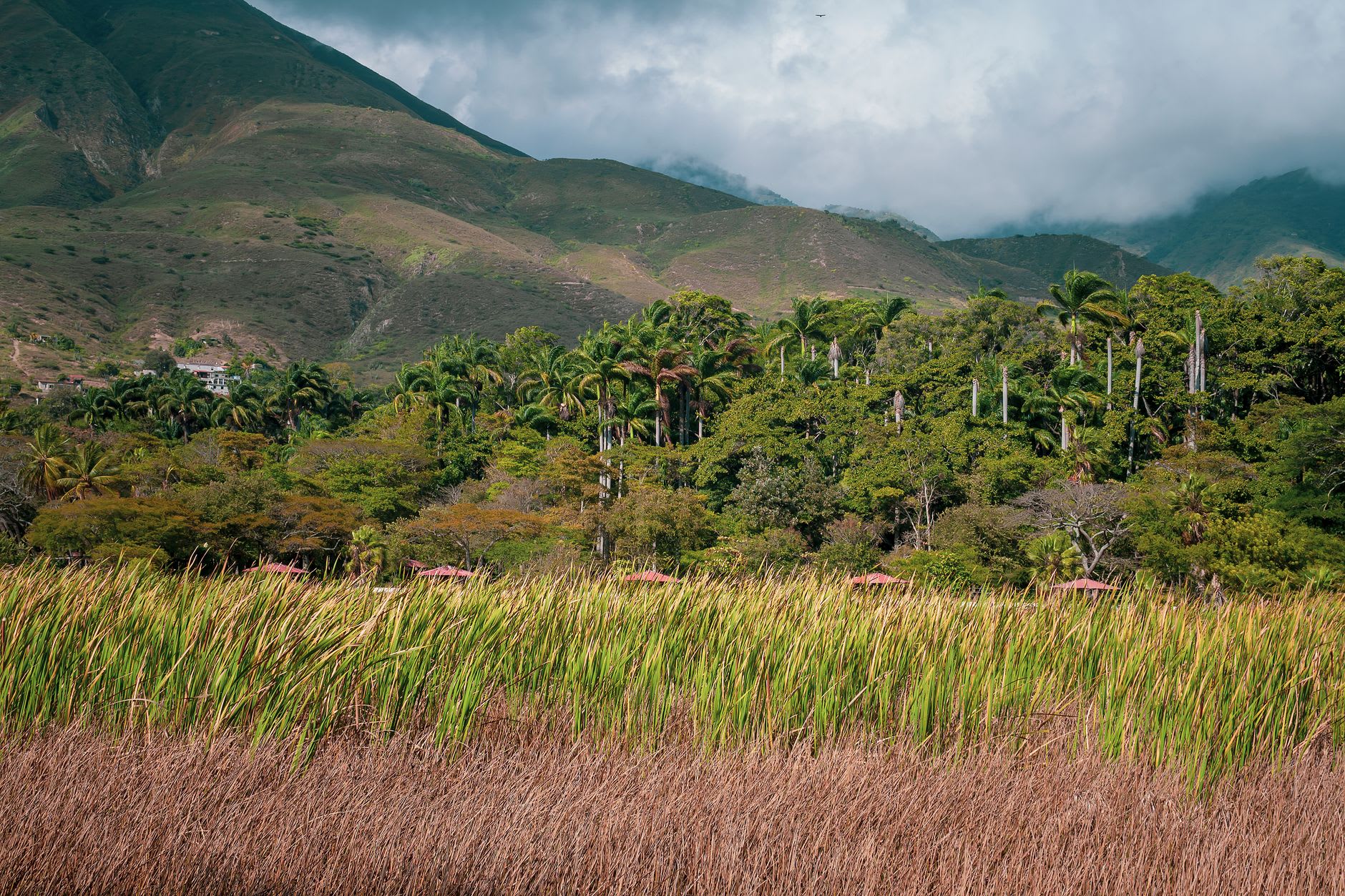
The Río Guariquito is the reason the ornithologist sent me here, and he was right. The river runs through gallery forest that provides habitat for species absent from the open savanna — sunbitterns, indeed, but also agami herons, which are among the most beautiful birds on the continent and nearly impossible to see in the open. The forest along the Guariquito is the kind of dense riparian growth that makes you understand why certain species evolved to be invisible: the light comes through in patches, the understorey is thick, and things can be standing two metres away from you and require patience before they reveal themselves. I spent a morning on the riverbank and came away with the sunbittern sighting I had been carrying around unpunched for years.
The city’s commercial centre has the energetic, functional character of a Venezuelan regional hub — markets, motorcycle traffic, restaurants that open early and close late, the particular background noise of a city that considers itself a centre rather than a periphery. The food in Valle de la Pascua reflects the eastern Llanos more than the Apure Llanos: slightly more fish, slightly different sauces, the cachapa — a thick sweet corn pancake — appearing more frequently than in the west, where the arepa is more dominant. I ate a cachapa one morning stuffed with hand-pulled white cheese at a stall beside the main market and it occupied me for forty-five minutes, which is probably more time than a corn pancake should require but felt entirely appropriate.
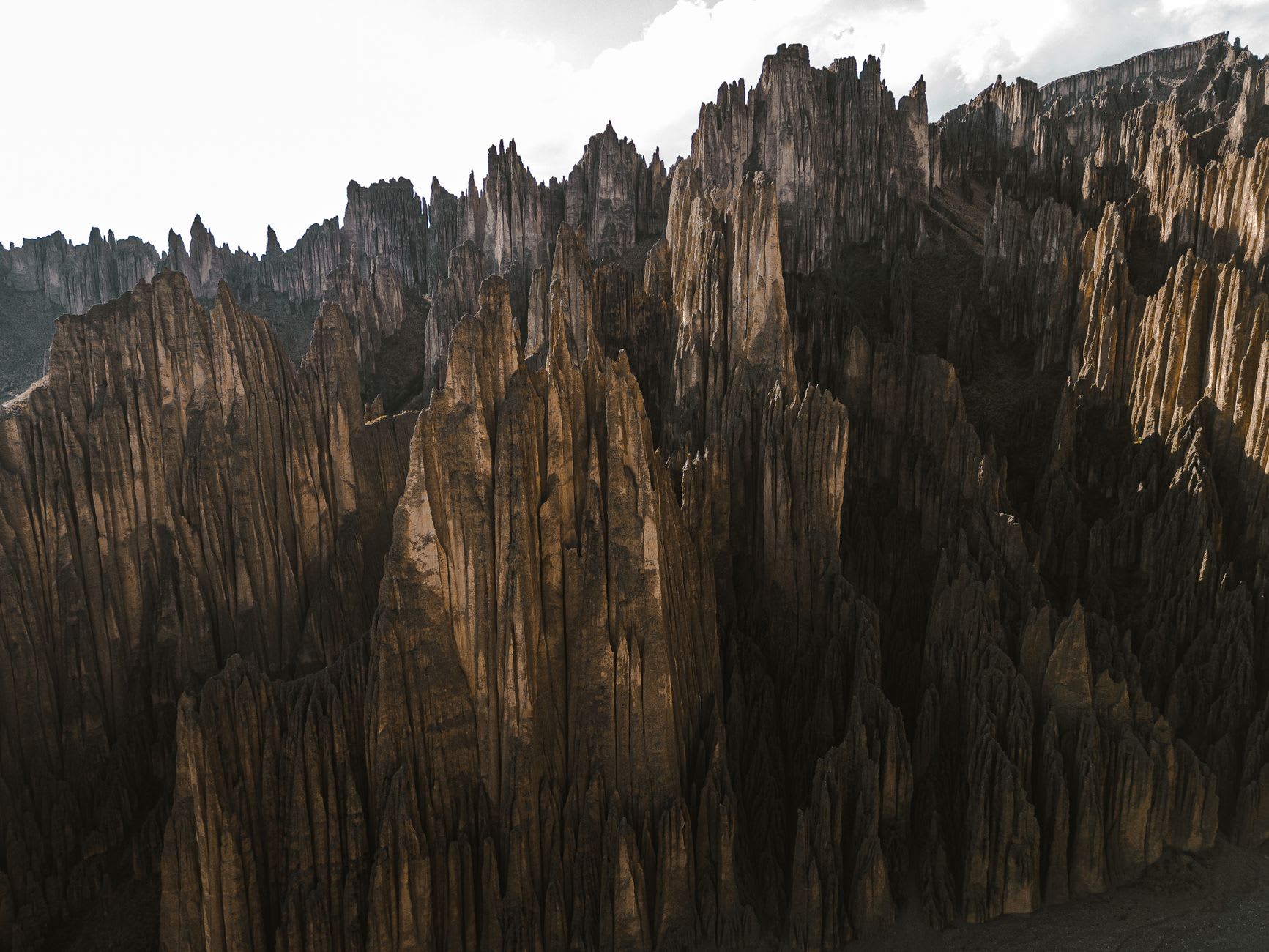
The surrounding countryside in the direction of the Orinoco — which flows to the south and east, defining the boundary of the Llanos in this direction — becomes wilder and less farmed as you move away from the city, opening into the kind of remote savanna that has not been significantly altered since Humboldt passed through the region in 1800. A drive toward El Sombrero in the late afternoon, when the light goes flat and golden and the wildlife moves from its midday hiding places, shows you what the eastern Llanos looked like before any of it was surveyed for oil.
When to go: November through February captures the transition from rainy to dry season — the Guariquito running at a productive level, the gallery forest still green, the savanna wildlife concentrated but not yet stressed. Valle de la Pascua is most useful as a base for the eastern Llanos and a corrective to the idea that the region begins and ends with the Apure hatos — the Guárico Llanos has its own voice, quieter and less famous, but worth listening to carefully.