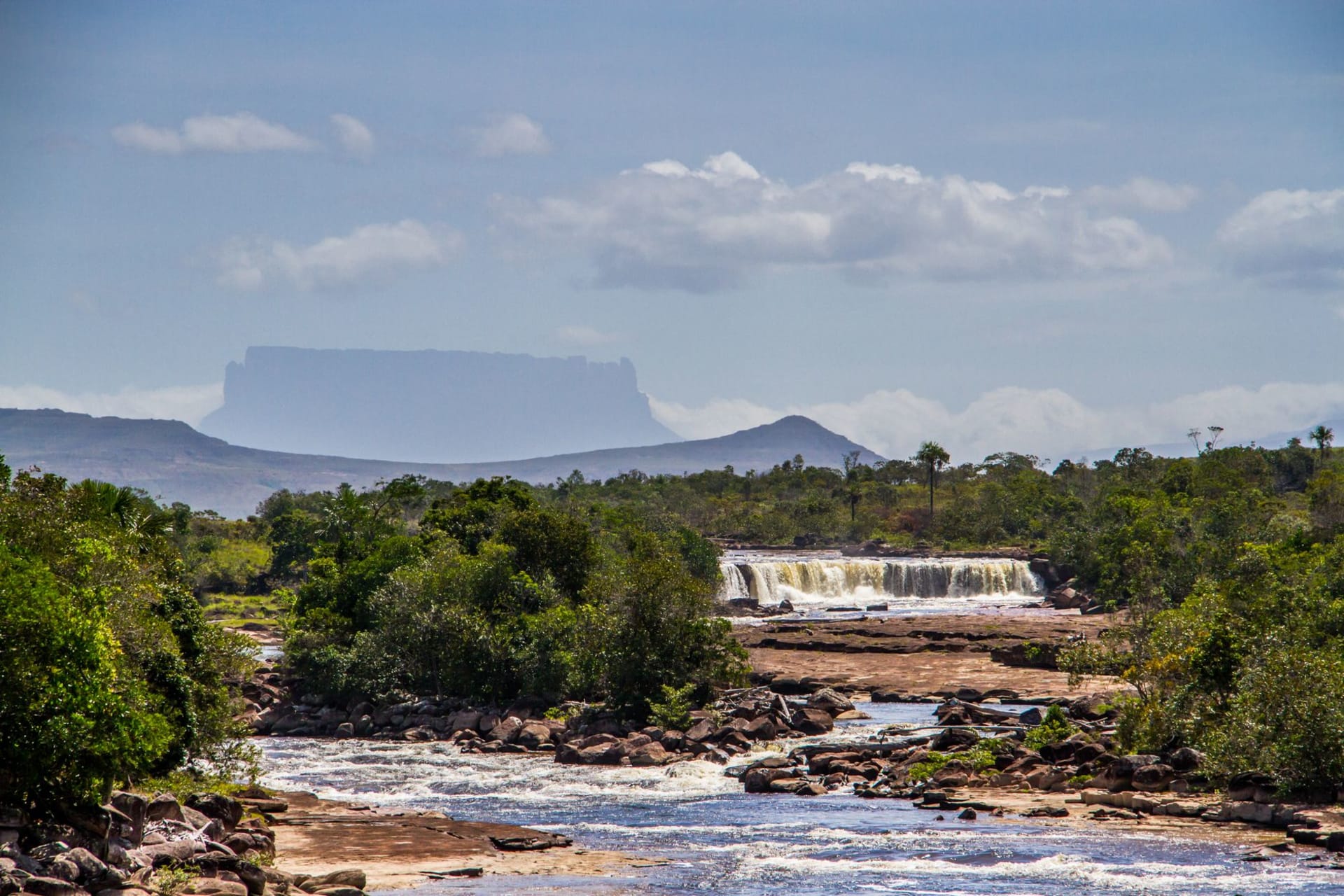
San Fernando de Apure
"Every city has a smell. San Fernando's is river mud and fried fish and the particular sweetness of overripe mango hitting the pavement."
I came into San Fernando de Apure from the north, crossing the bridg over the Apure River as the afternoon light turned the water the colour of milky coffee. The city spread out on the southern bank — low buildings, zinc rooftops, the spire of a church catching the last direct sun. A man on the bridge was fishing with a line dropped over the railing, watching the current without any urgency. Down below, a dugout canoe moved against the flow with a motor that sounded asthmatic but determined. It was exactly the kind of scene that makes you understand why people end up spending longer than they planned in places like this.
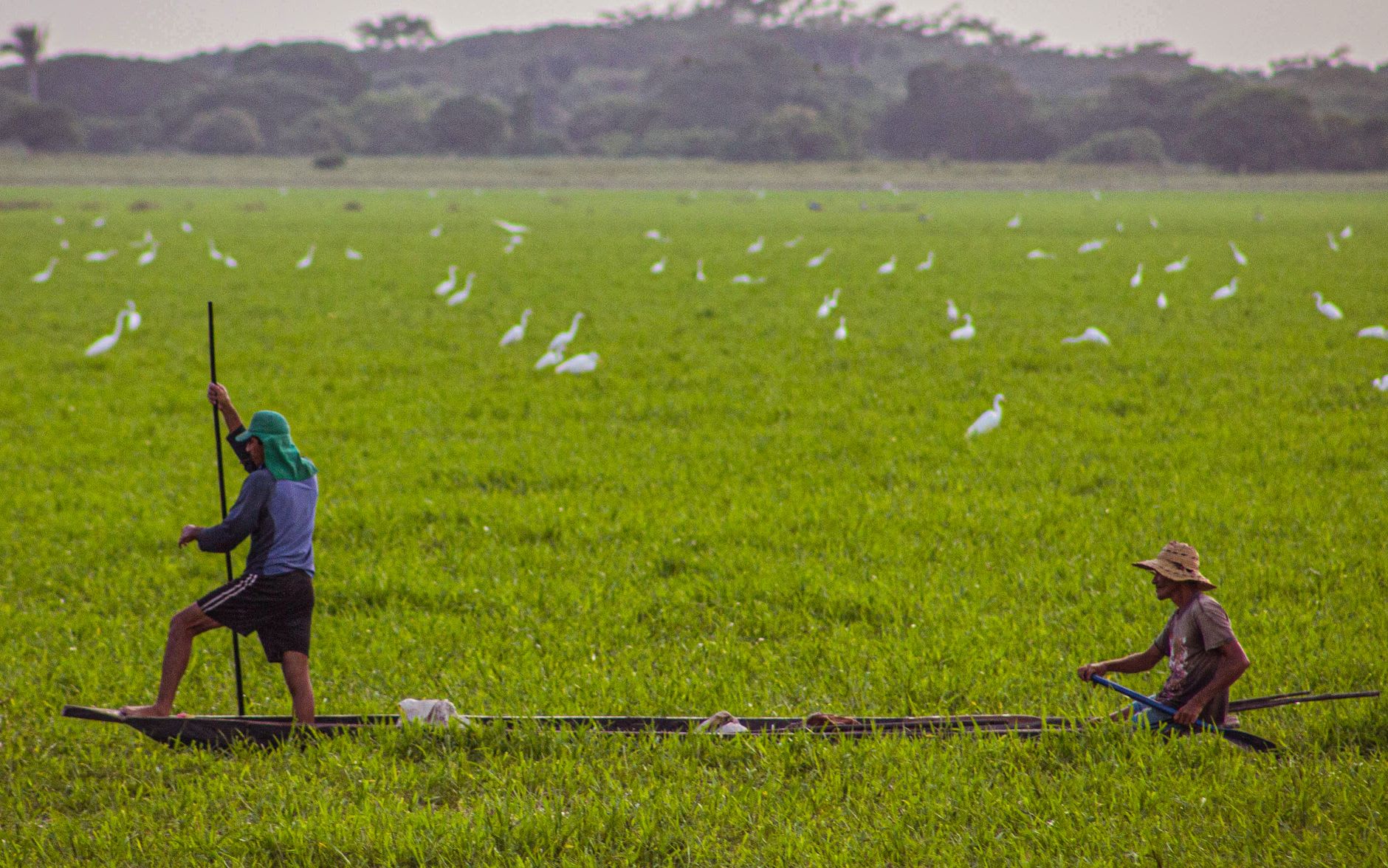
San Fernando is not a destination in the way that a European capital is a destination — there are no famous museums, no UNESCO sites, no restaurant that appears in international guides. What it has instead is the specific, unrepeatable atmosphere of a tropical river city that exists at the edge of a vast wilderness and has organized its entire life around that fact. The malecón — the riverside promenade — runs for several blocks along the Apure, wide enough for families to walk in the evenings when the heat finally relents by a few degrees. Old men sit on benches watching the river. Kids sell coconut water from a cart with a hand-painted sign. The fishermen return in the late afternoon and sell their catch — cachama, coporo, caribe — directly off the boats, and the smell of frying fish drifts through the streets until well past dark.
The market off Avenida Miranda is where the city’s character concentrates. It opens before dawn and sells everything the Llanos produces and needs: smoked meat hanging on hooks, saddles and riding gear next to stalls of dried herbs, enormous slabs of yellow cheese from the Llanos hatos, plastic buckets, machetes, live chickens in wooden crates. The women who run the produce stalls know everything and everyone and conduct their business with an authority that makes the men moving through the aisles seem slightly peripheral. I bought a mango there one morning that was so ripe and heavy it felt like a small animal in my hand, and I ate it over a drain outside because there was no dignified way to do it.
The heat in San Fernando deserves its own paragraph. This is not the romantic heat of a Mediterranean summer or the fresh heat of high altitude. This is the full-weight, no-mercy heat of the inland tropics at ten degrees north of the equator — the kind that turns your shirt to wet paper by nine in the morning and makes the idea of a hammock with a ceiling fan the most coherent ambition available. The locals manage this with decades of practice: moving slowly, taking shade as a serious matter, eating cold food when possible, and accepting that certain things simply will not happen between midday and four in the afternoon.
The city functions primarily as a logistics hub for the Llanos — the place where you hire a driver, stock up on provisions, change money, and fix whatever the road broke on your vehicle. But it repays a slow afternoon walk along the waterfront, where the light on the river in the hour before sunset turns everything briefly cinematic, and where the sounds of the city — salsa from a window, a motorbike backfiring, children playing somewhere on a side street — layer over the river’s constant murmur into something that feels genuinely alive.
When to go: San Fernando is year-round in the sense that it functions regardless of season, but December through March is when you’ll want to use it as a base for Llanos wildlife excursions. The heat is extreme in both seasons; the dry season simply makes the roads beyond the city passable. Allow a full day rather than treating the city as a drive-through — it rewards patience in the way that only overlooked cities do.