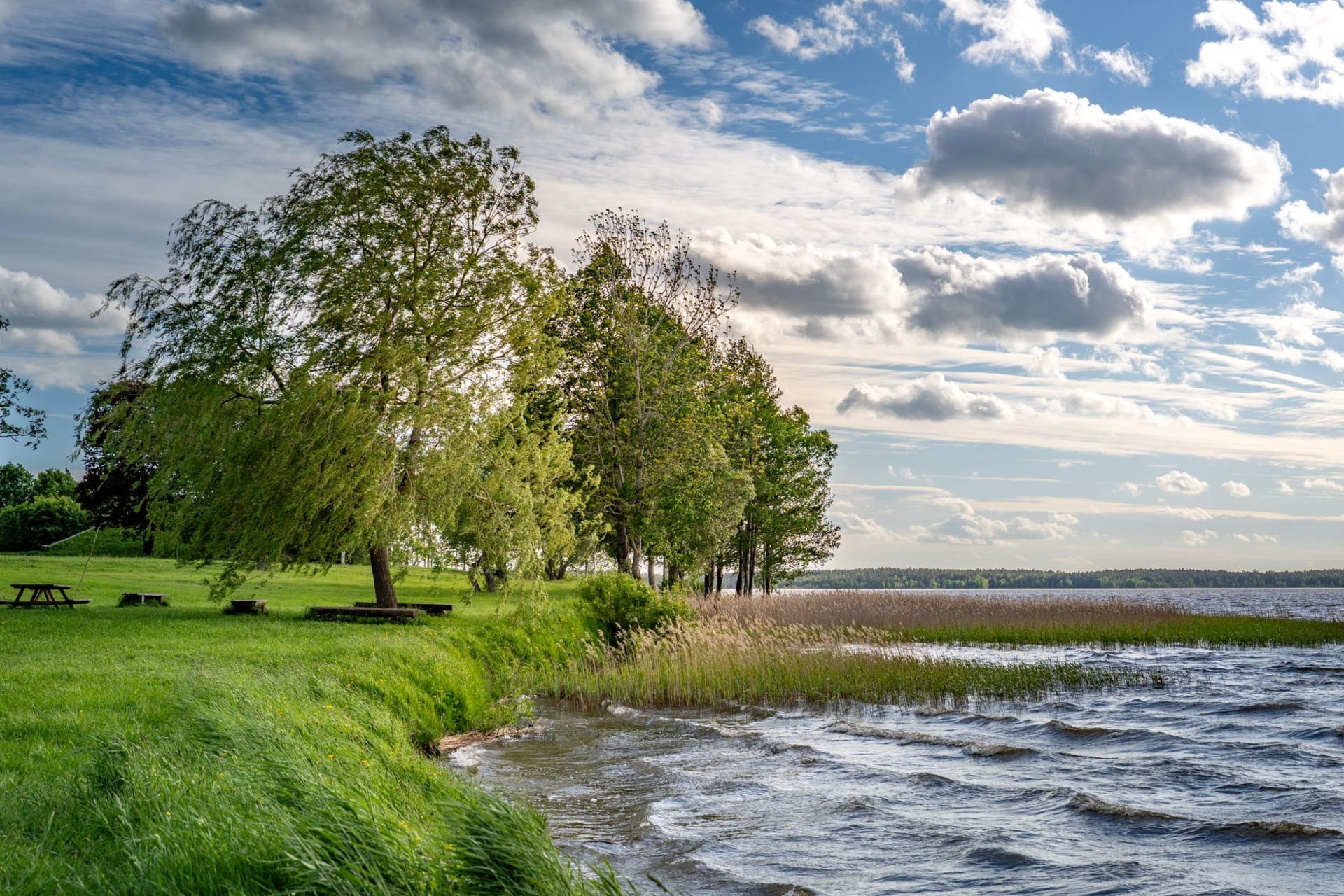
Aukštaitija National Park
"Three hours into the canoe route and I understood why Lithuanians don't feel the need to explain this place. It explains itself."
Getting to Aukštaitija National Park without a car is a commitment, and I want to say that up front, because the commitment is worth making. A bus from Vilnius to Ignalina, the gateway town, then a shorter bus or arranged transfer to Palūšė, the small lakeside village at the park’s center. By the time I arrived, having been moving for most of the day, I was ready to sit still. The lake was right there — Lūšiai, one of the park’s main lakes, calm and dark and reflecting a sky that couldn’t decide between grey and blue. I rented a canoe from the equipment shed near the dock for the following morning and went to find my bed in a wooden farmhouse.
The canoe routes are the spine of the park experience. Aukštaitija protects over a thousand square kilometers of forest and nearly three hundred lakes, and the lakes connect to each other through rivers and narrow passages, meaning you can paddle from lake to lake for days without repeating yourself. On my first morning I launched before seven, when the mist was still sitting low on the water and the only sounds were paddles and the occasional heron lifting from the reeds. The route passed through passages so narrow the trees on either bank touched overhead, then opened onto lakes a kilometer wide. I stopped once on a wooden dock someone had left at the edge of a pine forest, made instant coffee on a small stove, and sat for forty minutes without moving.
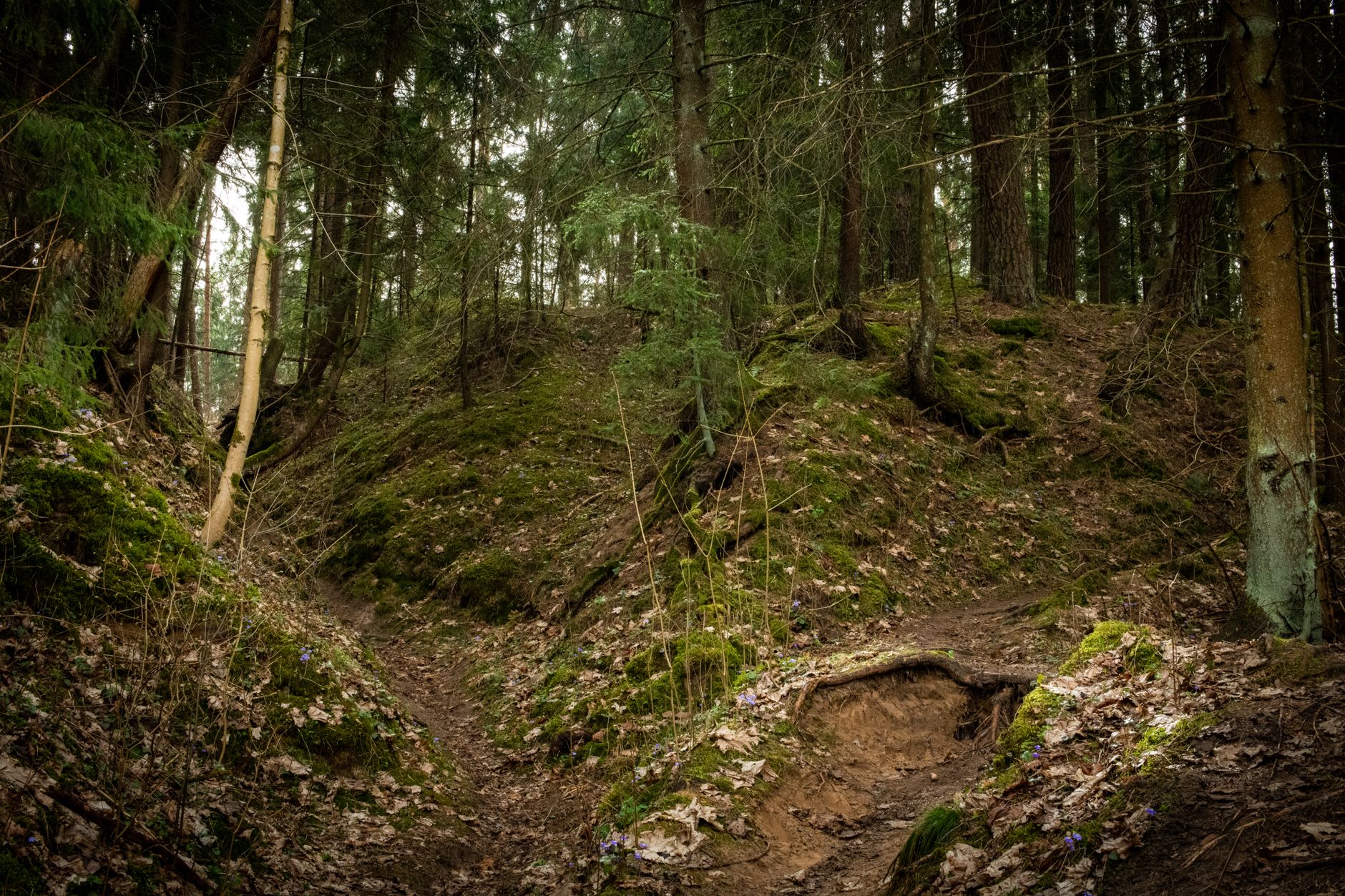
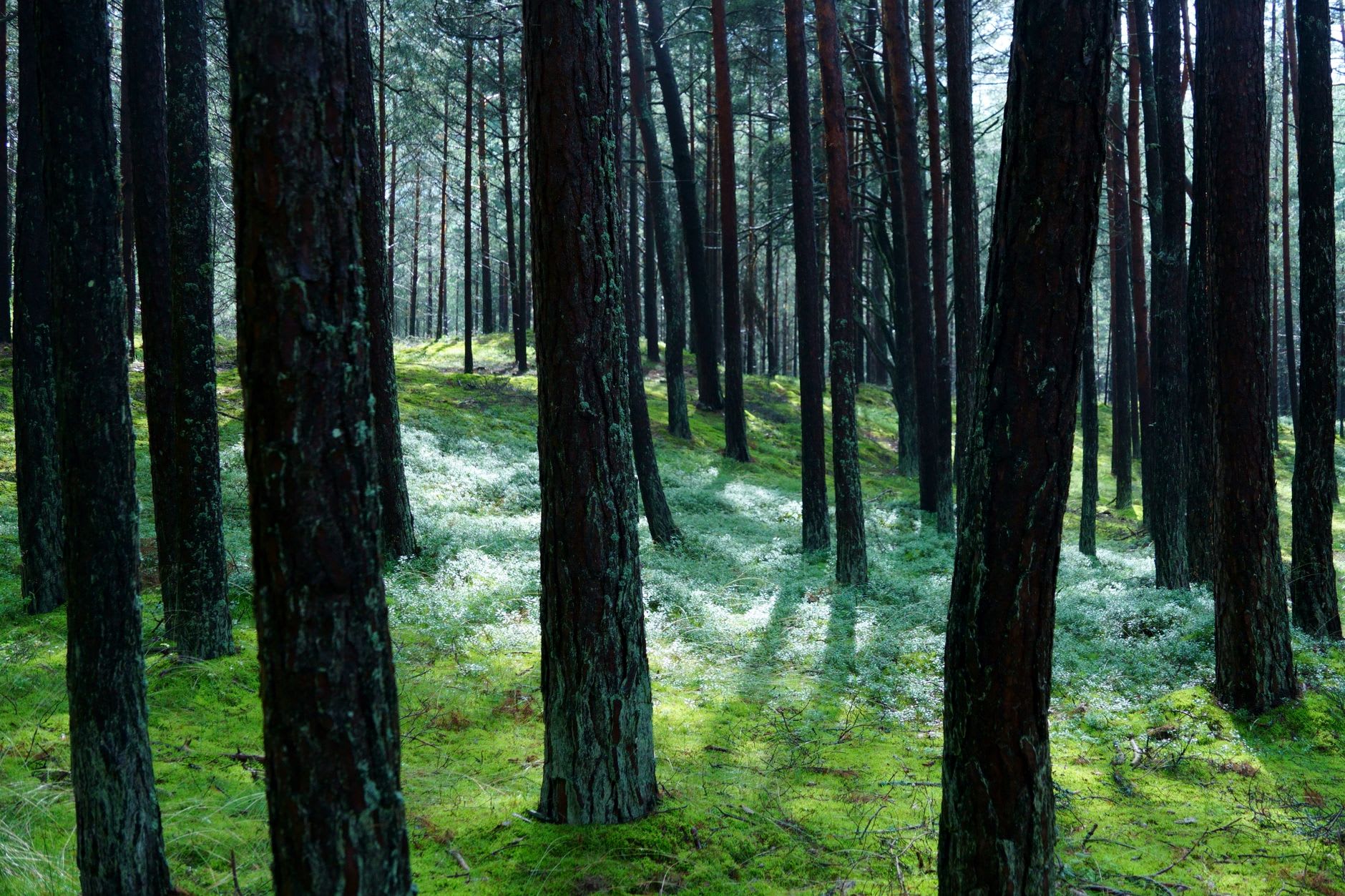
The forest itself is the other essential thing. Aukštaitija is one of the few places in Lithuania where the old-growth pine and mixed forest still stands in significant tracts, and moving through it on the marked trails has a quality of density and silence that the word forest only partially captures. The mushroom season in September brings Lithuanians into the park in numbers — whole families, armed with baskets, moving through the undergrowth with an expertise and purpose that made me feel like a tourist in the most fundamental sense. I followed a woman who seemed to know exactly where she was going for about ten minutes before she turned and explained, patiently, in very limited English, that I was going the wrong way.
There are beekeeping villages inside the park — Stripeikiai has an open-air museum dedicated entirely to traditional Lithuanian bee-keeping, with hollow log hives and wooden bee sculptures and a beekeeper who offered me honey straight from a comb cut with a small knife. The honey tasted of pine and heather and something deeper I couldn’t name, and I ate more of it than was probably polite.
At night the park is genuinely dark in a way that is increasingly rare. From the dock at Palūšė at eleven in the evening, the stars were clear in a way I have not seen since camping in the Sonoran Desert, and the lake surface was still enough that they reflected below as well. A fisherman came out in a rowboat at midnight without a light, moving slowly and quietly, and for a while I could track him only by the small sounds of the oars.
When to go: June through August for canoeing in warm weather and long evenings on the lakes. September is exceptional — mushroom season, golden light on the pines, fewer people, and the lakes take on an autumn darkness that feels almost sacred. May works for birdwatching and solitude but water temperatures are still very cold. Winter ski trails run through the park, but the canoe routes are frozen.