Tannourine
"Cedars this old don't need you to be impressed. They just keep standing, which somehow makes it worse."
A cedar reserve where thousand-year-old trees stand in near-silence, and a waterfall that only exists for a few weeks each spring.
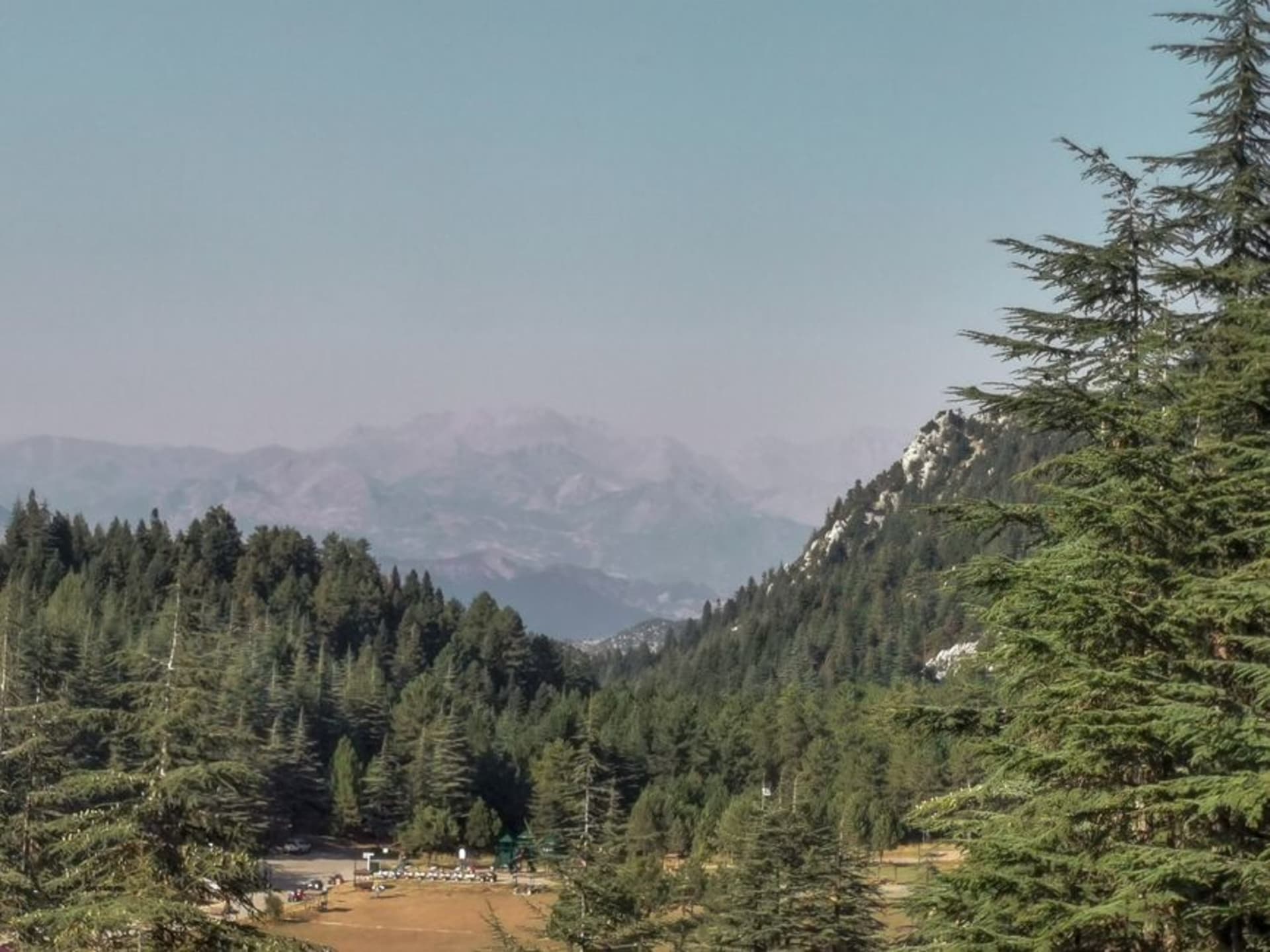
Everyone talks about the Cedars of God near Bcharre, and for good reason, but Tannourine’s cedar reserve gets a fraction of the visitors while holding some of the oldest and most untouched stands of Lebanon cedar left anywhere in the country — trees that predate the Roman Empire, growing in a protected forest where the silence is thick enough that I found myself instinctively lowering my voice, the way you do in a library or a church. I walked the reserve’s marked trail alone on a weekday in late spring, past trunks so wide that three people linking hands couldn’t circle them, their branches spread flat and layered like something drawn by an architect rather than grown by chance.
What most people don’t know about Tannourine, and the reason I’d actually come, is a waterfall a short drive from the cedar reserve that exists for only a matter of weeks each year. Snowmelt from the surrounding peaks pours through a limestone gorge and drops nearly thirty meters into a plunge pool, but by early summer the flow dries to almost nothing and the falls essentially disappear until the following spring. I timed my visit for early April and found a thundering column of white water crashing into a pool ringed with wildflowers, a handful of local families having a picnic on the rocks nearby as if this were an entirely ordinary Tuesday phenomenon.
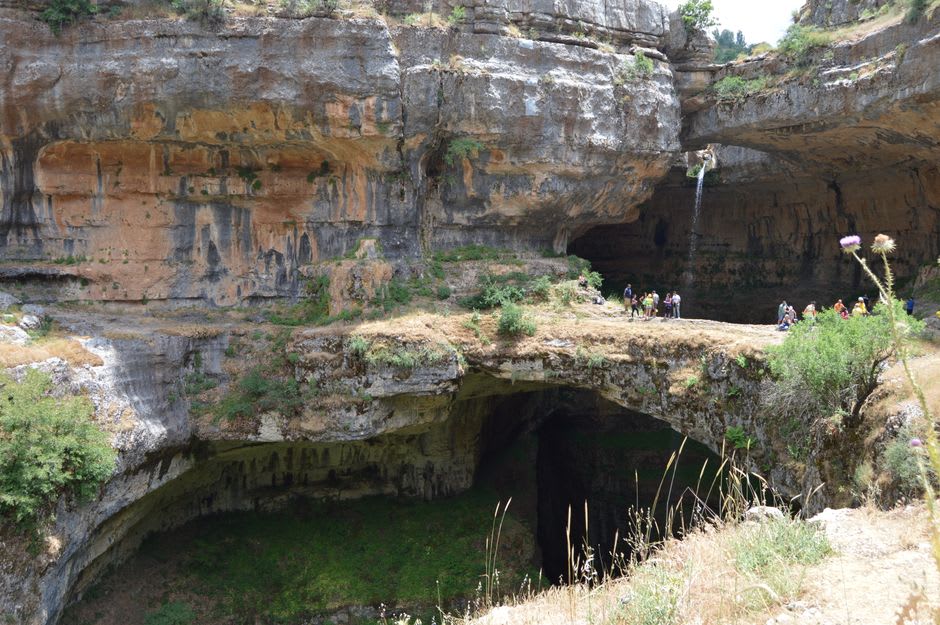
I hiked up alongside the gorge afterward for a better vantage point, the cedar forest visible on the ridge above and the sound of the falls fading in and out with the wind, and had one of those rare moments outdoors where I genuinely stopped checking my phone for close to an hour without deciding to.
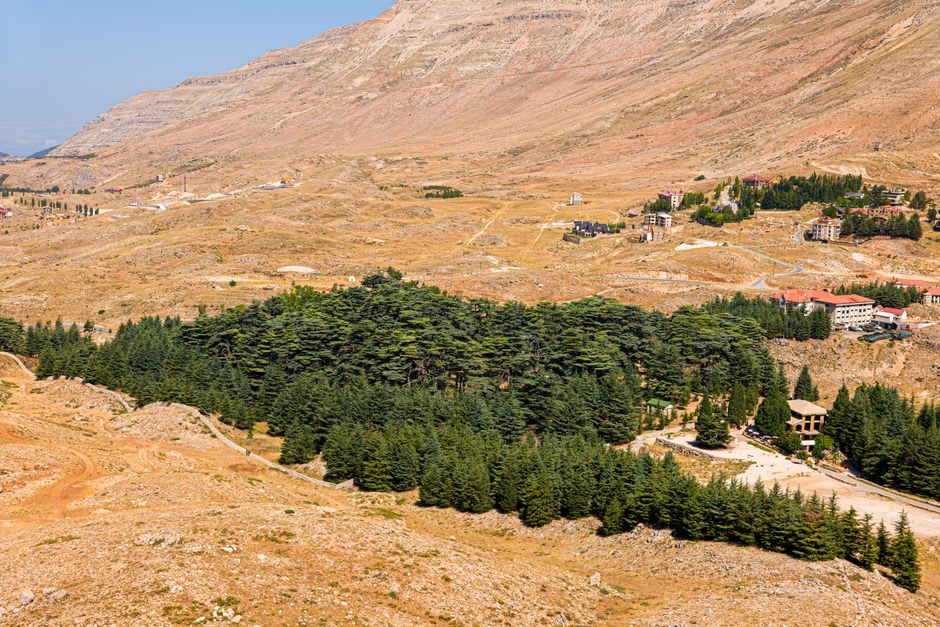
When to go: Late March through April for the waterfall at full force and wildflowers in bloom. The cedar reserve itself is worth visiting nearly year-round, though snow can close upper trails from December to February.