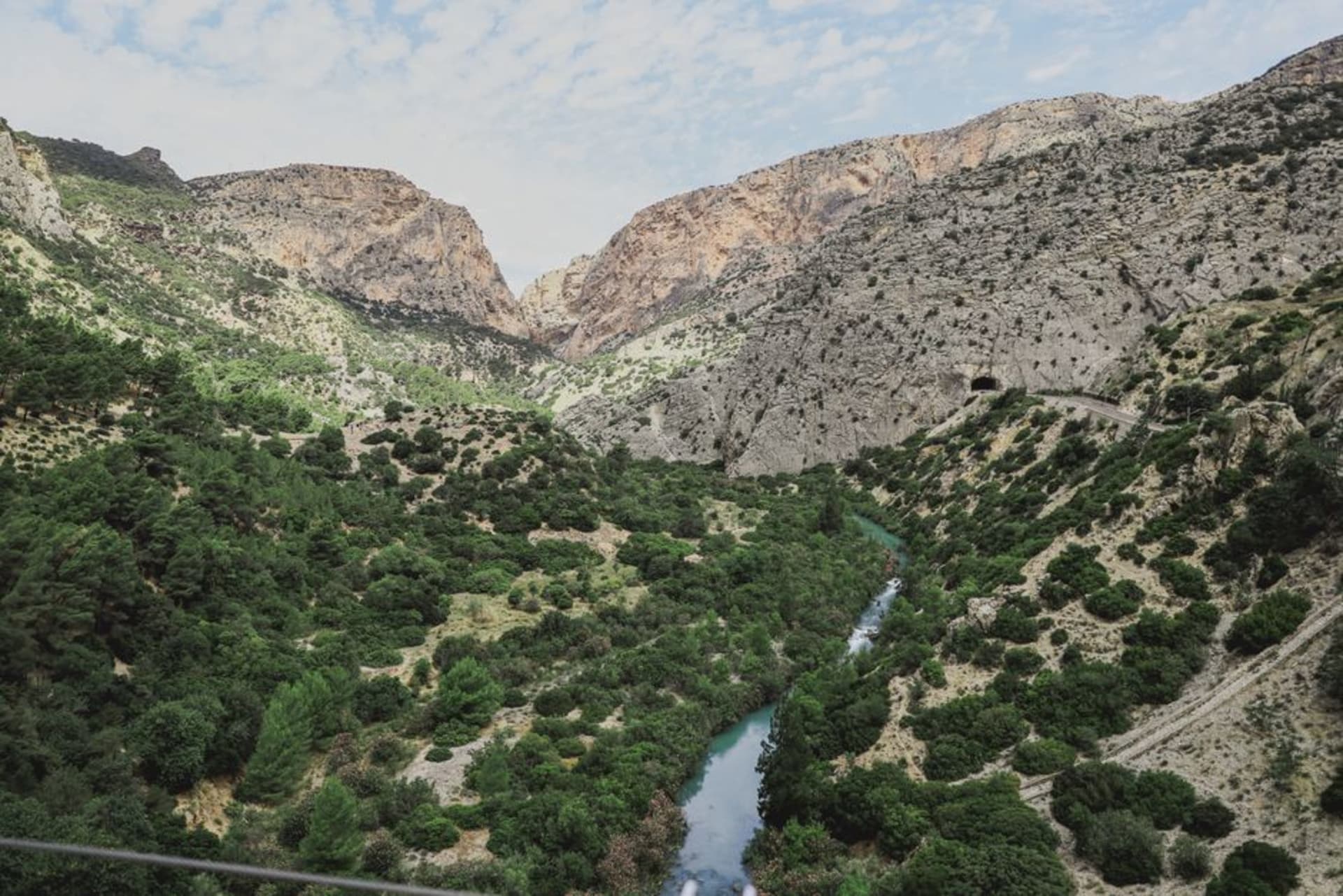
Qadisha Valley
"The Holy Valley, they call it, and after one afternoon on its cliffs I stopped arguing with the name."
A gorge so deep that hermit monks carved chapels straight into its cliff faces, and a trail that keeps every promise its name implies.
The Qadisha Valley cuts a nearly thousand-meter-deep gorge through the mountains below Bcharre, and the first thing that hits you isn’t the history — it’s the sheer vertical scale of it. Standing at one of the lookout points along the ridge road, I watched the valley fall away in terraced greens and grays toward a river I could hear but barely see, monastery roofs catching light on ledges that looked, from that distance, impossibly precarious.
I hiked a section of the valley floor trail starting near Hawqa, following the river through walnut and fig trees planted by generations of monks and hermits who chose this gorge specifically because it was difficult to reach — which, as UNESCO’s listing of it as the “Holy Valley” makes clear, is exactly why it became one of the earliest and most important refuges of monastic Christianity in the Middle East. Deir Qannoubine, a monastery built into the rock face itself, has been continuously used since at least the 4th century, and served for a time as the seat of the Maronite patriarchate when the community needed somewhere the outside world couldn’t easily reach.
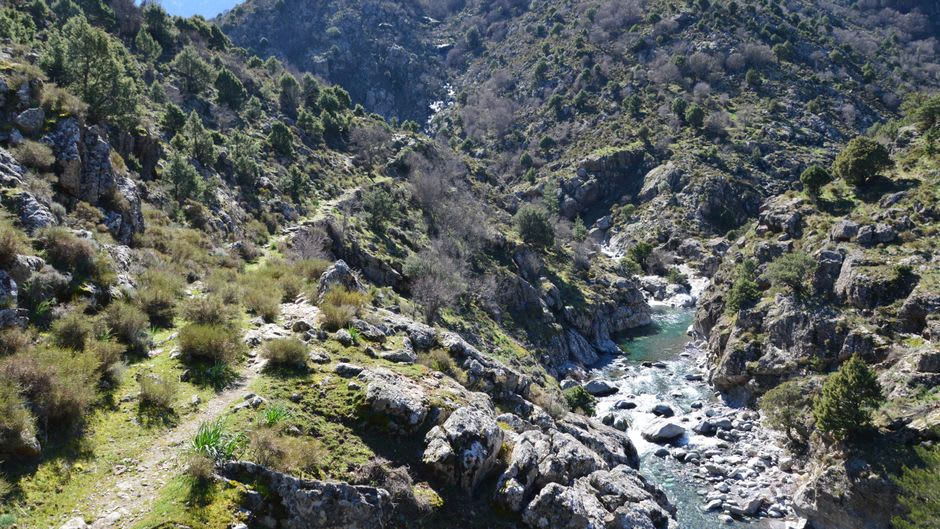
I stopped at Mar Lisha, a smaller hermitage carved directly into the cliff, where a caretaker showed me a chapel barely large enough for four people, its stone walls blackened by centuries of candle smoke, and told me that hermits had chosen these caves not for comfort but for a specific angle of morning light they believed helped concentration in prayer — whether that’s true or apocryphal, I couldn’t stop thinking about it as the sun moved across the gorge that afternoon.
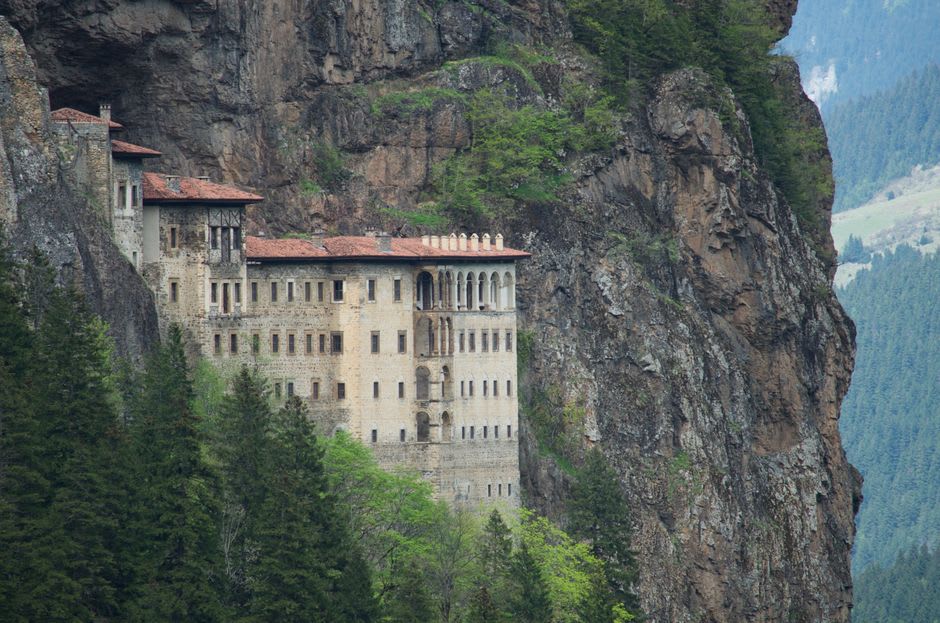
By the time I climbed back out, legs aching, the light had gone gold and the whole gorge looked less like a hiking destination and more like exactly what generations of monks decided it was: a place specifically built by geology for withdrawal from the world.
When to go: April through June and September through October give the clearest trail conditions and the greenest terraces. Winter can bring snow to the upper valley rim, and summer heat makes the exposed sections of trail tough going by midday.