
Gračanica Monastery
"I went in meaning to stay twenty minutes and came out ninety minutes later not entirely sure where the time went."
I took a taxi from Pristina to Gračanica on a morning with flat white light, the kind that makes everything look slightly provisional. The driver, Albanian, dropped me at the monastery gates with a neutrality that told me he had made this trip many times for visitors who wanted to understand Kosovo’s complexity at its most concentrated point. The monastery sits inside a walled enclosure in the middle of the town of Gračanica — a Serbian enclave ten kilometres from the Kosovo capital, protected by barbed wire fencing that dates from the post-war period and has not been removed because nobody has determined what to replace it with.
Gračanica was built between 1313 and 1321 by the Serbian king Stefan Milutin, and it represents perhaps the highest expression of the Byzantine architectural style in the western Balkans. From outside, the arrangement of domes — five of them, stacked in a rising hierarchy — creates a silhouette that seems to move as you walk around the building, each angle revealing a different relationship between the elements. The exterior stone is detailed with blind arcading and brick patterns, the whole surface of the upper walls treated as a kind of sacred textile. I walked around it three times before going in.
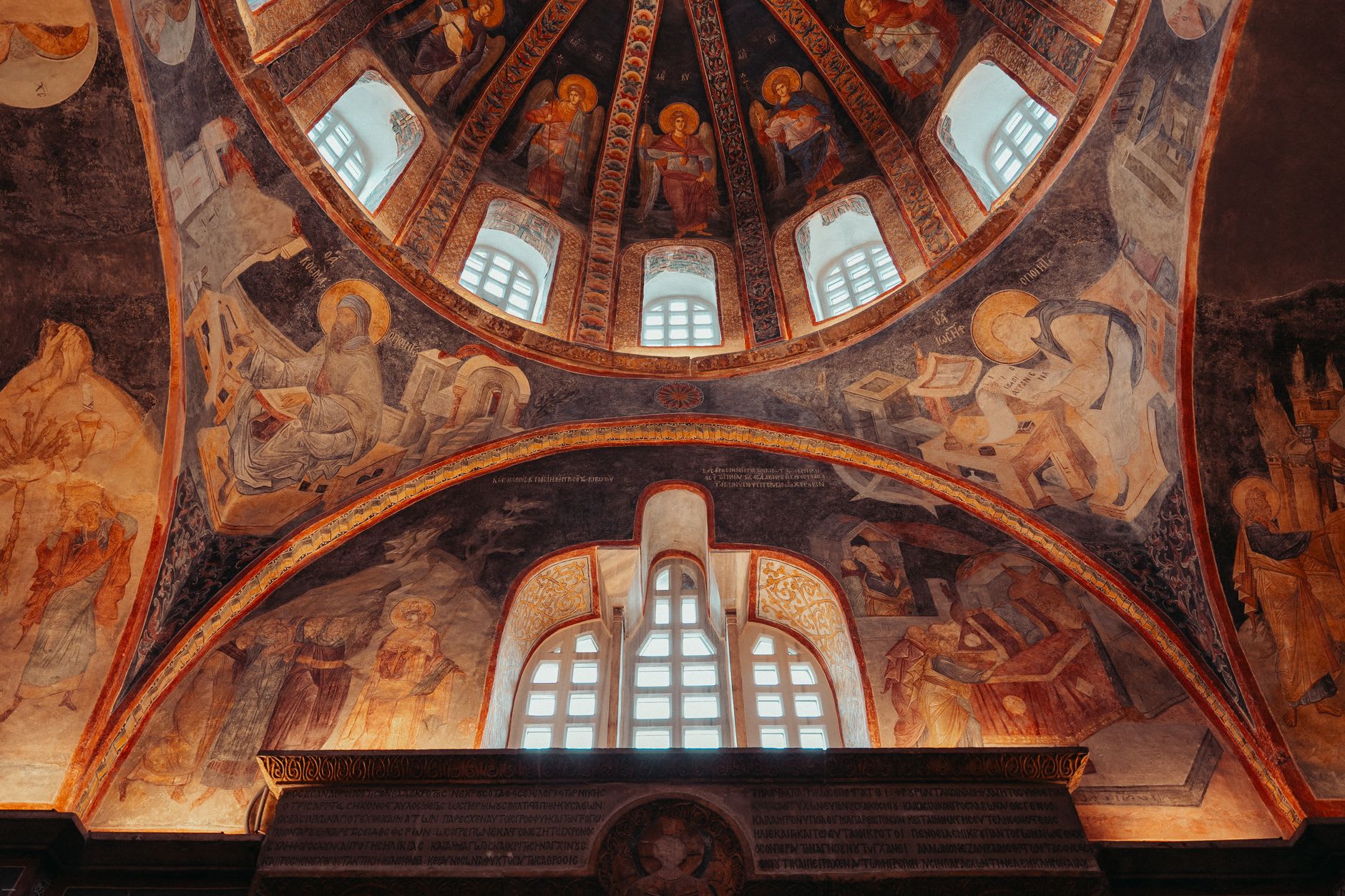
Inside, the narthex hits you first. The frescoes here are among the most accessible medieval paintings in the region — the programme of images covers the walls from ankle height to dome, and the painter’s hand is visible in a way that centuries of church art rarely allow. The genealogical fresco of the Nemanjić dynasty, Stefan Milutin and his queen in their court regalia, the cycle of the Dormition of the Theotokos — these are not decorations. They are theological statements executed in pigment with an exactness of intention that makes standing in front of them feel like reading something important in a language you understand just well enough.
A community of Serbian Orthodox nuns maintains Gračanica and lives within the walled compound. They move through the monastery with the practiced efficiency of people whose days are organized by bells, and they are quietly hospitable to visitors who observe the basic courtesies of dress and comportment. One of them, with excellent English and a sharp wit, corrected my pronunciation of “Nemanjić” and told me which frescoes to look at more carefully. She was entirely right on both counts.
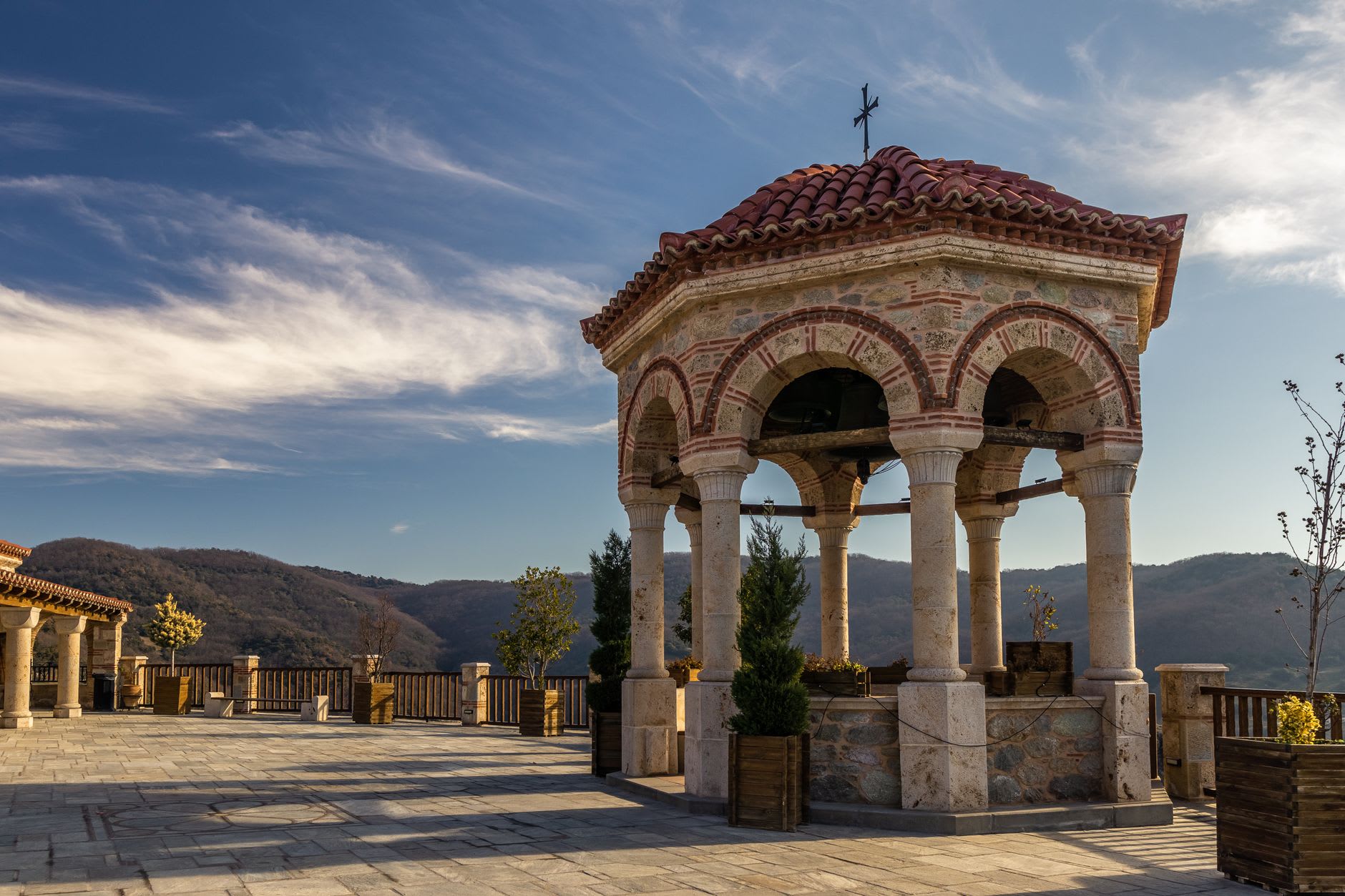
The town of Gračanica is worth a brief walk — it is a Serbian enclave that has maintained its character through a period of enormous pressure, and the combination of Orthodox church calendar and Balkan small-town pace gives it a quality entirely distinct from Pristina ten kilometres away. There is a good bakery near the monastery gate. I bought bread there and ate it on the walk back to where my taxi was waiting.
When to go: The monastery is open year-round and most spectacular in clear weather when the exterior stonework catches good light. Avoid Sunday mornings, when Orthodox services fill the interior with worshippers. Orthodox feast days bring pilgrims from across the region — Christmas on January 7th and Easter are particularly significant. Allow at least ninety minutes.