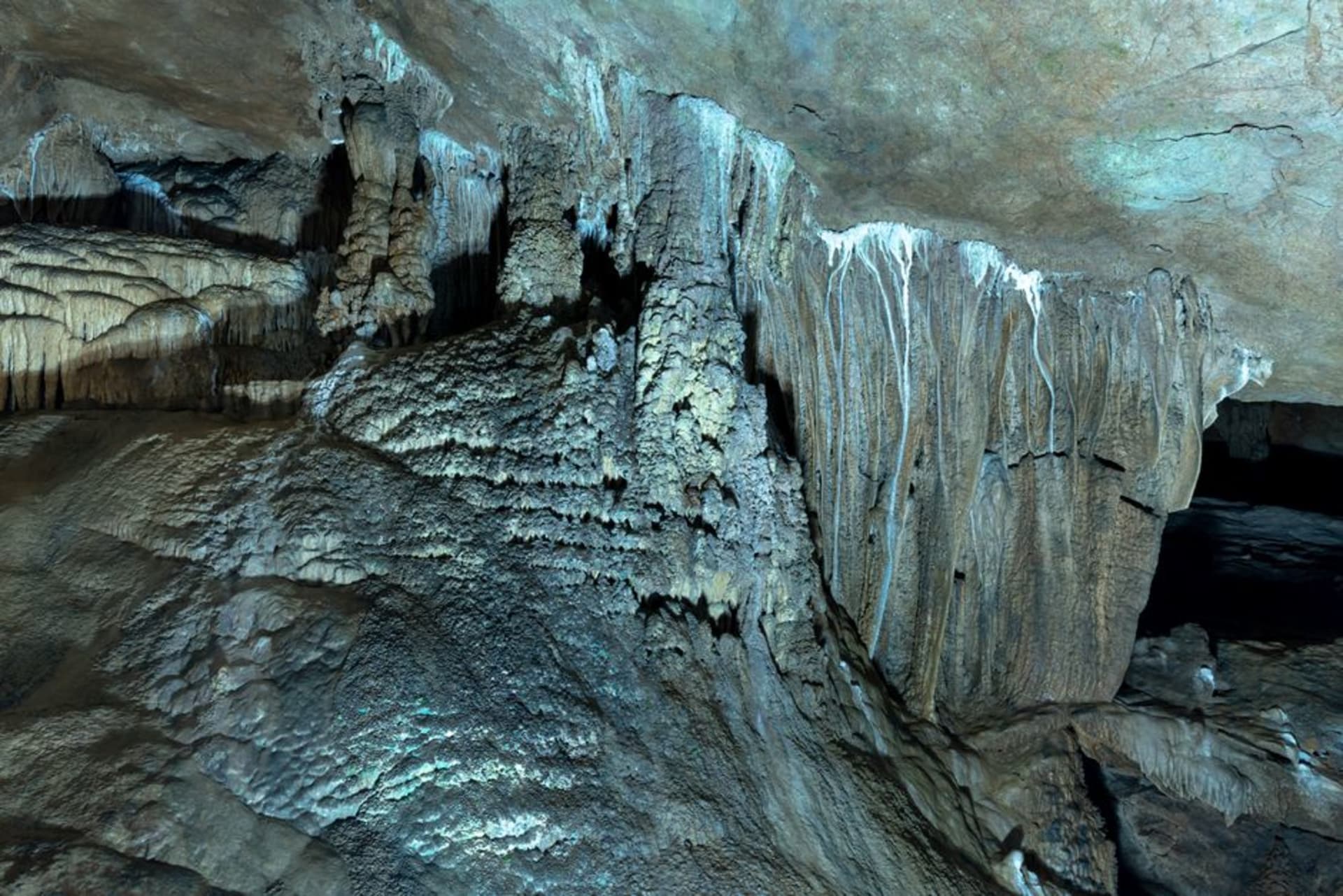
Marble Cave of Gadime
"We came up from Pristina for an hour underground and stayed twice that long, necks craned the whole time."
A farmer digging for water in 1966 stumbled onto two million years of stone, and now you can walk through it near Pristina.
Lia found this one almost by accident, scrolling through offbeat things to do near Pristina, and I’ll admit I was skeptical — a cave, twenty kilometers south of the capital, that most guidebooks mention in a single line? But the story alone was worth the detour: in 1966, a local farmer digging a well near the village of Gadime broke through into darkness instead of water, and what he found turned out to run over a thousand meters underground. We drove down on a warm June morning, and within minutes of parking I understood why Kosovars I’d met in Pristina got a little proud when they brought it up.
The temperature hits you first. Outside it was pushing 28°C; inside, it drops to a steady 9 or 10 degrees no matter the season, and I actually regretted not grabbing my jacket from the car. Only a fraction of the cave’s full length is open to visitors, threaded with metal walkways and soft lighting, but that stretch is dense with formations that took my breath away more than once — stalactites hanging like frozen rain, stalagmites rising to meet them, and in places these strange, gravity-defying helictites that twist sideways instead of straight down, which our guide said nobody fully understands the physics of.
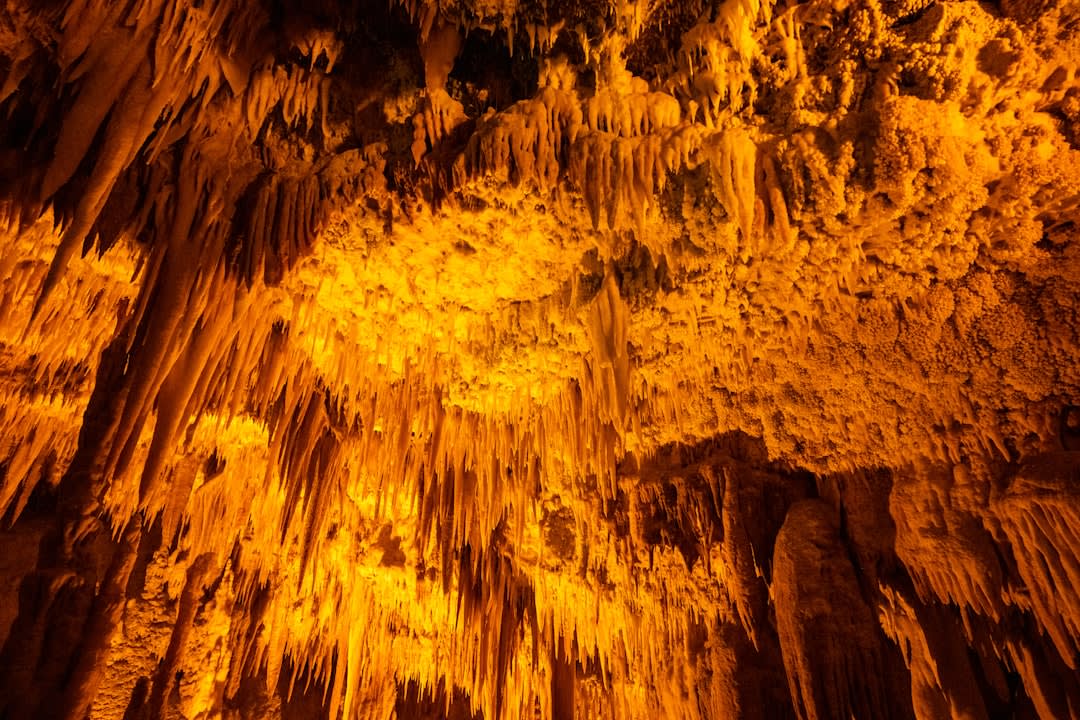
What got me most, though, were the cave pearls — small, smooth spheres formed by dripping water rolling mineral deposits over and over, like nature running a rock tumbler for a few hundred thousand years. Lia crouched by the railing for a good five minutes just looking at one cluster of them, and I had to nudge her along so the next group could pass. It’s humbling to stand in a passage that’s been quietly forming since roughly two million years before either of us existed, in marble-streaked limestone that catches the light in a way I wasn’t expecting from a “cave” — I’d pictured something duller, more uniform gray.
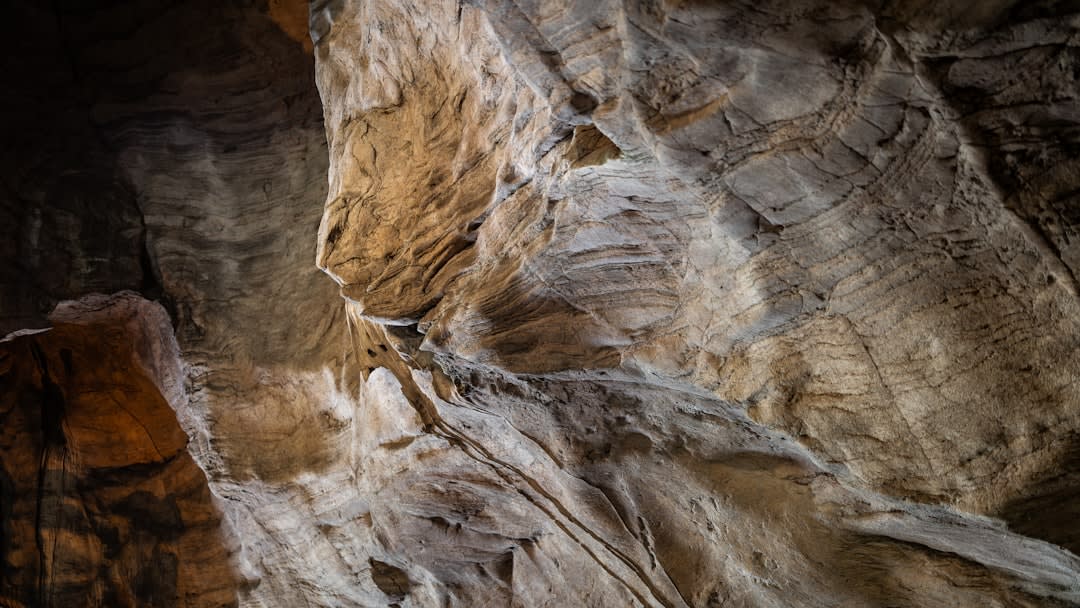
We stayed underground for maybe forty-five minutes, but it felt longer in the good way — the kind of place where you keep stopping to look back at something you already passed. Afterward we sat outside at a small stand near the entrance with coffee, warming back up in the sun and talking about how the cave only started welcoming tourists in stages from the 1970s onward, with real investment coming after Kosovo’s independence. It’s still modest, no crowds, no gift shop chaos, just a genuinely strange and beautiful pocket of the earth that one farmer opened up by accident.
When to go: The cave sits at a constant 9-10°C year-round, so it’s technically open whenever you are — but we’d still time it for the warmer months, if only so the walk to and from the entrance, and the coffee after, feel like a reward rather than a second cold spell.