Nikunau
"No lagoon to hide behind — Nikunau faces the ocean directly, on both sides, all the time."
A reef island with no true lagoon, battered by open ocean on every side and holding some of the deepest oral traditions in the Gilberts.
Nikunau surprised me the moment I understood its geography properly. Most of the atolls I’d visited in Kiribati are built around a lagoon — a sheltered interior sea that softens the whole experience of the place, gives it calm water, gives fishermen a safe working ground. Nikunau doesn’t have one. It’s a solid reef island, narrow and elongated, with the open Pacific hitting both its eastern and western shores directly. There’s no soft side. The wind moves across the whole width of the island without anything to slow it down, and even standing in what should have been the sheltered lee during my visit, I could feel the swell’s pressure in the air.
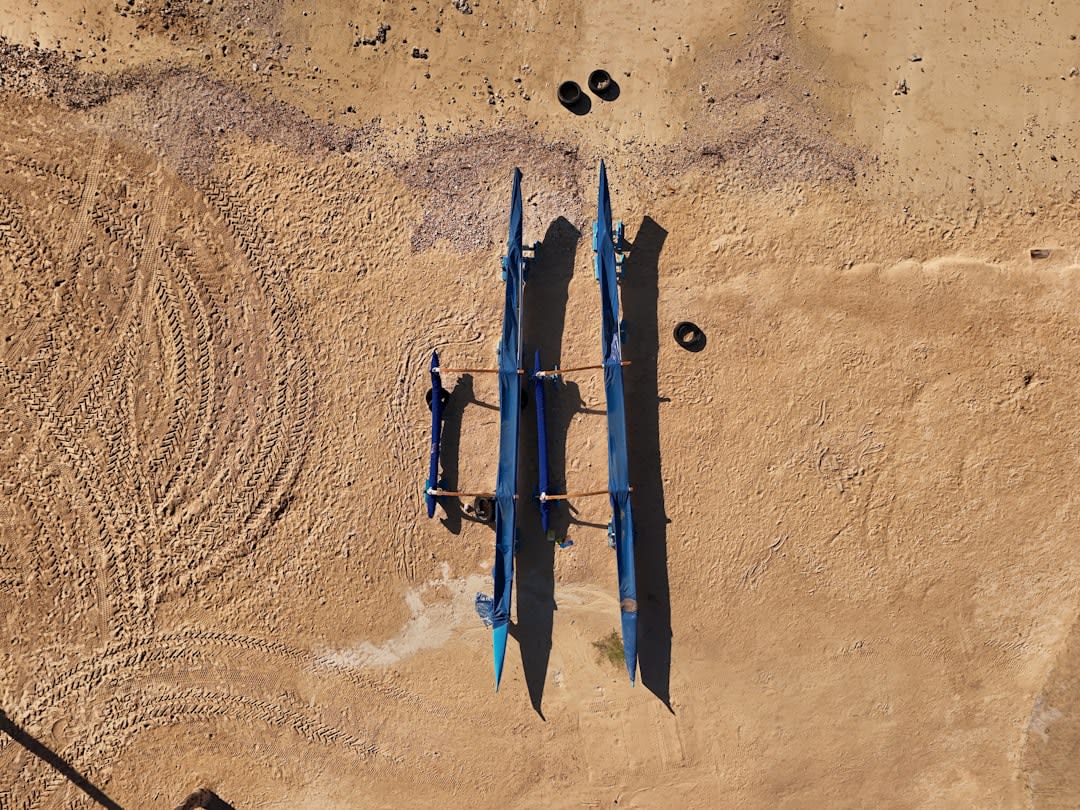
That exposure has shaped the culture here in ways people were happy to explain to me. Fishing from Nikunau is a genuinely dangerous undertaking rather than a lagoon stroll with a hand line, and the island has a correspondingly serious tradition around canoe-building and open-water navigation — men here are spoken of elsewhere in Kiribati as particularly capable blue-water sailors, a reputation that seemed to be treated as a simple fact rather than a boast. Nikunau also figures heavily in Gilbertese oral history and creation narratives; several of the foundational stories about the ancestral figures who are said to have populated the islands trace back through this specific stretch of reef, and the elders I spoke with recited fragments of these stories with a formality that made clear this wasn’t casual folklore to them.
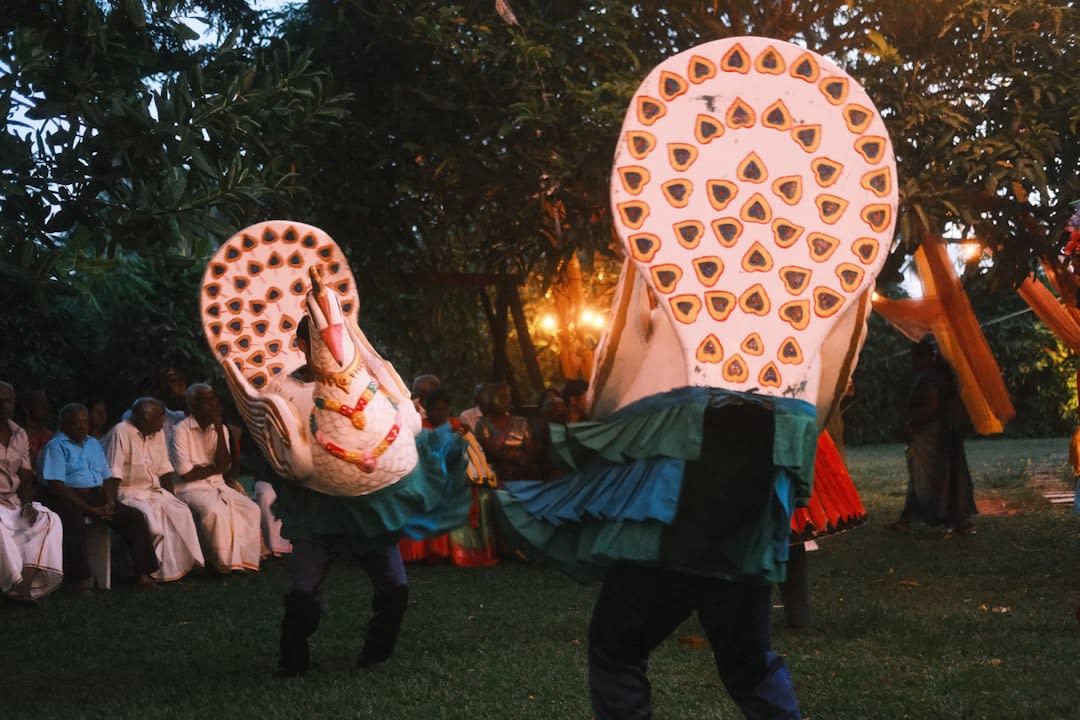
I stayed three nights in a village on the eastern side and was struck by how much of daily life revolved around reading the ocean rather than the lagoon — men gathered each morning discussing swell direction and cloud formations with the seriousness of people checking instruments, because for them it effectively was an instrument. In the evenings, I watched a dance rehearsal for an upcoming church anniversary, arms and torsos moving in the sharp, controlled style typical of Gilbertese dance, performed on packed coral sand lit by a single hurricane lamp while everyone else in the village sat close and quiet, watching.
When to go: April through October, when the absence of a lagoon matters most — rough season swells make both boat landing and daily life considerably harder. Arrange transport and homestay through Tarawa contacts well ahead; there is no formal accommodation.
Keep exploring
More from Kiribati
 kiribati
 Nonouti
A remote lagoon atoll in the central Gilberts where the traditional te maneaba culture still operates as the architecture of daily life.
Explore kiribati
 Onotoa
A narrow atoll split by two lagoons and held to some of the strictest traditional customs left in the Gilbert Islands.
Explore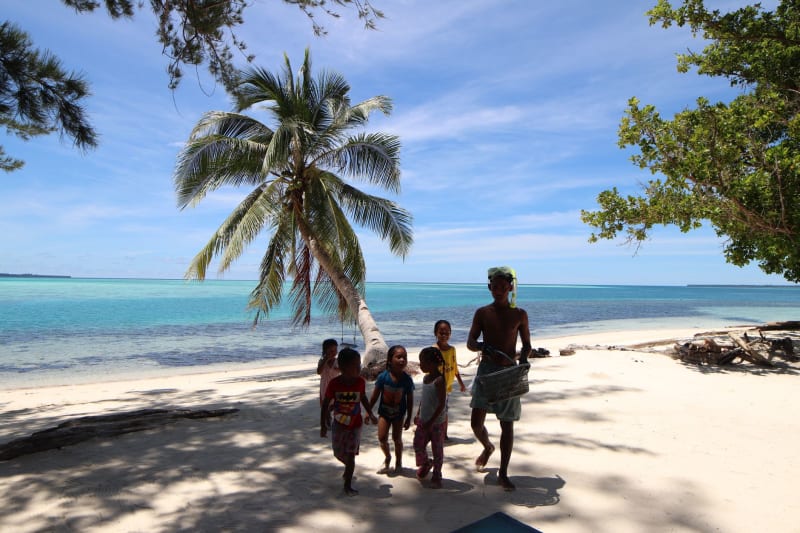 kiribati
 South Tarawa
A hundred thousand people crammed onto a sandbar no wider than a city block — chaotic, vital, and nothing like you expect.
Explore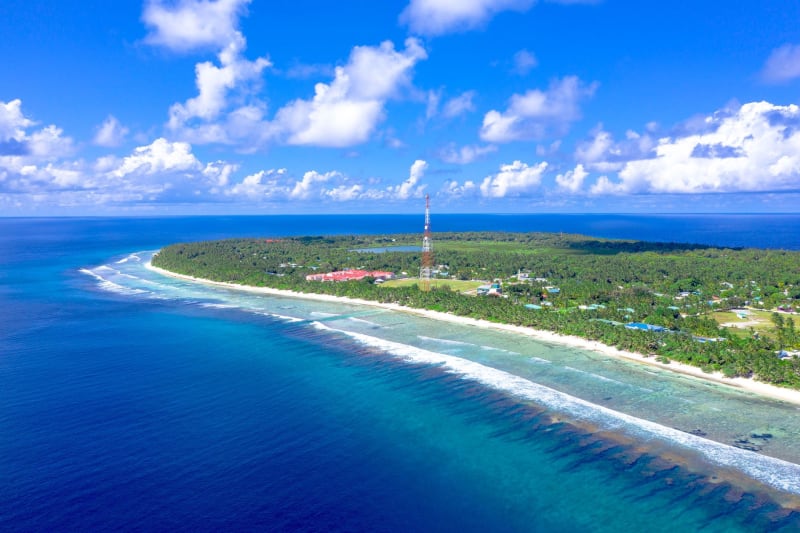 kiribati
 Tabiteuea
The longest island in the Gilbert group — conservative, proud, and divided by a channel that separates two distinct communities.
Explore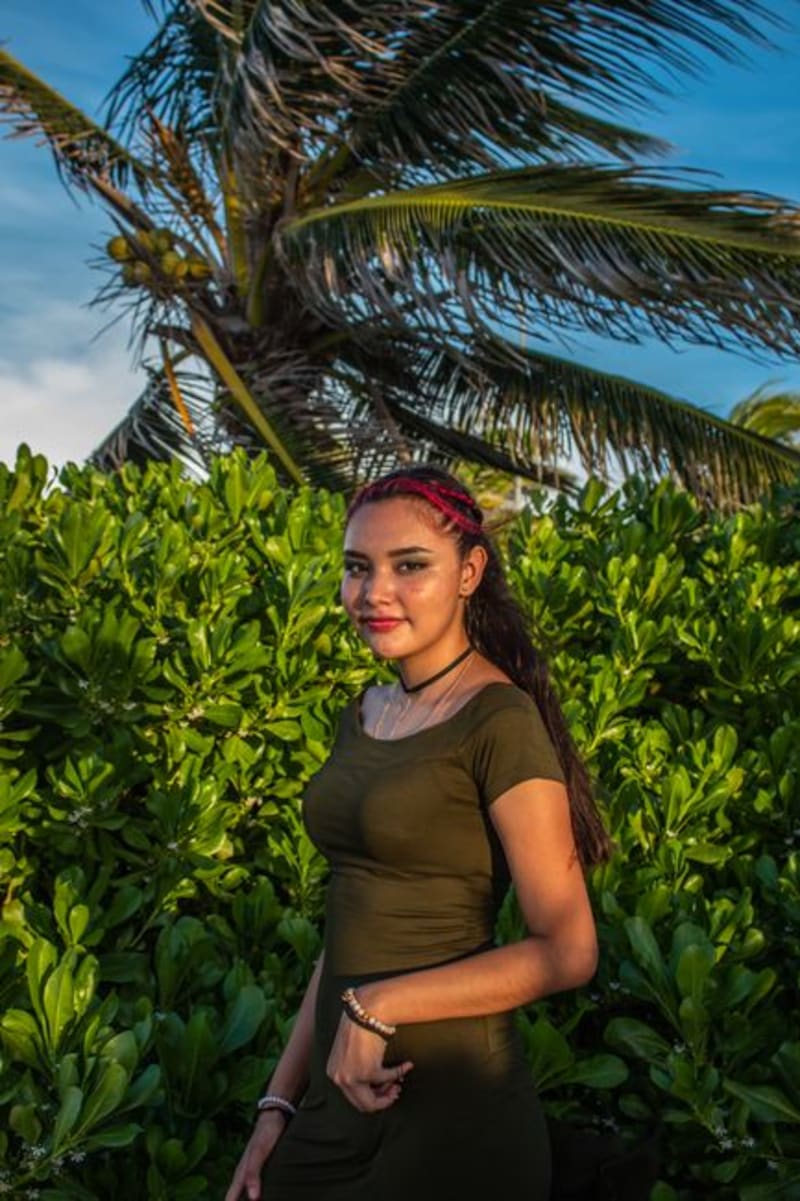 kiribati
 Tabuaeran
Also called Fanning Island, a lush Line Islands atoll with one of the largest lagoons in Kiribati and a strange history as a transpacific cable station.
Explore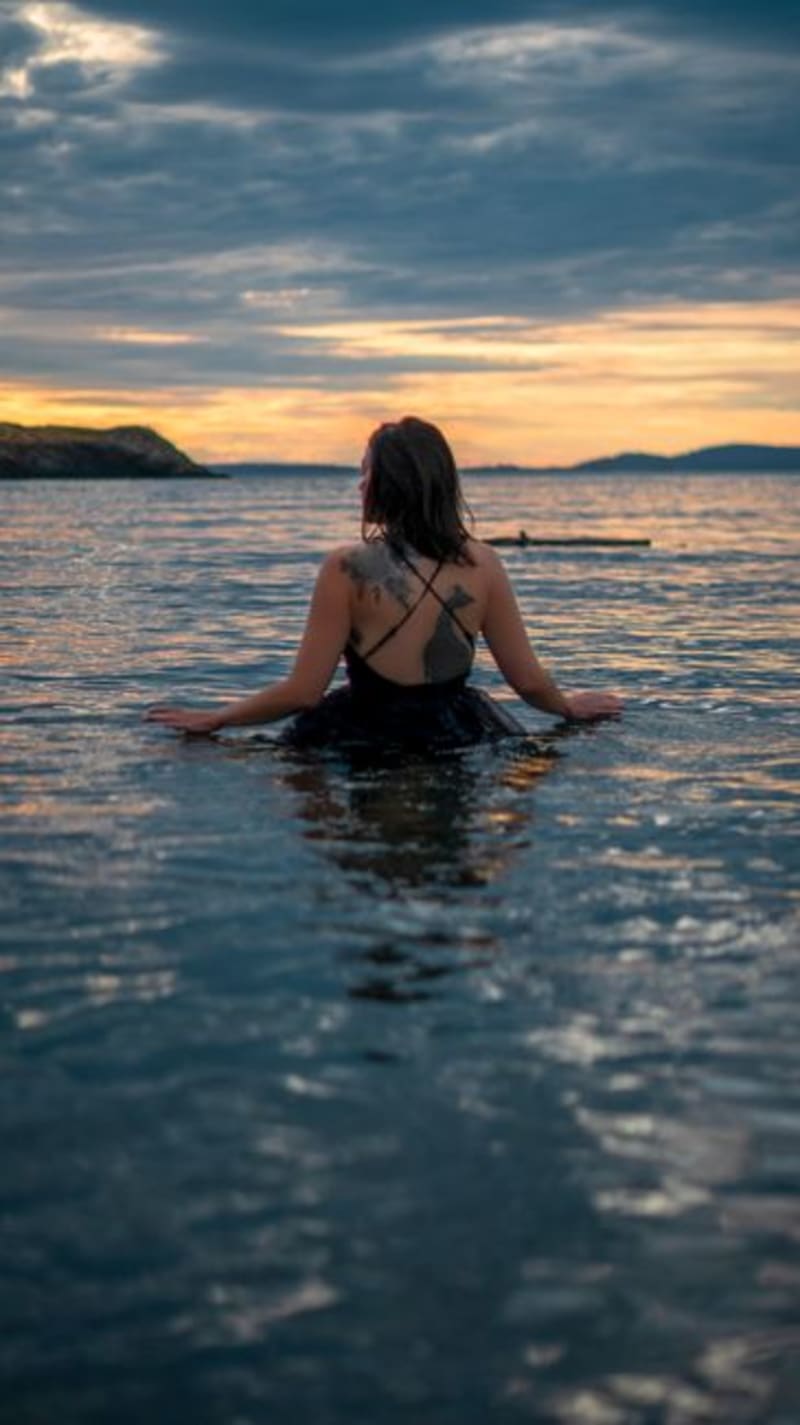 kiribati
 Teraina
Also called Washington Island, an unusually lush Line Islands atoll built around a real freshwater lake, unlike anywhere else in Kiribati.
Explore