
Marangu
"Marangu smells like coffee and pine and something older — a village that has been watching people attempt the mountain for over a century."
The dala-dala from Moshi dropped me at the Marangu junction with a casual indifference to my having no idea which direction to walk. A man selling roasted maize from a charcoal drum pointed me uphill without my asking. The road climbs through dense plantations — coffee, banana, maize — and after twenty minutes the village materialises: a scatter of stone houses and wooden fences, a small market square, and at the far end, where the tarmac gives way to a dirt track, the old Marangu Hotel sitting behind colonial-era jacaranda trees with the permanent expression of an institution that knows exactly what it is.
Marangu is the starting point for what climbers call the Coca-Cola route — Kilimanjaro’s most walked path to the summit, the only one with sleeping huts rather than tented camps, the one that first-timers and large tour groups tend to use. The name carries a slight condescension in mountaineering circles, as if the huts and the relative gentleness of the gradient disqualify the effort. That attitude misses the point entirely. The Marangu route is historically significant — it was the path that Hans Meyer and Ludwig Purtscheller used in 1889 for the first recorded ascent of the summit. The Marangu Hotel, founded in 1932, has hosted nearly a century of departures and returns, and the weight of all those attempts is present in the walls of the bar, where old photographs and summit registers line every surface.
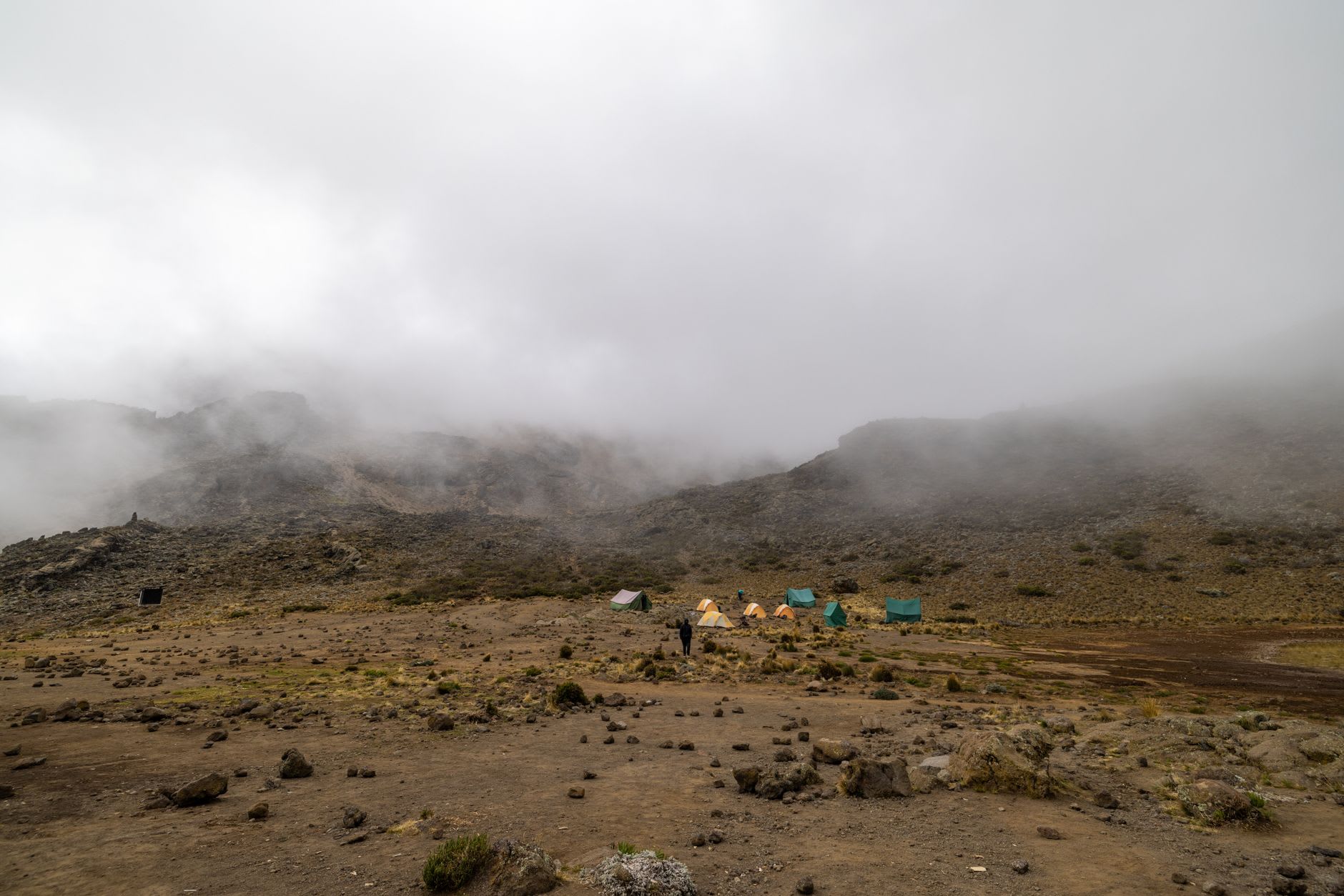
The village below the gate is slower-paced than Moshi and more openly agricultural. Women carry firewood on their backs along the same paths that porters use to reach the mountain. In the late afternoon, the smell of banana beer — mbege, the traditional Chagga brew made from fermented banana and finger millet — drifts from open-sided drinking houses where groups of men sit on low benches and argue with the particular vigour of people who have known each other for decades. I was invited in by a retired park ranger named Elia, who had worked on Kilimanjaro for thirty years and could identify which porters were struggling from fifty metres away by the angle of their shoulders. He poured me a calabash of mbege and explained in careful English that the mountain changed its personality depending on the season: quiet and introspective in January, loud and busy in August, melancholy in the rains.
The forest just inside the Marangu gate — the first zone of the mountain proper, accessible even on day permits — is one of those places where the word rainforest stops feeling like a category and starts feeling like an experience. The canopy is high and cathedral-like, filtering light into shifting green columns. Colobus monkeys move through the upper branches, black and white against the green, trailing their long tails with an elegance that looks performative. I watched one hang by one arm from a branch twenty metres up and eat a fig with the serene concentration of someone for whom the height was simply not a consideration worth entertaining.
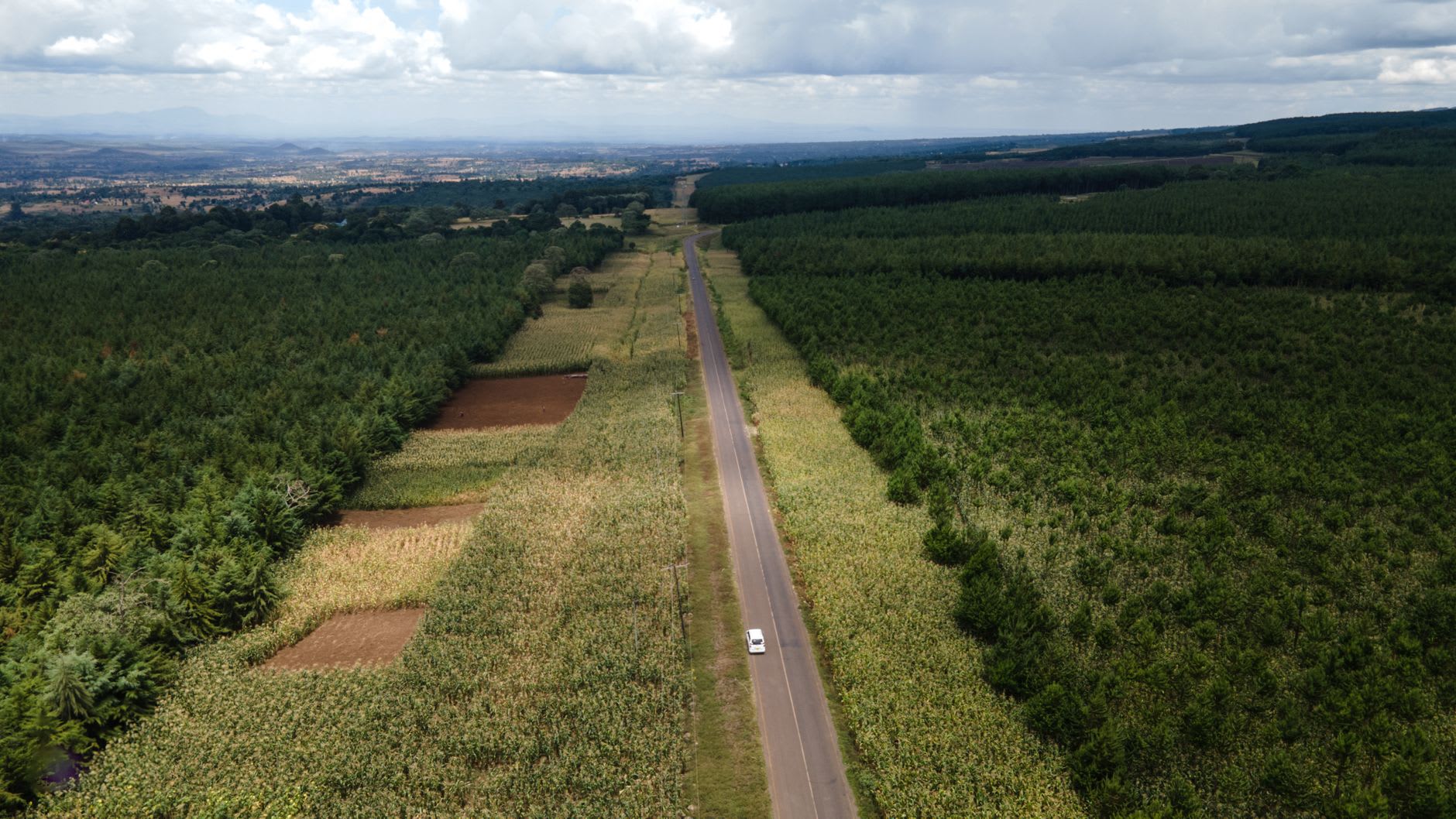
What I hadn’t expected was how much the village felt like a place with its own life entirely independent of the mountain. There are children doing homework on stoops, women running small fabric shops, a man fixing bicycle tyres with the focused pragmatism of a craftsman. The mountain is simply there, as it always is, and the people below it get on with the business of living in its shadow in the way that people always have — with a mixture of pride, practicality, and the occasional upward glance that contains something harder to name.
When to go: Marangu is accessible and pleasant year-round. The climbing routes from here are best attempted in the dry seasons — January to March and June to October. For the forest day walks and village atmosphere, January through March is ideal: smaller crowds, clear mornings, and coffee harvest season when the farms are at their most active. The Marangu Hotel fills up quickly from July through September; book well in advance.