Kibosho
"The mifongo channels are older than most countries — water flowing exactly where someone decided it should three centuries ago."
The road to Kibosho climbs past the point where most visitors to the region stop paying attention to the landscape. The plains flatten out below you, then the coffee plantations thin, and then you are in the zone where bananas grow in terraced rows along slopes steep enough to require a careful step. A man passed me on this road carrying a bicycle on his shoulder — carrying it, not riding it, because the gradient had made riding impractical. He nodded with the composure of someone whose morning this is perfectly routine.
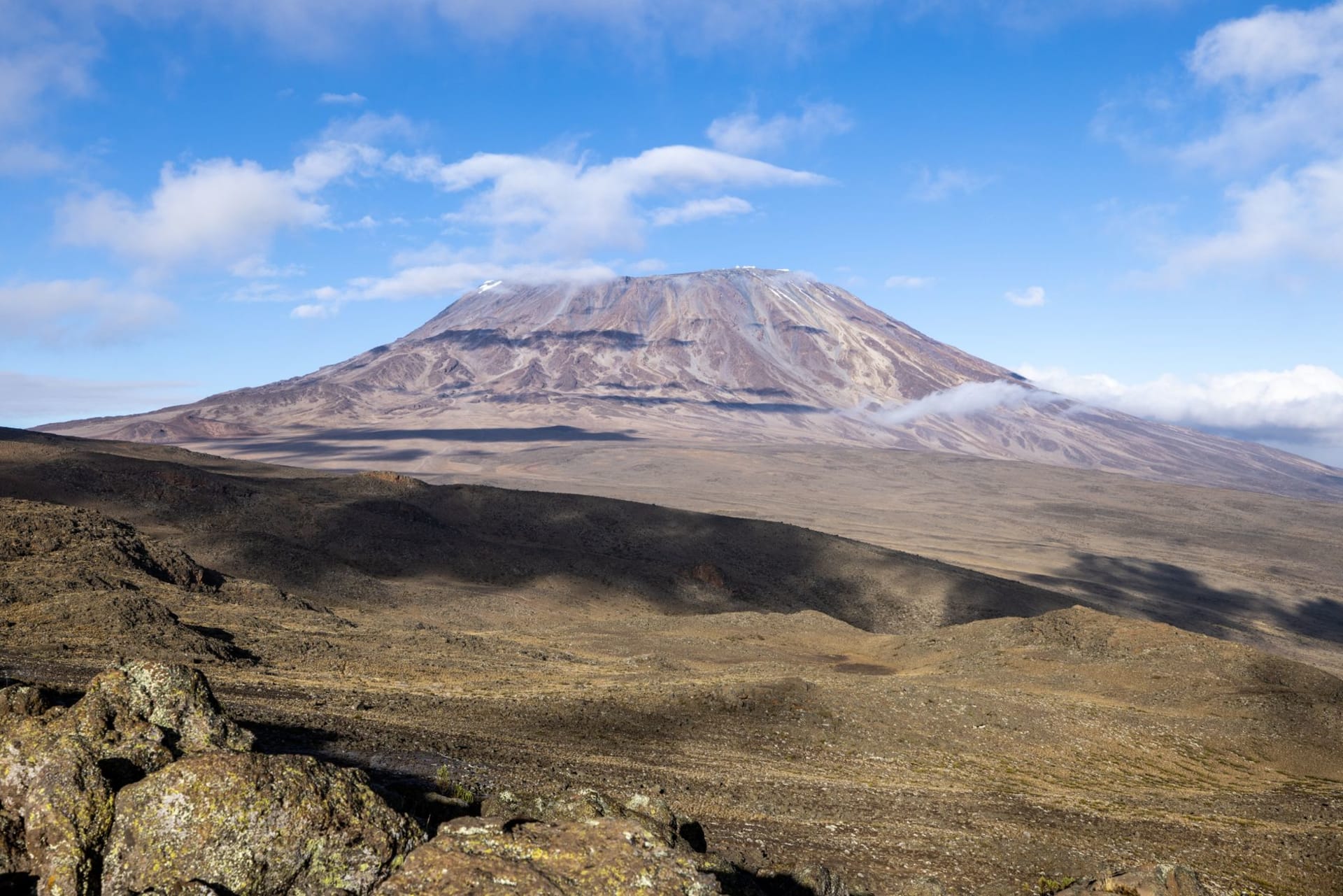
Kibosho sits at around 1,500 metres on the southwestern flank of Kilimanjaro, higher than Moshi and quieter, a village of scattered farmsteads connected by paths rather than streets. The Chagga have been farming here for at least five hundred years, and the evidence of that duration is written into the landscape itself: the deep terraces cut into the hillside, the banana varieties cultivated over generations into a range that staggers any cook who encounters it — sweet, starchy, cooking, brewing — and most visibly, the mifongo. These are the irrigation channels that run for kilometres through the farms, carved from stone and maintained collectively by the community, distributing water from streams higher on the mountain with an engineering logic that was worked out three hundred years ago and has not needed significant revision since. I stood at one and watched water flow along a channel the width of my forearm, clear and constant, and thought about all the meetings and disputes and agreements that had gone into establishing its exact course.
The Catholic mission at Kibosho was established by the Holy Ghost Fathers in 1890 and is one of the oldest Christian missions in Tanzania. The church is a thick-walled stone building that occupies a terrace above the village with a commanding view across the plains to the south. On the Sunday morning I visited, the service was just ending and the congregation was dispersing slowly, women in bright kangas standing in groups and catching up in Swahili and Chagga, children climbing a jacaranda tree in the churchyard with the practiced efficiency of children who have been doing this every Sunday for years. A priest — young, originally from Kenya, he told me — invited me into the sacristy and showed me photographs of the original German missionaries, men with enormous beards standing in front of the same stone wall that still stood behind us. The continuity was not dramatic or performed. It was simply there, like the mifongo.
The bananas here are something particular. Not the uniform yellow objects of European supermarkets but dozens of varieties in colours from deep green to purple-red to gold, each with its own use and name in the local language. A woman named Martha ran a small kitchen next to the market where she made matoke — green banana steamed inside its own leaves until it becomes a soft, slightly sweet mash — served with a bean stew darkened with dried chili and a side of avocado that had been halved and salted. I ate two portions and felt no need to qualify or explain the pleasure.
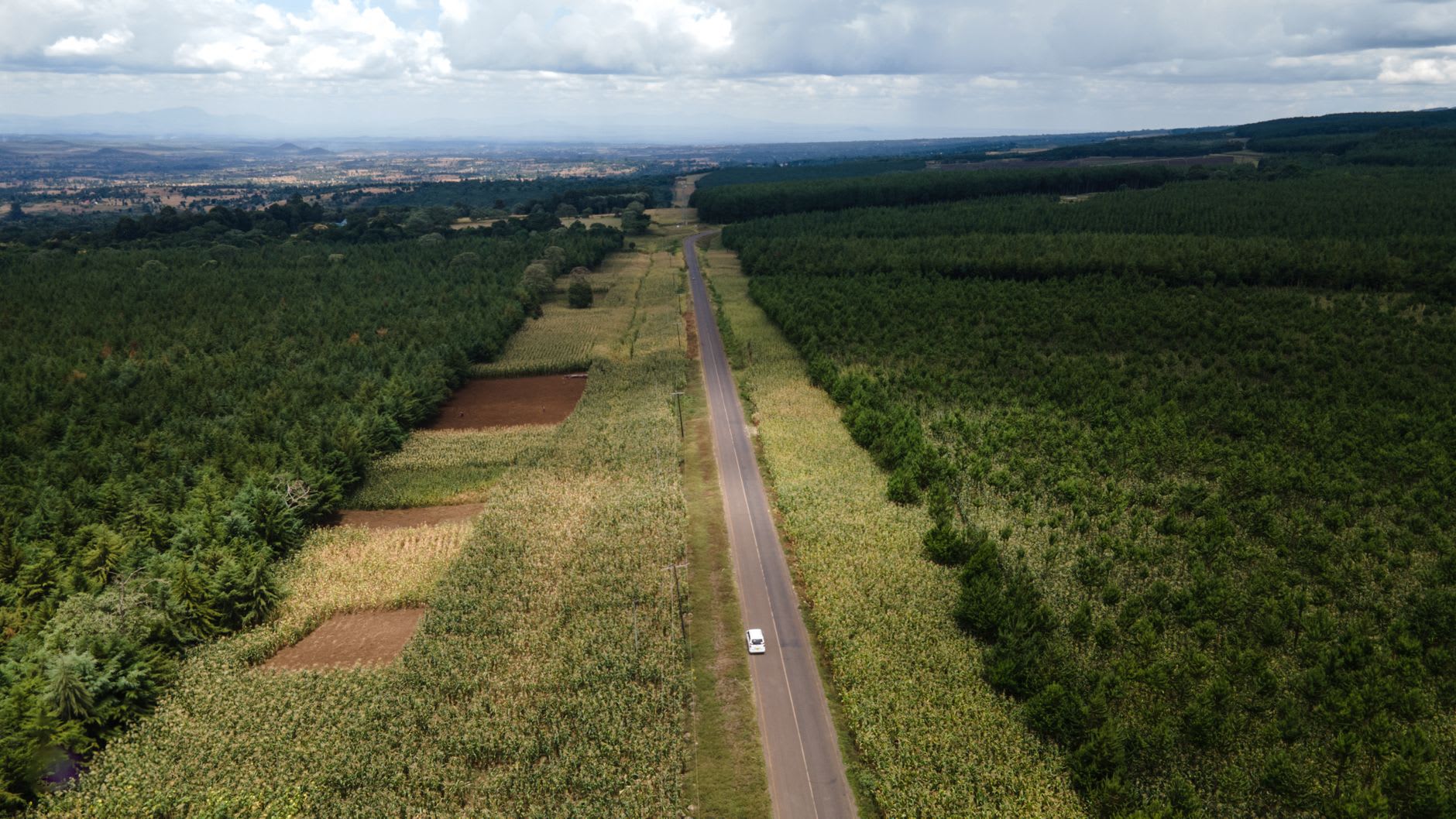
The views from Kibosho on a clear morning are one of those things that reward arriving early and staying longer than you planned. The southern flank of the mountain rises immediately behind you, invisible in the cloud by ten. The plains below stretch flat and hazy until they reach what you know is Arusha but cannot make out. The village sits between these two immensities with the undemonstrative confidence of a place that has found its altitude and intends to stay there.
When to go: Kibosho is best visited in the morning during dry season months — January through March or July through September — when the views from the village across the plains are clearest. The market day is Wednesday, when banana farmers from the surrounding slopes come down to trade and the village briefly doubles in population. A local guide from Moshi who speaks Chagga is invaluable for understanding what you are seeing; most mifongo tours are arranged informally.