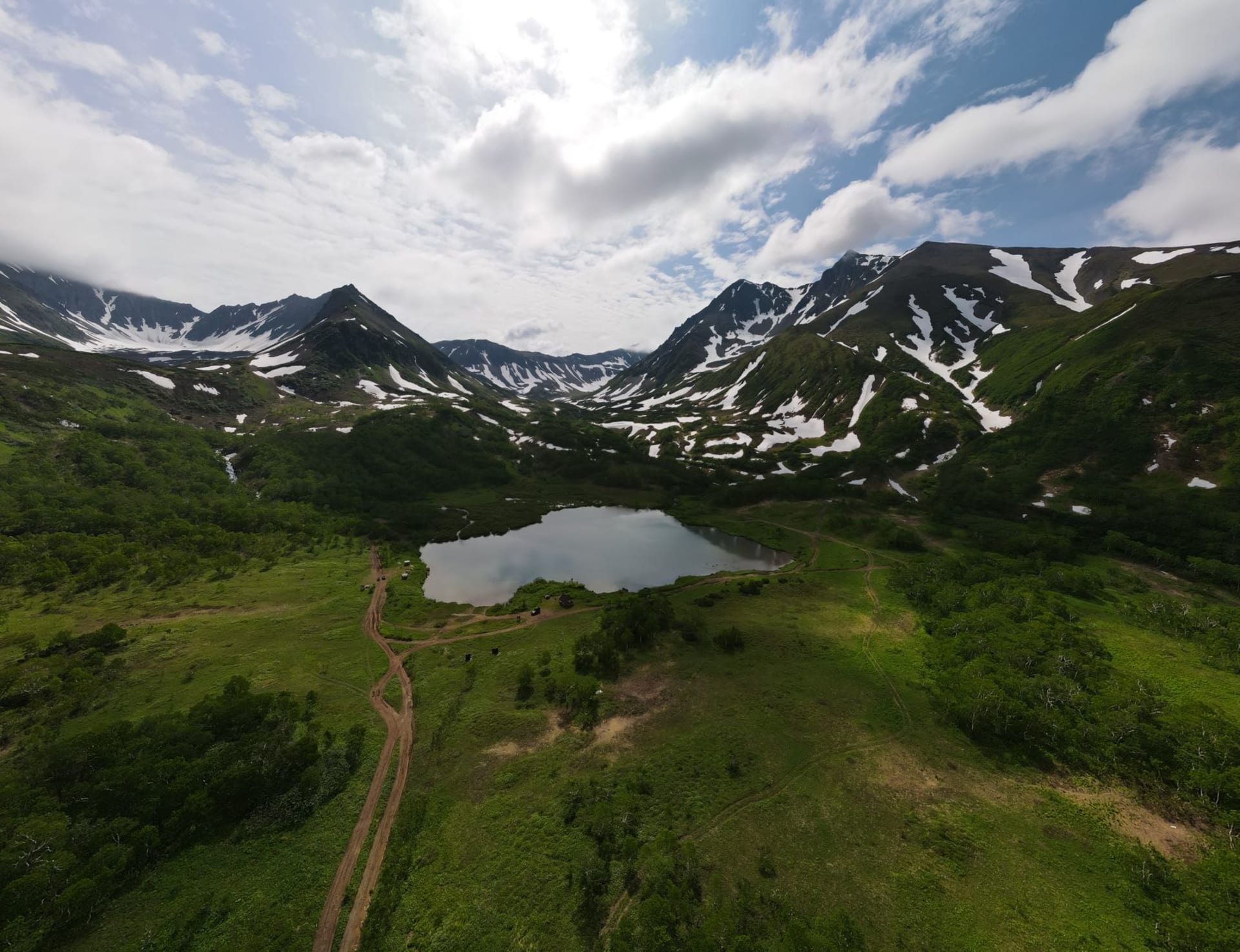
Kurilskoye Lake
"The lake turns red in August, and it has nothing to do with the sunset."
I saw the lake from the helicopter before I understood what I was seeing. The water in the shallows near the inlet streams had taken on a deep reddish-brown color — not the color of mud, not the color of algae, but the specific red of tens of thousands of fish packed so densely into the water that they change its apparent color from above. The pilot, who had flown this route dozens of times, said something in Russian that my guide translated as: good run this year. That was an understatement so profound it bordered on poetry.
Kurilskoye Lake occupies the caldera of an ancient volcano in the southern part of the Kamchatka peninsula, part of the South Kamchatka Nature Reserve. The lake sits at 104 meters above sea level, its rim formed by the collapsed walls of the volcano, and it is connected to the Pacific by the Ozernaya River — a connection that the sockeye salmon have been using for thousands of years. In a good year, three to four million salmon enter the lake to spawn. In an exceptional year, the number approaches six million. No other lake on Earth supports a sockeye run of this magnitude, and the ecosystem that has developed around it — bears, eagles, foxes, the whole food web — is calibrated to this particular abundance with extraordinary precision.
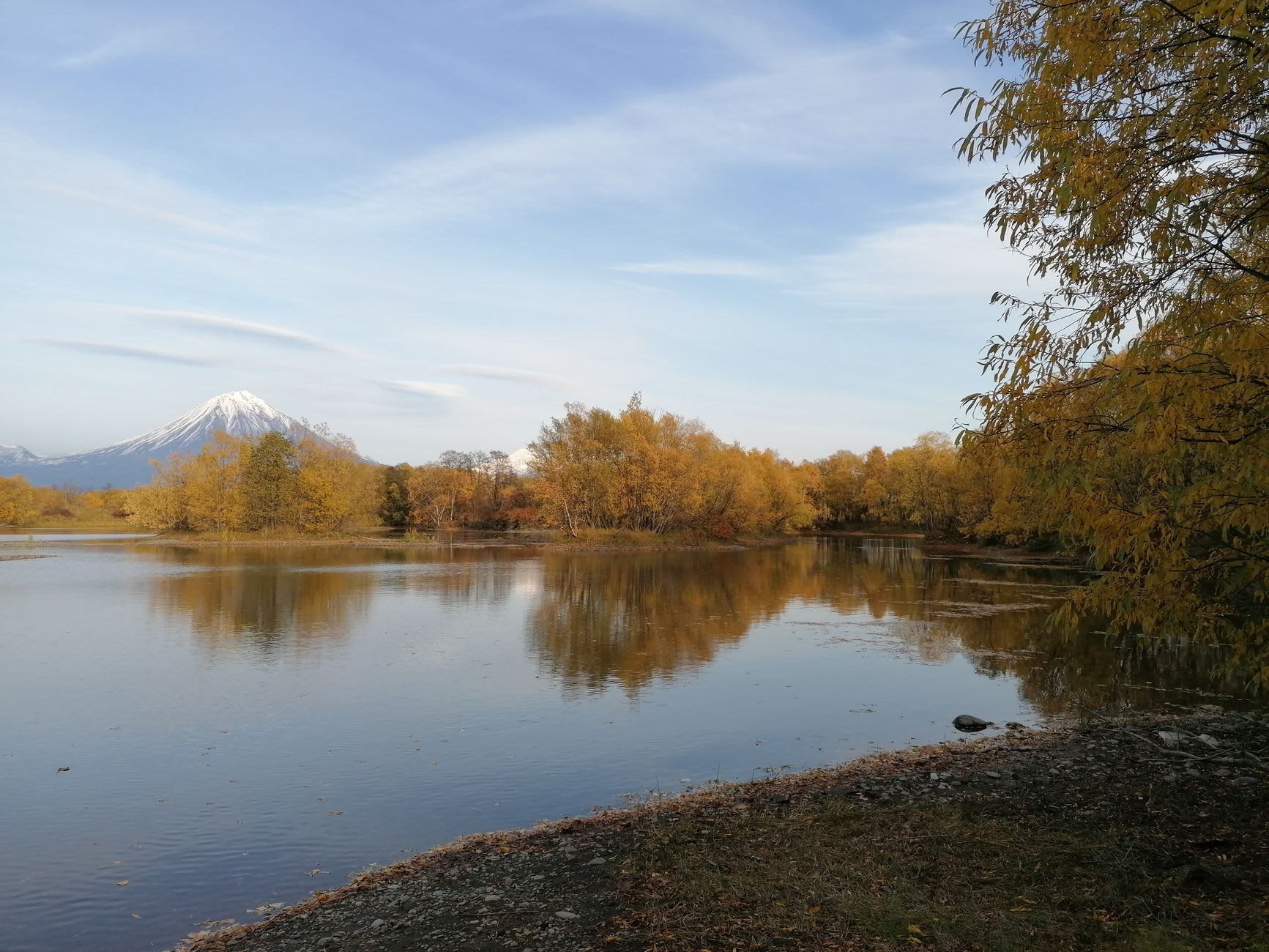
The bears arrive before the salmon do, positioned at the river mouths and stream outlets like they’ve read the schedule. And in a sense they have — these animals have been learning this pattern for generations, and the most experienced individuals choose their spots with tactical intelligence. I watched a large male work the same ten-meter stretch of river for four hours, catching fish with a technique that evolved from clumsy swatting to something more refined over the course of the afternoon: waiting until a fish turned broadside in the current, then pinning it with one paw against the gravel. He ate only the fat-rich brains and eggs from each fish, discarding the rest, because at this time of year protein efficiency matters more than volume. The discarded carcasses feed the forest — returning ocean nutrients to the land, fertilizing the trees and grasses kilometers from the water.
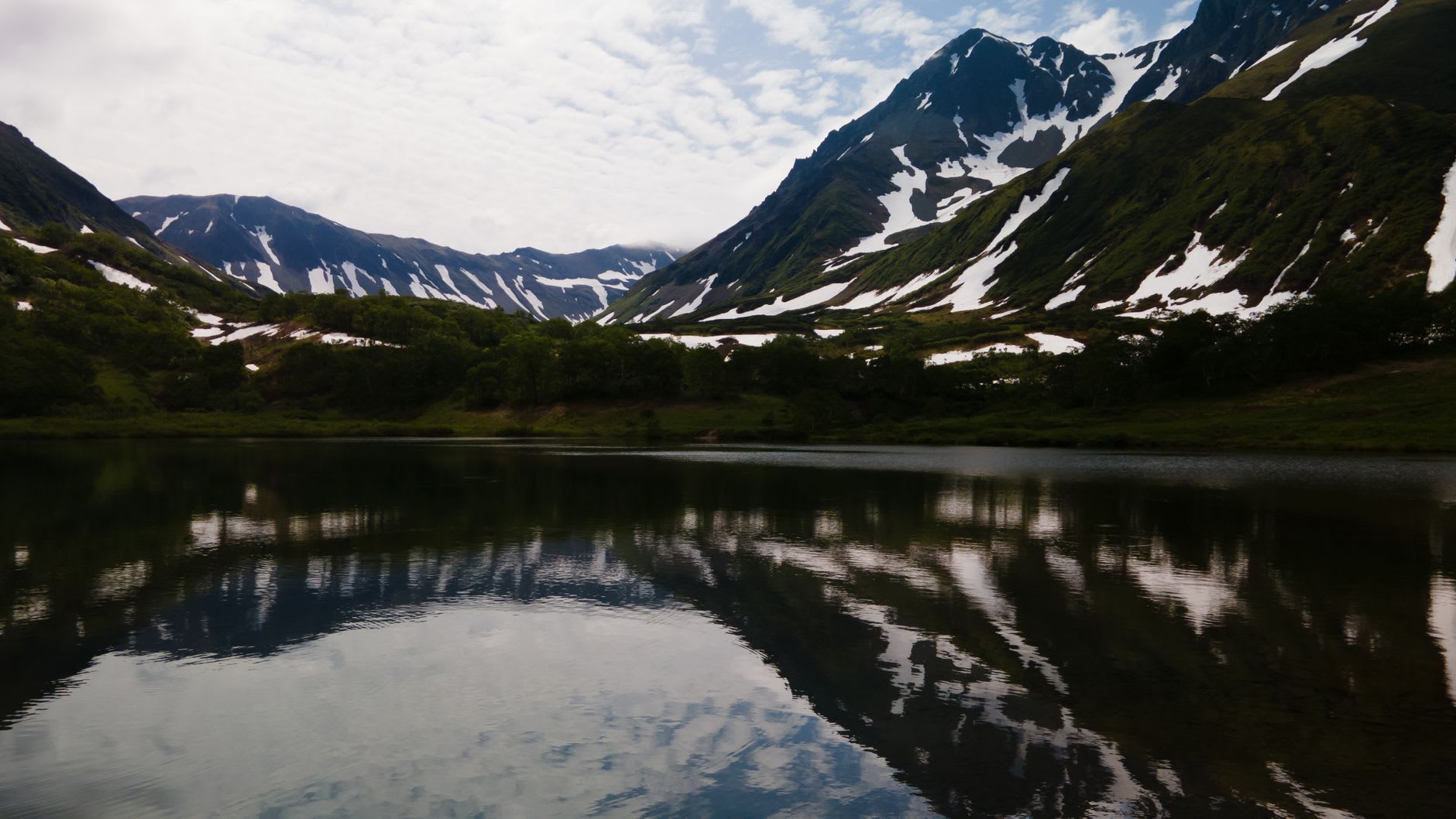
The lake itself, when the salmon run is not overwhelming your attention, is one of the most beautiful bodies of water I have seen anywhere. The caldera walls rise on three sides, covered in alder and willow scrub, their reflection in the water creating a symmetry that feels almost theatrical. On clear mornings the water is so transparent you can see salmon three meters down, hovering in schools, catching the light. The surrounding mountains — several small volcanoes in the South Kamchatka Nature Park — frame the lake against a sky that in August stays light until well after ten at night.
Access is by helicopter from Petropavlovsk, which makes Kurilskoye Lake one of those places that requires both planning and money to reach — and is worth every ruble and every hour of the logistical effort. The South Kamchatka Nature Reserve administration requires permits and guides; visits are carefully managed to avoid disrupting bear behavior during the critical feeding season. You watch from designated positions, on foot, with rangers, and the experience is better for it — you are a careful observer of something real rather than a participant in something staged.
When to go: The salmon peak runs from late July through September; the prime bear-watching window is mid-August through early September. Book helicopter transfers and permits through licensed operators months in advance. Weather can cancel or delay flights for days at a time — build extra time into any Kurilskoye itinerary and consider booking the helicopter for a full day rather than a single return trip.