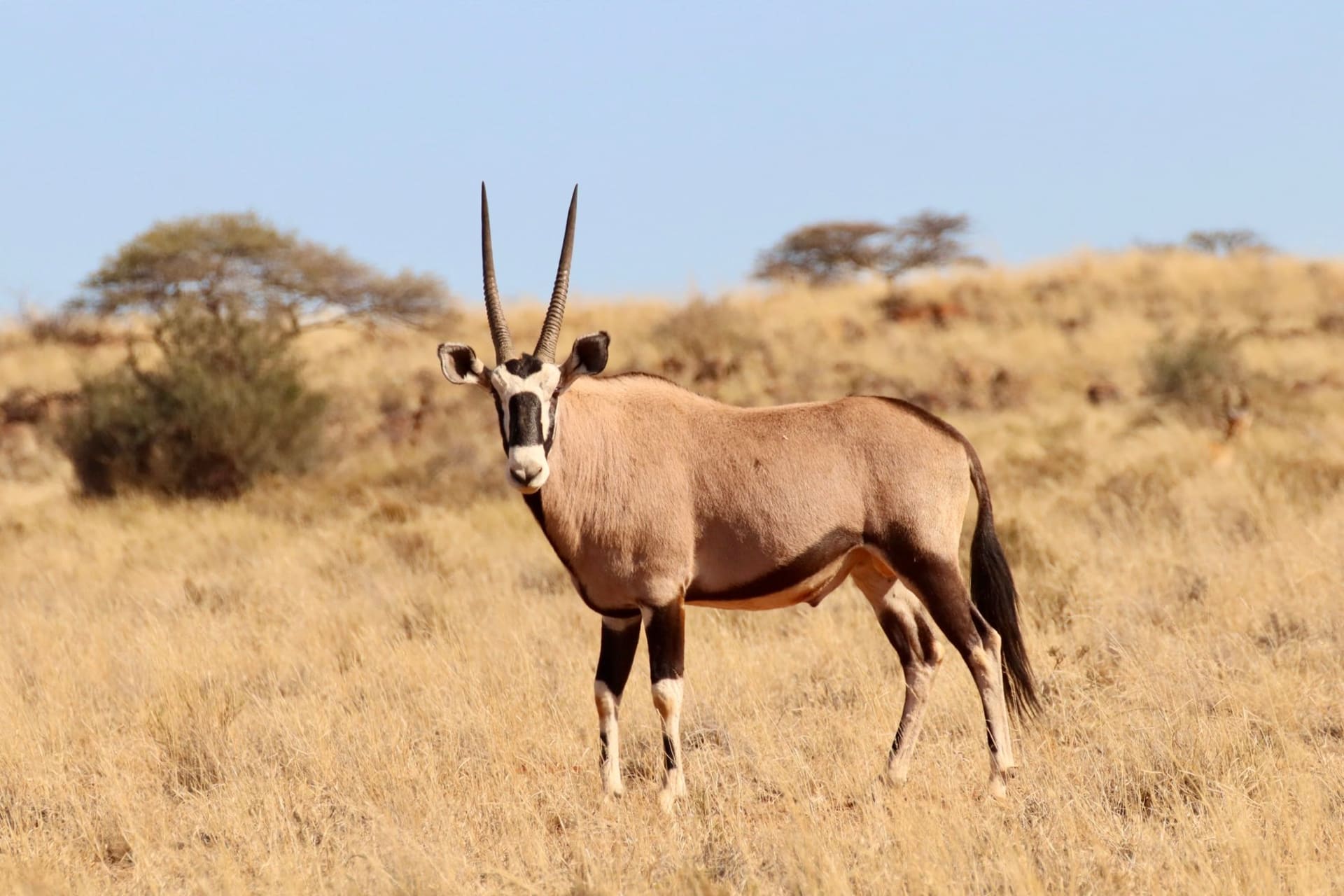
Twee Rivieren
"Every Kgalagadi trip starts here, but some people never leave — and looking at that light on the dunes at 6am, I understood why."
The border post at Twee Rivieren closes at sunset. This fact, when it is announced for the first time, produces a particular urgency in visitors who have misjudged the drive from Upington — a scramble to cover the last 180 kilometers of gravel road with one eye on the lowering sun. I arrived in time, barely, with dust-caked windows and a fine coating of Northern Cape red on everything inside the cab. The ranger at the gate was unflappable. He logged my registration, handed me a permit, and pointed up the Nossob river valley in a way that suggested the next few days were going to be satisfactory. He was right.
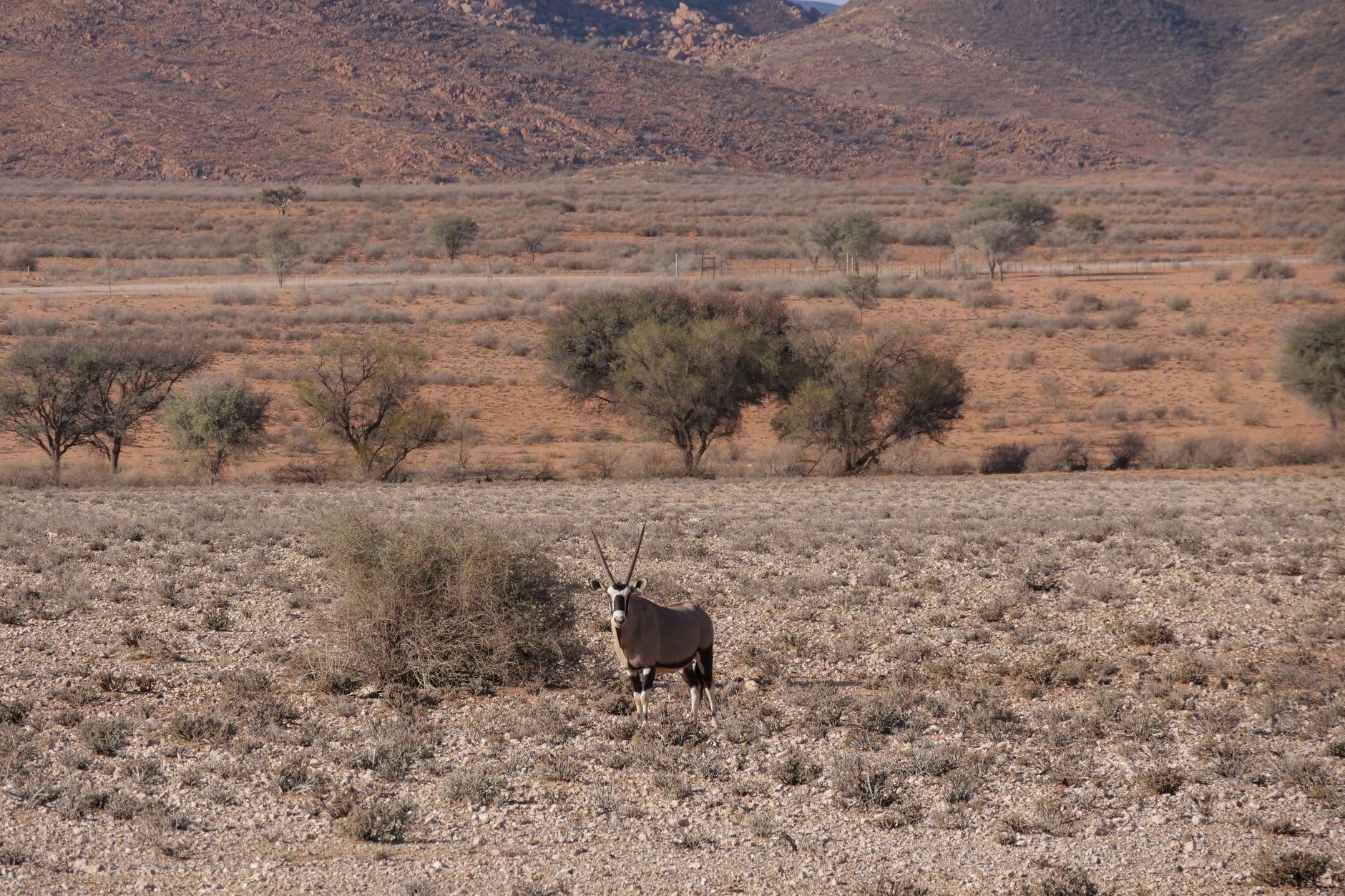
Twee Rivieren — “two rivers” in Afrikaans, named for the confluence of the Nossob and Auob dry river valleys that meet here — is the main rest camp of the South African section of the Kgalagadi. It has a restaurant, a pool, a shop, and bungalows with air conditioning, which makes it simultaneously the most comfortable and most contested point in the Kgalagadi experience. The purists head straight for the unfenced wilderness camps deeper in the park. But Twee Rivieren has its own claim on the wilderness: the game viewing begins immediately. Within an hour of arriving I watched a coalition of two cheetahs cross the Nossob riverbeds from the camp’s perimeter fence, using the dry watercourse as a thoroughfare with absolute confidence and not the smallest acknowledgement of the fence, the vehicles, or the people behind glass watching them go.
The camp is also the operating base for early morning drives before the day’s heat builds to the point of discomfort. I woke at five and was at the gate at opening, the cold that particular sharp intensity of the Kalahari pre-dawn when the temperature can drop below zero in June, my breath visible in the beam of the headlights. The riverbeds are best in the first hour of light, when the nocturnal animals are still finishing their business and the diurnal ones are beginning theirs. Within twenty minutes of the gate, a female leopard with two cubs was sitting on a dune crest above the Auob, watching the riverbed below with focused professional attention. I stopped the engine and we looked at each other — or at least she looked at me with a specificity that I found unsettling, while I looked at her with the undifferentiated reverence of someone who cannot quite believe what is happening.
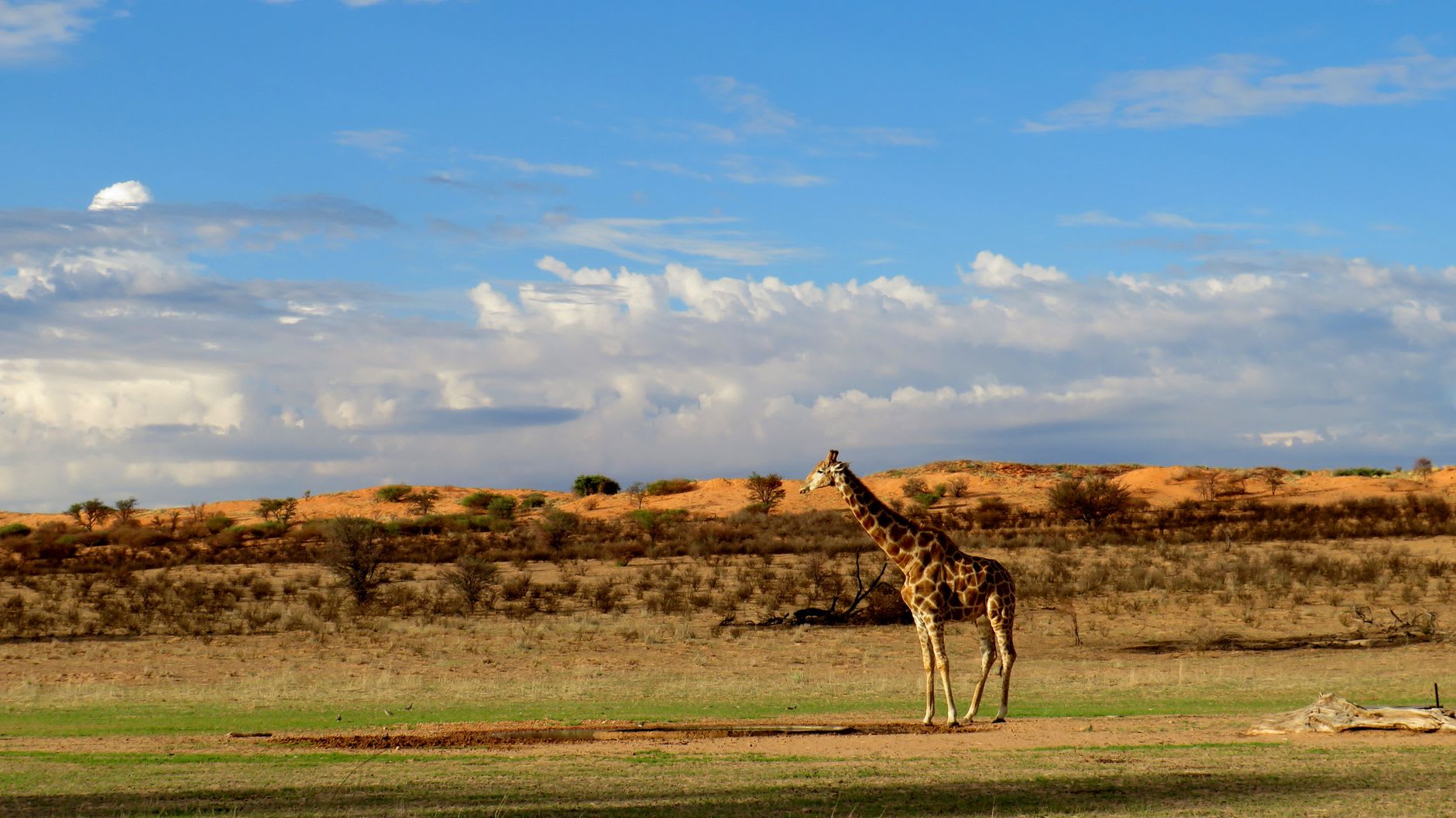
The shop at Twee Rivieren sells cold drinks, braai wood, basic provisions, and — crucially — information. Staff update a whiteboard twice daily with recent sightings, and while I had complicated feelings about the gamified quality of the board, it also functions as a collective memory of the park’s wildlife patterns. Talk to the long-term campers — the South African families who return every year and have accumulated decades of Kgalagadi knowledge — and the information becomes richer and more specific, full of the particular knowledge that only comes from patient repetition.
When to go: May through August for the cool dry season and best game concentration around waterholes. Twee Rivieren is accessible in a standard 2WD vehicle on the sealed road from Upington; the wilderness camps further in require a 4x4. Book well in advance through SANParks — the park fills months ahead for the school holiday windows in June, July, and December.