Yakushima
"Yakushima's moss is so dense and so green that the forest floor feels like it belongs to another planet entirely."
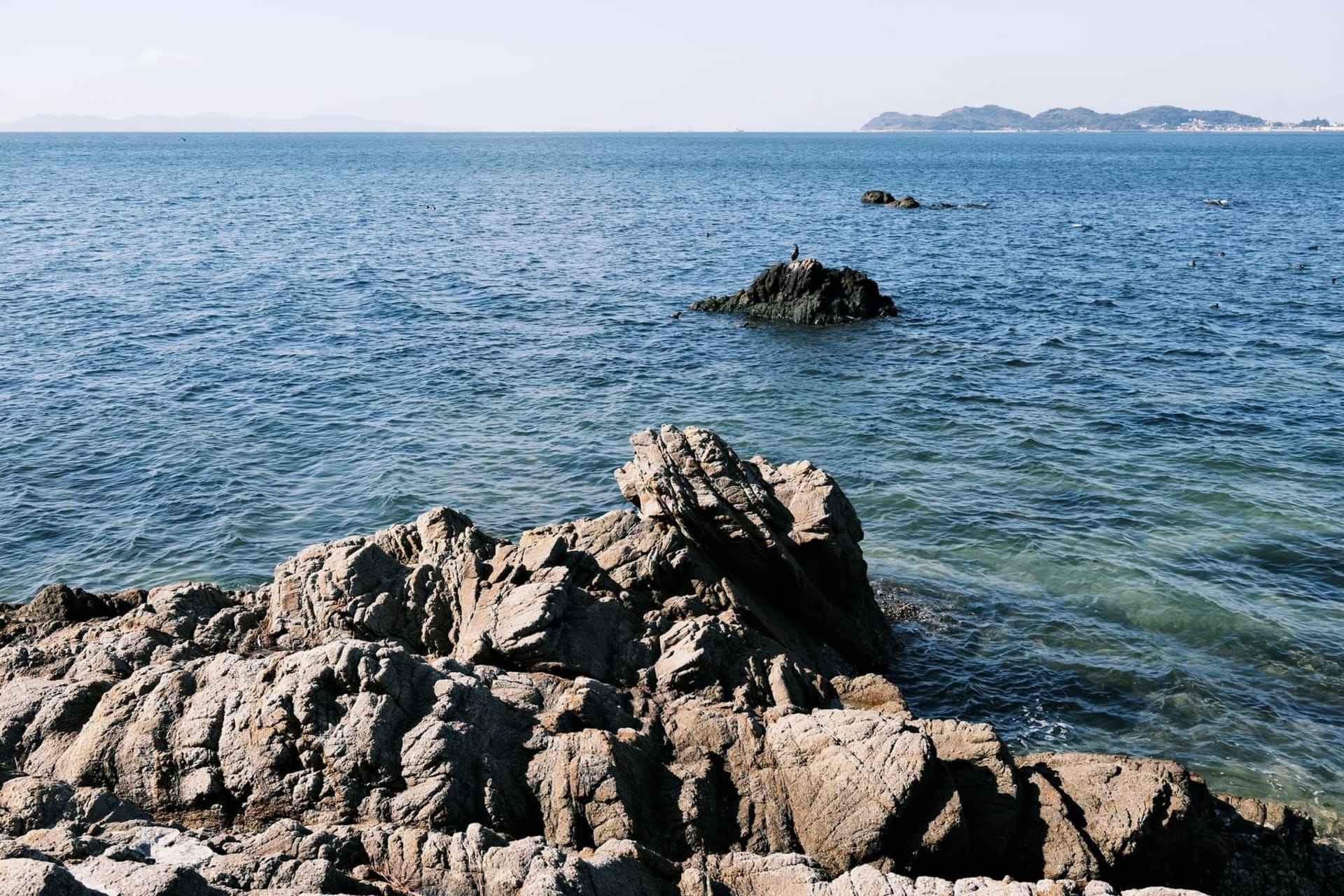
The ferry from Kagoshima takes two hours across the East China Sea, and by the time Yakushima comes into view — a dark mass of mountains rising directly from the water, cloud-wrapped, improbably steep — the humidity is already different. Thicker. Greener, somehow, even in the air. The island receives more rain than almost anywhere in Japan, which is to say: more rain than almost anywhere on earth. It is not a destination you visit for the weather. You go because of what the weather has built.
Lia read me a fact from her guidebook as the ferry docked at Miyanoura Port: the yakusugi cedars in the island’s interior — the oldest, tallest trees — are measured in thousands of years. The ones that have survived more than a millennium are given individual names. We were about to walk among trees older than France.
Into the Shiratani Unsuikyo Ravine
The trail into Shiratani Unsuikyo begins near the park entrance and climbs gently through a world that does not look real. Every surface is covered in moss — not a thin dusting of it, but thick, pillowed, architectural moss that swallows boulders whole and wraps itself around cedar roots until the roots look like the backs of enormous green animals sleeping under the ground. The light, filtered through a canopy so dense it forgets about the sky, comes out soft and directionless, the colour of old glass.
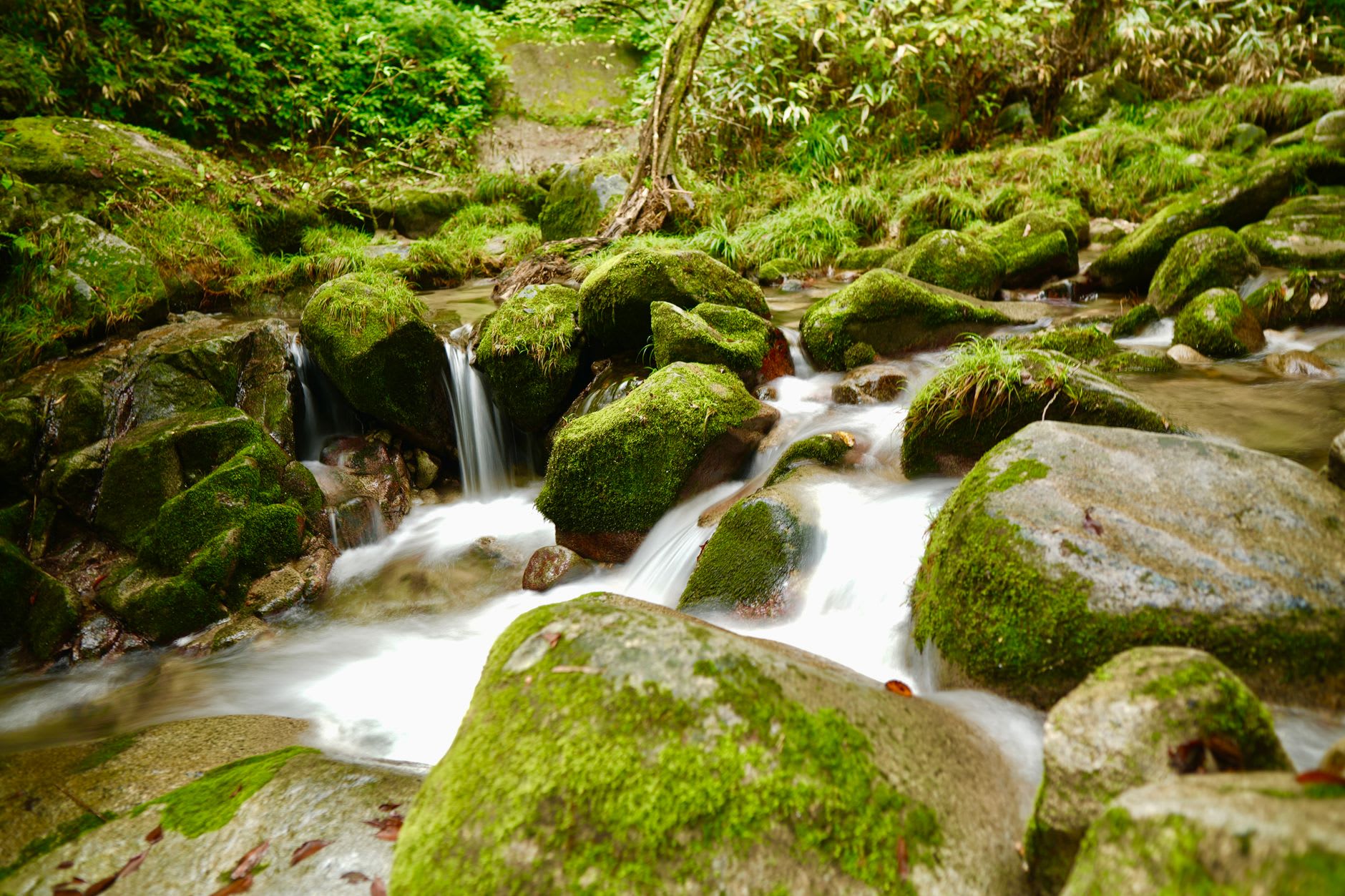
The sound of the place caught me off guard. I had expected silence. What I found was the opposite — the ravine is full of moving water, streams running under and between mossy boulders, and the combined noise of the forest is a kind of low, constant roar. Rain had fallen the night before, and every surface was wet, and the whole forest was exhaling. Miyouga cedar and oak and hemlock dripped steadily. The path itself was a soft carpet of root and earth that absorbed footsteps entirely. We walked for twenty minutes before either of us said anything.
This is the forest that Hayao Miyazaki’s team came to study before making Princess Mononoke. You understand the film differently after standing inside its source material. The forest spirits — the kodama — are not so much an invention as a translation: the forest does feel inhabited by something, some quality of attention in the light and the silence that is not quite a presence but is not nothing either.
The Discovery I Did Not Expect
An hour up the trail, we came to a section of the ravine called Taiko-iwa — a flat granite outcrop above the treeline where the forest opens suddenly onto sky. We had not read about it. The path simply emerged from under the canopy without warning, and there we were, standing on bare rock above the cedars, looking out across a valley of unbroken green all the way to the grey shimmer of the sea.
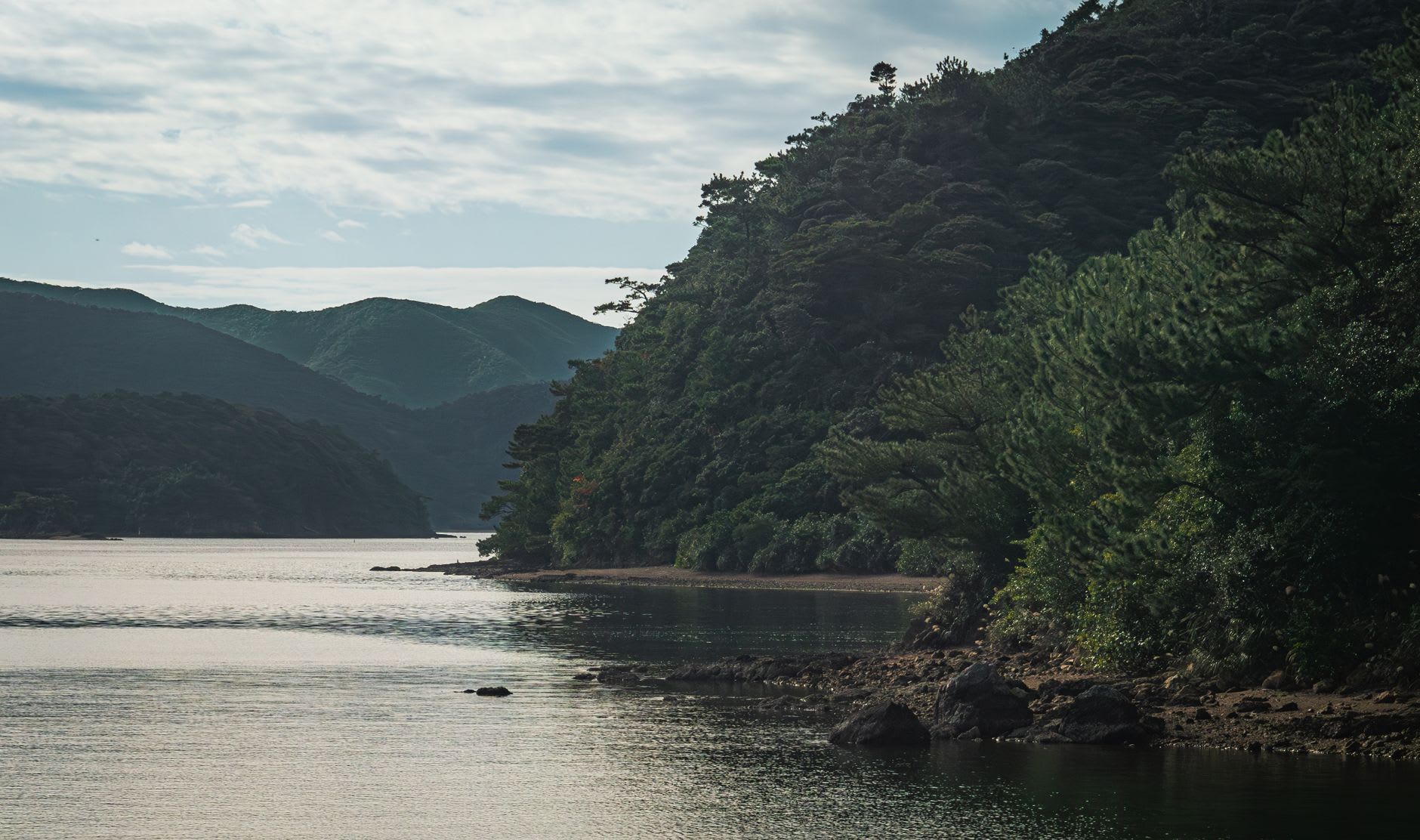
I had been so absorbed in looking down — at the moss, the roots, the streams — that I had forgotten the island had edges. The sky came as a genuine shock. We sat on the rock and ate onigiri from the convenience store in Miyanoura and watched the clouds move across the mountain ridges and said nothing for a while because there was nothing useful to say.
Jomon-sugi and the Weight of Time
The full hike to Jomon-sugi — the oldest accessible cedar on the island, estimated at between three and seven thousand years old, the range itself a kind of humility before a number too large to be certain — is a ten-hour round trip and not one to attempt casually. We hired a guide, a soft-spoken man from Yakushima town who had made the walk more times than he could count and who pointed out, without drama, a tree that had been alive when the Egyptian pyramids were under construction.
Jomon-sugi is vast in a way that photographs fail to convey. The trunk is wider than a small house, corrugated and split and healed and split again, covered in so many layers of moss and lichen that the original bark is somewhere underneath all of it, unreachable. You cannot touch the tree — the viewing platform keeps you at a respectful distance — and the distance is correct. This is not a thing to put your hand on. It is a thing to stand in front of and let the number settle through you. Three thousand years. Maybe seven. The tree was already old when the concept of Japan was young.
On the trail back, my guide stopped at a smaller yakusugi and crouched down beside one of its roots, where the wood had split and a knot of grain was exposed. He pointed to the tight rings inside — the cedars here grow slowly, he said, because of the cold and the altitude, and the slow growth is what makes the wood so dense and so resistant to rot. The oldest trees are old precisely because they grew slowly. I wrote that down in my notebook and have thought about it several times since.
After the Forest
Back in Miyanoura, we ate tororo gohan — grated mountain yam over rice, a Yakushima specialty, with pickles and miso — at a small restaurant called Shizenkan near the port, the kind of place with wooden tables and no English menu and a woman running the kitchen alone. It was the best meal we ate on the island, which is not surprising. The best meals in Japan are almost always in rooms like that.

The island stays with me not as a landscape but as a quality — the specific heaviness of a place where the light is always green, where every surface is alive with something growing on top of something else, where the oldest things refuse to die. I have been in old forests before. Yakushima is the only one where the forest felt like it was looking back.
When to go: March through June for lush moss and manageable temperatures before the full summer humidity. September and October offer cooler hiking conditions and fewer crowds than peak summer. Typhoon season runs July through September — check forecasts carefully. Whenever you go, bring waterproof layers; the forest is always wetter than you expect.