Yamaga
"A thousand tiny flames, moving in slow circles, balanced on the heads of women who never once looked up."
A Kumamoto hot-spring town best known for a summer night when a thousand dancers move slowly through the dark with paper lanterns balanced on their heads, each one a small gold flame. By day it keeps a beautifully preserved Meiji-era playhouse and baths of silky, odourless water.
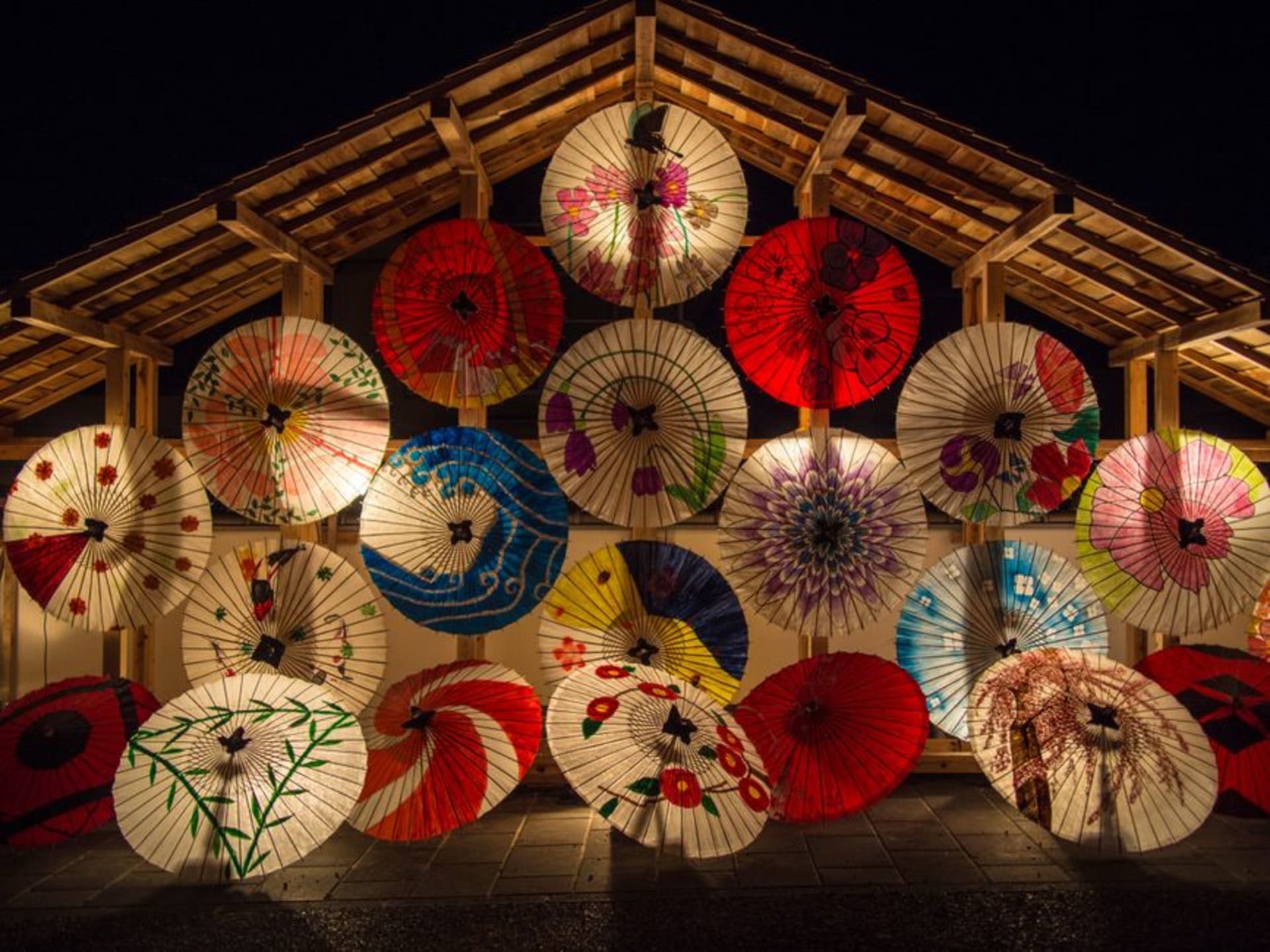
We planned our whole route through Kumamoto around one night in Yamaga, and I’m glad we did. The Yamaga Tōrō Matsuri happens in mid-August, and when we arrived the town was already humming, the streets strung with paper. After dark we found a spot along the route and waited, and then they came: hundreds of women in pale summer yukata, each balancing a gilded paper lantern — a tōrō, shaped like a little shrine — on her head, lit from within by a single flame. They moved in slow synchronised circles to a haunting folk song, and the effect was of a river of gold light flowing through the black streets. Lia had her hand over her mouth. A thousand tiny flames, moving in slow circles, balanced on heads that never once tipped or looked up. I have seen a lot of festivals. I had not seen that.
The lantern dance
The lanterns are the town’s craft as much as its festival — made entirely of washi paper and glue, no wood or wire, so light that a full one weighs almost nothing on a dancer’s head. At the Yamaga Tōrō Mingeikan museum we saw them up close: intricate models of shrines and castles, gold and impossibly delicate, and watched a maker fold and paste with tweezers and infinite patience. It gave the previous night’s spectacle a new weight, knowing each of those floating golden shrines had been built by hand from paper and would be given, in the old tradition, as an offering. We bought a tiny one, and it sits on a shelf at home, still catching the light.
Yachiyo-za, the old playhouse
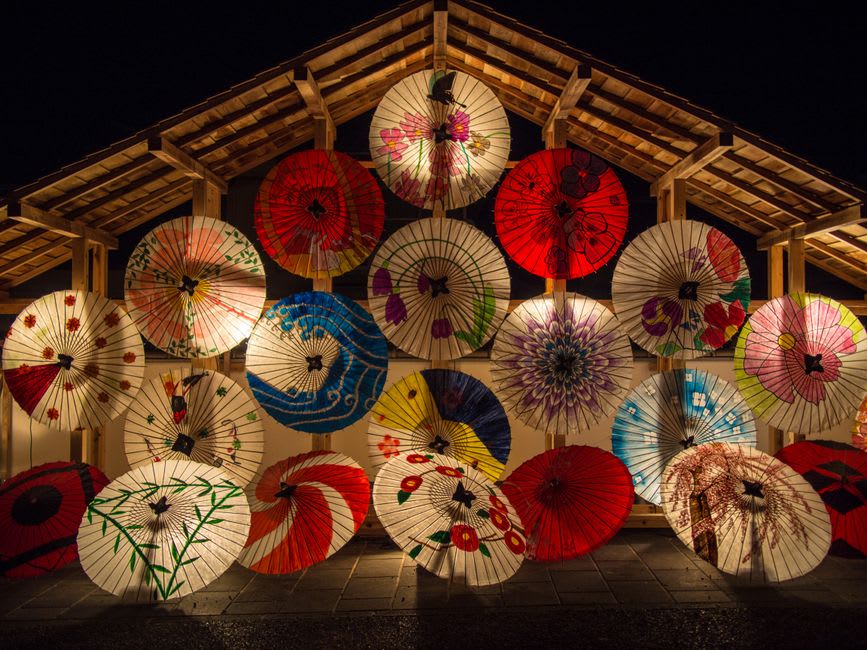
By daylight the town’s treasure is the Yachiyo-za, a wooden kabuki theatre built in 1910 and lovingly restored. We took the guided tour and were let to wander the whole building — up into the wooden gallery, and, best of all, down beneath the stage into the naraku, the cellar where stagehands once turned the revolving stage and worked the trapdoors entirely by hand. Standing under the great wooden mechanism, looking up at the hand-painted advertisements ringing the ceiling above the seats, you feel the theatre as a machine built of muscle and timber. Lia spun the revolving stage a quarter-turn with the guide’s blessing, and grinned like a child. Occasionally the Yachiyo-za still hosts performances; we weren’t lucky enough to catch one, but the empty theatre had its own quiet magic.
The silky waters
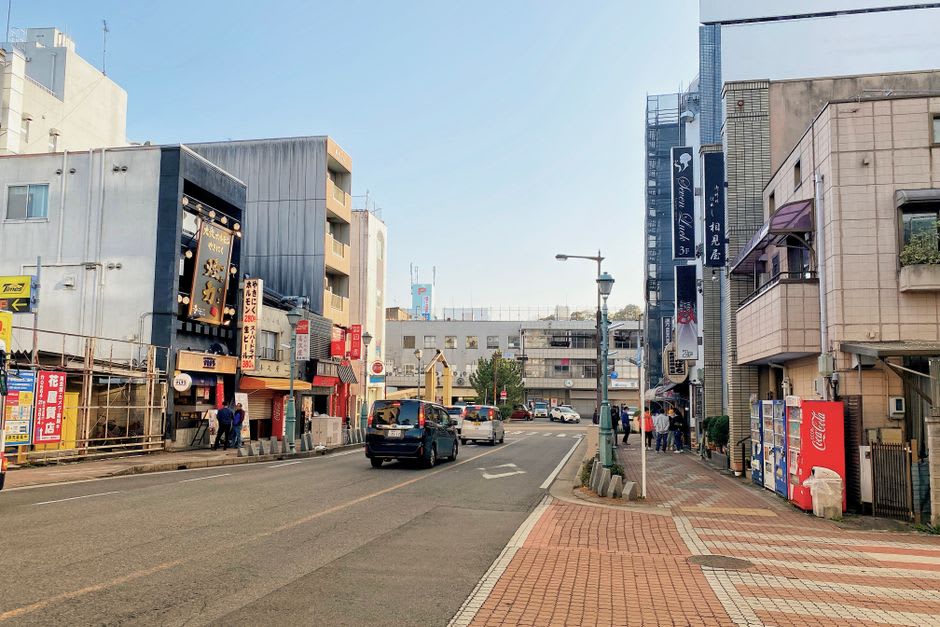
Yamaga is, underneath all the pageantry, an old onsen town, and its water is the gentle kind — clear, faintly alkaline, odourless, and so soft it leaves the skin feeling almost slippery. We soaked at the Sakura-yu, a handsome reconstructed public bathhouse in the town centre with a grand tiled hall, where the water has drawn travellers for centuries. Afterwards, pink and loose-limbed, we walked the evening streets eating grilled rice balls and watching the low sun catch the old shopfronts. There’s a completeness to a day that ends in an onsen — the festival, the theatre, the bath — and Lia said as much, wrapped in the towel, before falling asleep before nine.
Getting There
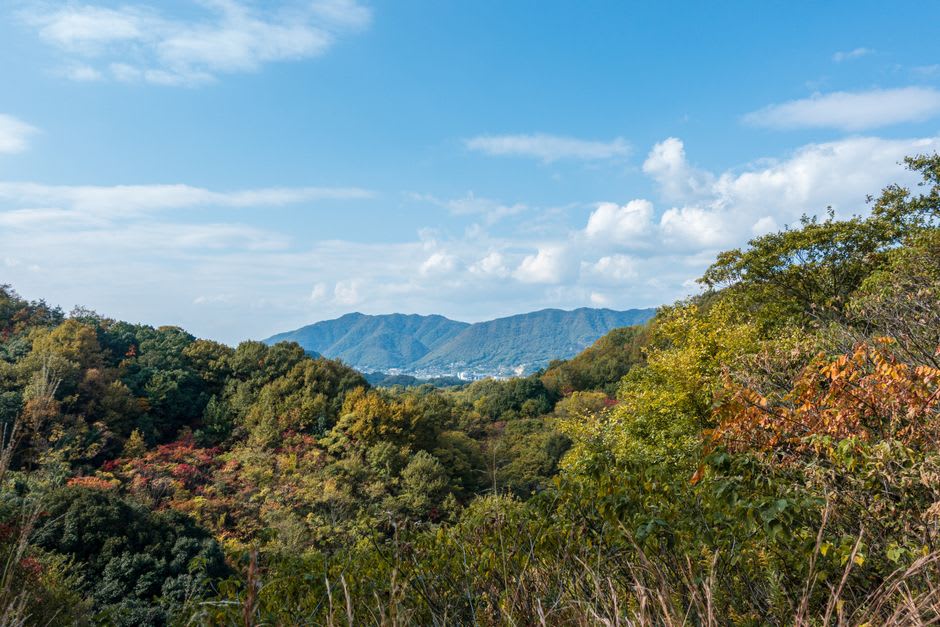
Yamaga sits in the north of Kumamoto Prefecture, on Kyūshū, inland between Kumamoto city and Fukuoka. There’s no train station in Yamaga itself, so the usual approach is by bus — around an hour from Kumamoto city, or reachable from the Shinkansen stop at Shin-Tamana — or, most freely, by car. The town centre with the Yachiyo-za theatre, the lantern museum and the Sakura-yu baths is compact and walkable. If you can possibly time it, come for the Tōrō Matsuri around the fifteenth and sixteenth of August; book a room months ahead, because the whole region converges on those two golden nights.
Keep exploring
More of Kyūshū & Okinawa