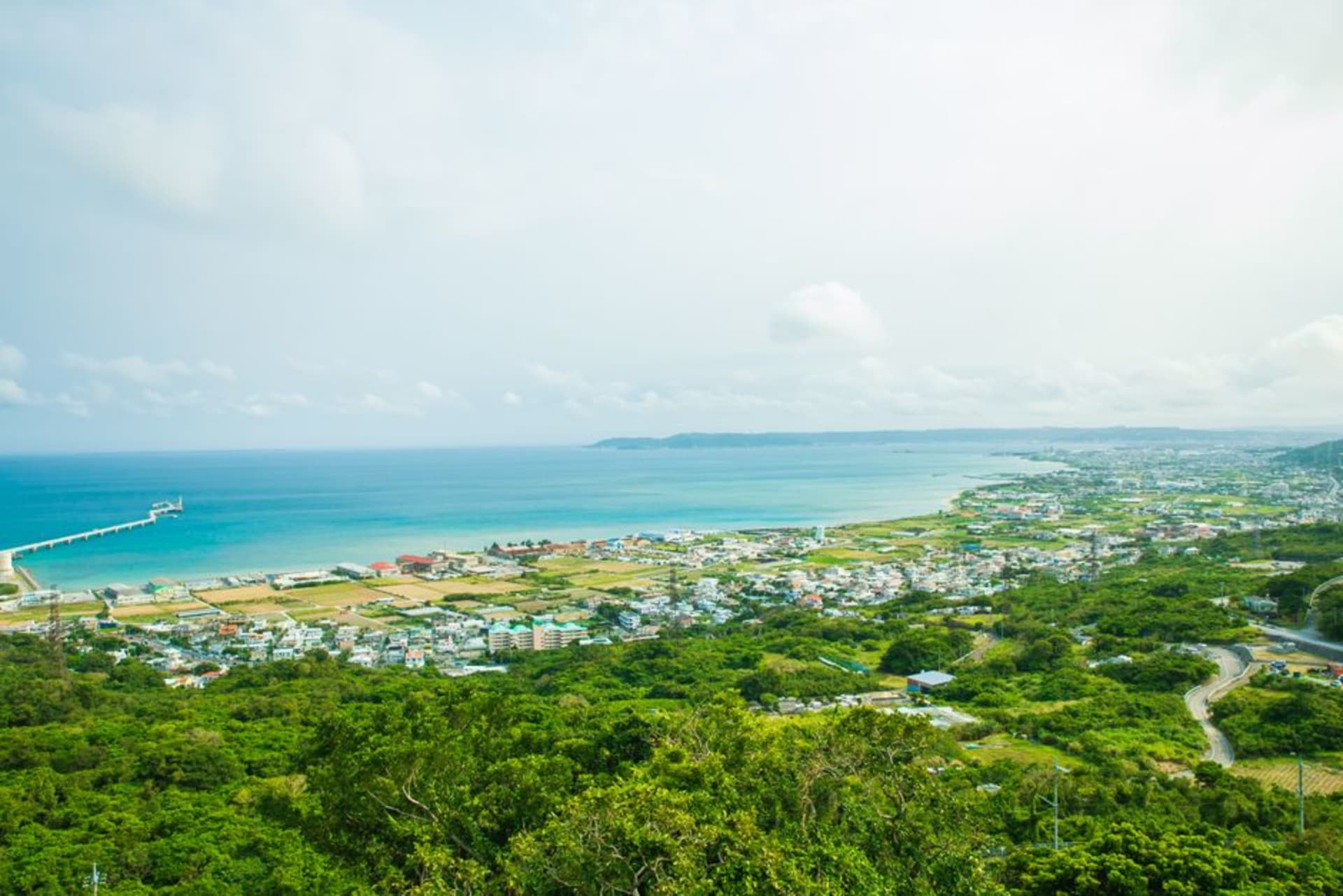
Miyakojima
"The water wasn't one blue. It was every blue, and it didn't seem legal."
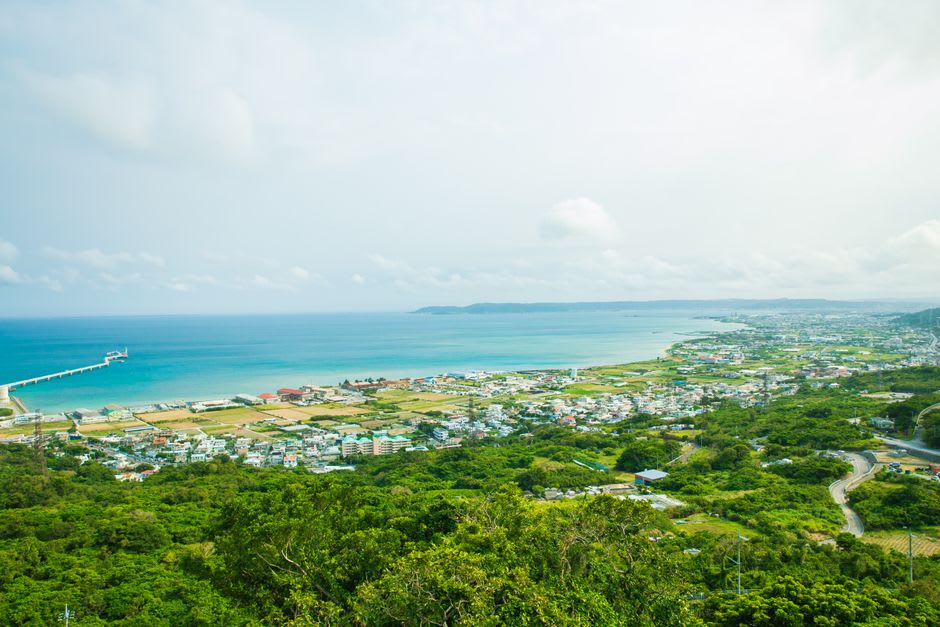
A flat coral island adrift in the Okinawan blue, ringed by beaches so bright they look edited and stitched to its neighbours by long, low bridges over impossible water. Miyakojima is snorkelling, sugarcane, and the particular slowness of island time. We slowed down, and it slowed us further.
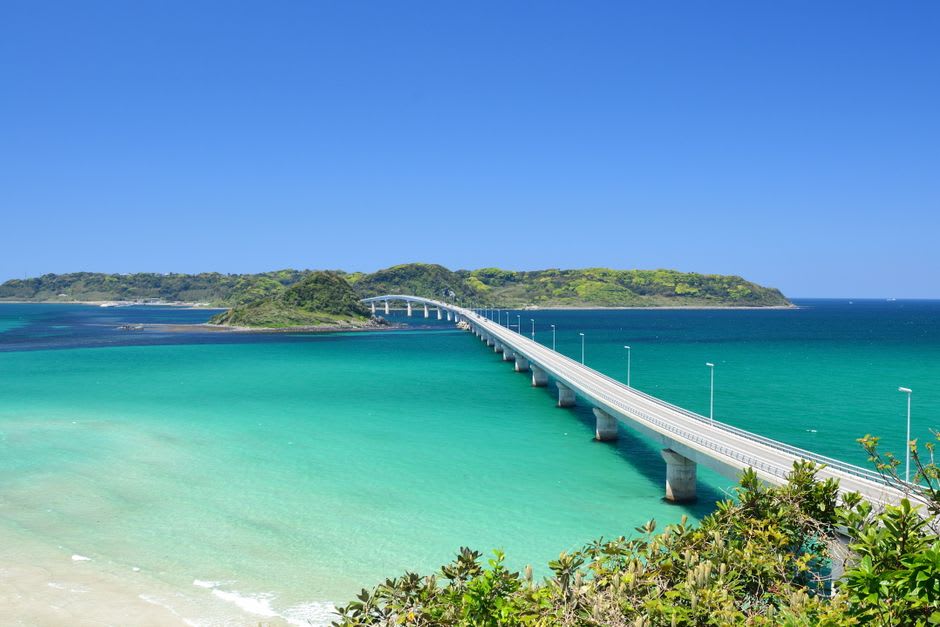
I have run out of honest words for the colour of the water around Miyakojima, so I’ll just tell you what happened. We drove out onto the Irabu Bridge — nearly three and a half kilometres of low white road laid across the sea to the next island — pulled into a lay-by, and got out, and Lia laughed out loud. Below us the water went from pale mint at the sandbars to a deep jewel blue over the channels, banded and glowing, so clear we could see the shadow of the bridge on the seabed. It is the longest toll-free bridge in Japan and easily the most beautiful road I have driven. We stayed there far too long, letting cars pass, saying nothing useful, just looking. Some places overpromise. This one, if anything, is undersold.
The Bridges and the Beaches
Miyakojima is flat, which sounds like a criticism and isn’t. It means the island is ringed with beaches instead of cliffs, and stitched to its smaller neighbours by these astonishing sea-crossing bridges. We spent days doing very little else but moving between beaches. Yonaha Maehama, a seven-kilometre arc of white sand often called the finest beach in Japan, where the shallows stay warm and gentle. Sunayama, reached by scrambling over a dune, with its natural rock arch framing the sea. The Higashi-Hennazaki cape, a long green finger of land with a lighthouse at the end and water on three sides. We were not efficient tourists. We were sunburnt and happy and slightly stunned by all of it.
Under the Surface
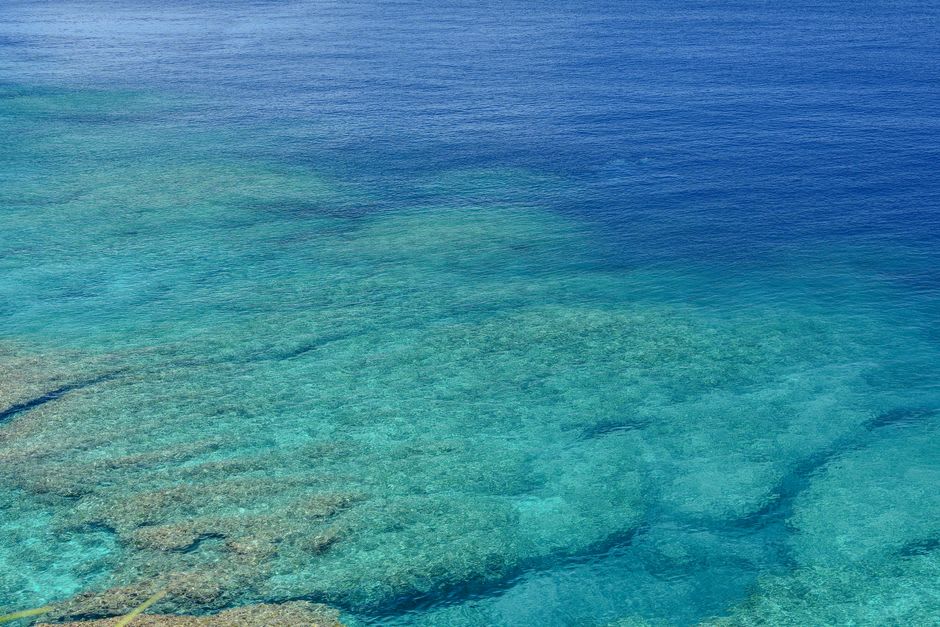
The real Miyakojima, though, is the part you have to get wet to see. The coral here is alive and close to shore, and you don’t need a boat or a certificate to reach it — we snorkelled straight off the beach at Yoshino and Aragusuku on the island’s east side and swam into clouds of fish within minutes. Parrotfish, angelfish, the occasional sea turtle rising for air with unbothered dignity. Lia, who had been nervous in open water, found her nerve here in the calm shallows and refused to come out until her fingers pruned. Further out, divers come for the underwater caves and arches, but you don’t need to go deep. The reef starts where the sand ends. Float face-down over it and the island reveals its actual purpose.
Sugarcane and Slow Time
Between the beaches, the island’s interior is quiet fields of sugarcane, rustling and green, and small towns where nothing hurries. Okinawa keeps its own pace, gentler and warmer than the mainland’s, and Miyakojima keeps it more slowly still. We drank awamori, the fierce local rice spirit, cut with water and ice at a tiny bar where an old man played sanshin, the three-stringed Okinawan lute, and sang songs we couldn’t follow and loved anyway. We ate Miyako soba, drank shikuwasa juice sharp as a slap, and learned to say a slow good evening. The island doesn’t perform its culture for you. It just lives at its own tempo and lets you fall into step. By our last night we had, completely.
Getting There
Miyakojima has its own airport with direct flights from Naha on the Okinawan main island (under an hour) and seasonal connections from Tokyo and Osaka. There is no train and barely any bus worth relying on — rent a car at the airport, because the island’s joy is the freedom to drift between beaches and out along those bridges on your own clock. Book accommodation and cars well ahead in summer; the island is small, beloved, and fills up. Come for longer than you think you need. Miyakojima is not built for a rushed visit, and it will quietly resist one.
Keep exploring
More of Kyūshū & Okinawa