Fukuoka
"A city that seems to have organized its entire evening around one perfect bowl of ramen."
Kyūshū's biggest city, and its most relaxed. Riverside food stalls, bowls of rich Hakata ramen, a beach within reach of downtown, and an appetite that seems to run the whole place.
We arrived in Fukuoka tired and a little wary, having heard nothing about it except that it was big, and left three days later convinced it was the easiest city in Japan to simply be happy in. It doesn’t announce itself the way Kyoto or Tokyo do. There is no single monument you cross the country to see. What Fukuoka has instead is a mood — unhurried, salt-aired, faintly southern — and an obsession with food that borders on civic religion. Lia noticed it first: how, walking through the Hakata district in the late afternoon, half the conversations we overheard seemed to be about where to eat next. The city sits on the northern coast of Kyūshū, closer to Seoul than to Tokyo, and something about that edge-of-the-map position has left it looser and warmer than the great cities of Honshū. We fell for it almost immediately.
The Yatai on the River
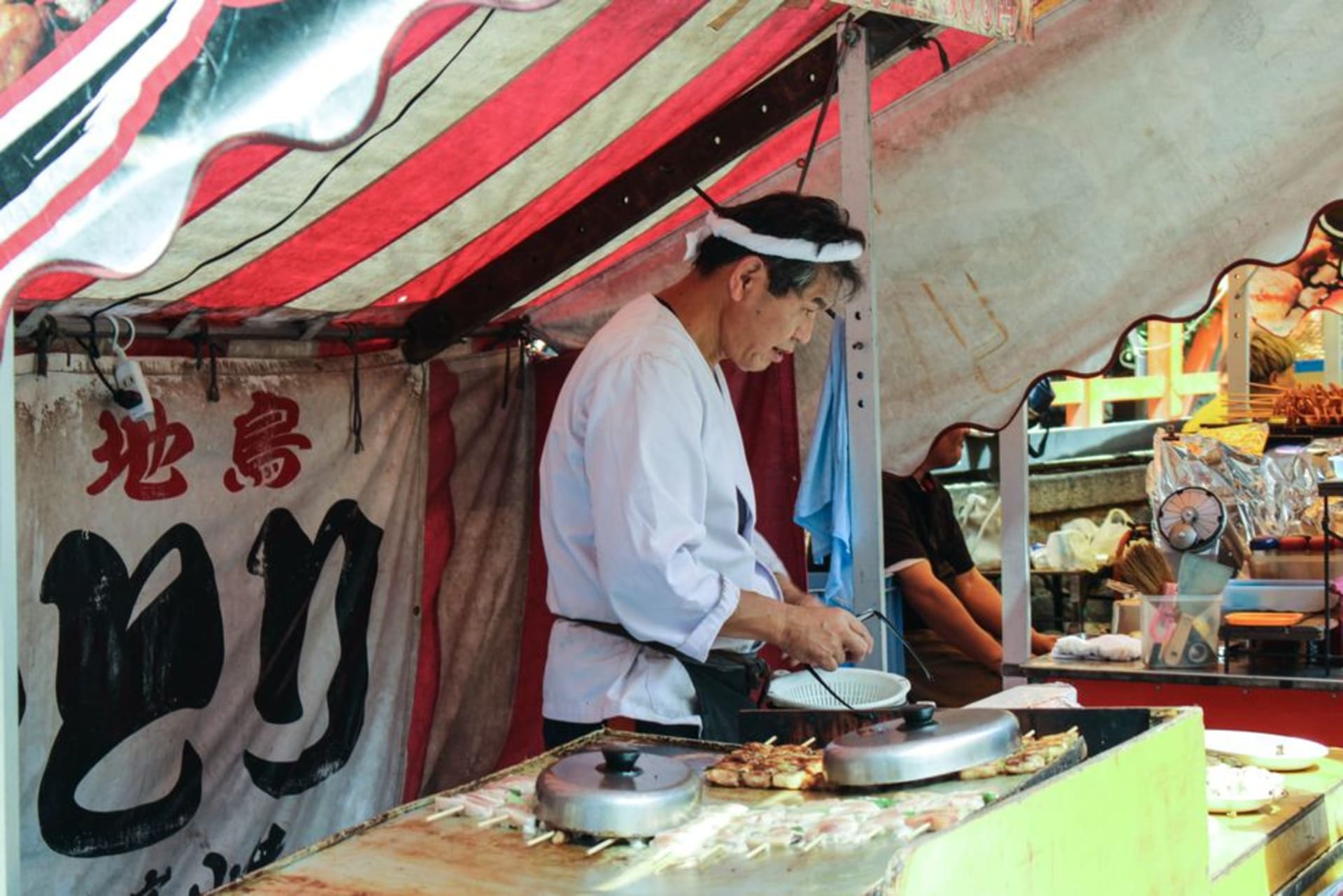
The thing you come to Fukuoka for, whether you know it yet or not, is the yatai — the open-air food stalls that unfold along the streets and riverbanks at dusk. Nowhere else in Japan keeps this tradition alive at such scale. As the light went, we watched dozens of them appear along the Naka River near Nakasu, each a little cart with a canvas roof, a counter for maybe eight people, and a cook working an arm’s length away.
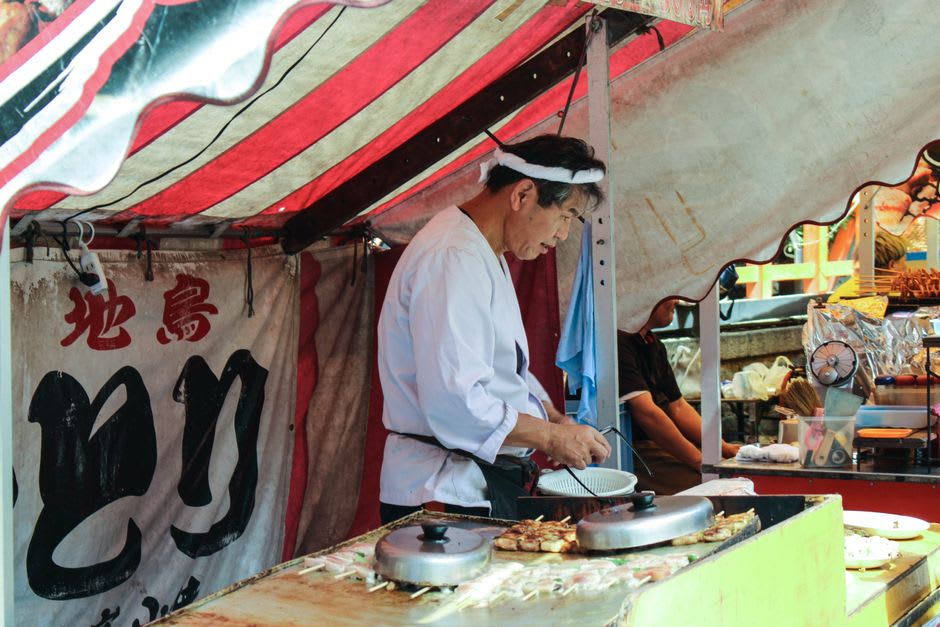
We squeezed onto two stools at one selling Hakata ramen and motsunabe, and the man beside us — a salaryman on his own, tie loosened — insisted we try the offal hotpot before we left the city. You share elbows with strangers at a yatai; there is no pretending otherwise, and the closeness is the point. Lia, who claims not to like talking to people at dinner, spent an hour trading broken phrases with a retired schoolteacher two stools down. By the time we paid we had three recommendations for the next night and a standing invitation to a festival we’d never make.
A Bowl of Hakata Ramen
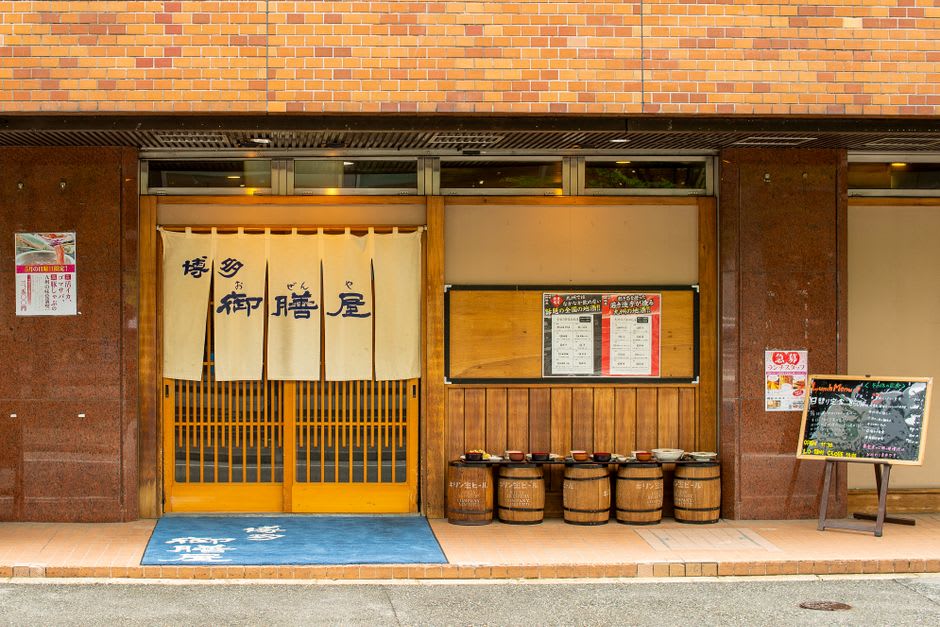
Fukuoka is the birthplace of tonkotsu ramen — the milky, long-simmered pork-bone broth that has since conquered the world in thinner imitations. Here it is the real thing, cloudy and rich, poured over thin straight noodles you order to your own firmness. We ate it everywhere: at a famous shop with a queue down the block, and at a nameless counter near our guesthouse that turned out to be better.
The ritual I loved was the kaedama — when you’ve finished the noodles but broth remains, you call out for a second helping of noodles, dropped fresh into what’s left. Lia did this twice and regretted nothing. The broth is so full it coats the spoon, and eating it at a counter at eleven at night, the cook wordlessly refilling my water, I understood why people in this city plan their days around it.
Beaches, Temples, and Slow Mornings
Fukuoka isn’t only appetite. We spent a bright morning at Ōhori Park, a wide lake ringed by a walking path in the middle of the city, joggers and old men with cameras and a heron standing perfectly still. Nearby, the ruins of Fukuoka Castle give you the one proper hill in town and a view over the rooftops to the sea.
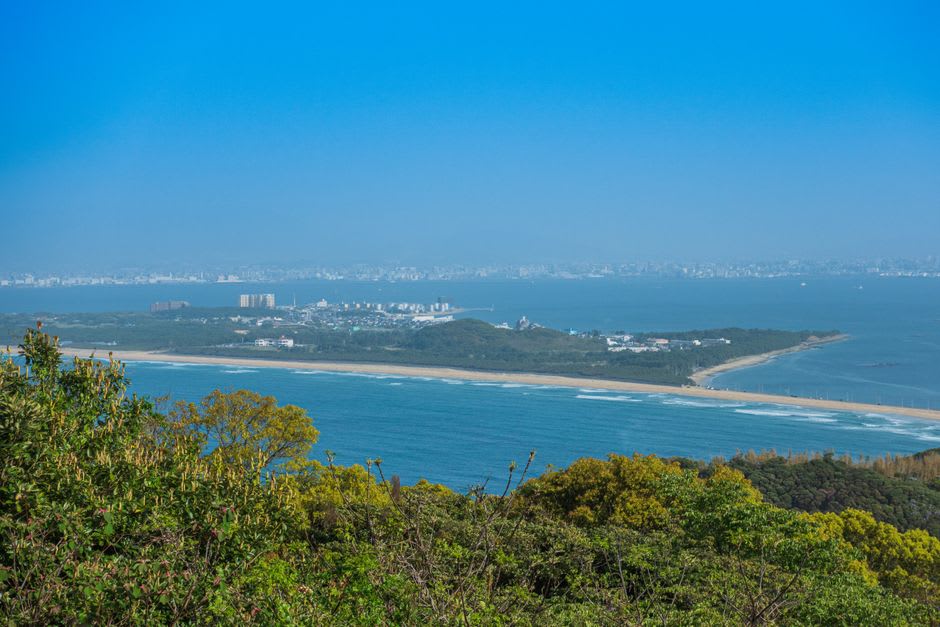
On our last afternoon we took the train out to Momochi, where the city meets a genuine beach, and sat on the sand watching families and paddleboarders while Fukuoka Tower caught the light behind us. It is not a dramatic coast, but there was something disarming about a major city that lets you end the day with your feet in the sea. We ate grilled fish at a stall on the way back and agreed we’d underestimated the whole place badly.
Getting There
Fukuoka is Kyūshū’s main gateway and about the easiest big Japanese city to reach. The Sanyō Shinkansen runs straight into Hakata Station from Osaka in around two and a half hours and Hiroshima in about an hour. Fukuoka Airport is remarkable for sitting just two subway stops from downtown — five minutes from plane to city center, which almost feels like a trick. Within the city the subway covers most of what you’ll want, and the yatai, the ramen counters, and the park are all walkable from the Hakata and Tenjin districts. Ferries also run from here to the smaller islands of the bay, and to Busan in South Korea, if the map tempts you further.
Keep exploring
More of Kyūshū & Okinawa