Koya-san
"Koya-san's lantern-lit cemetery at midnight is the most peaceful place I have ever been afraid of."
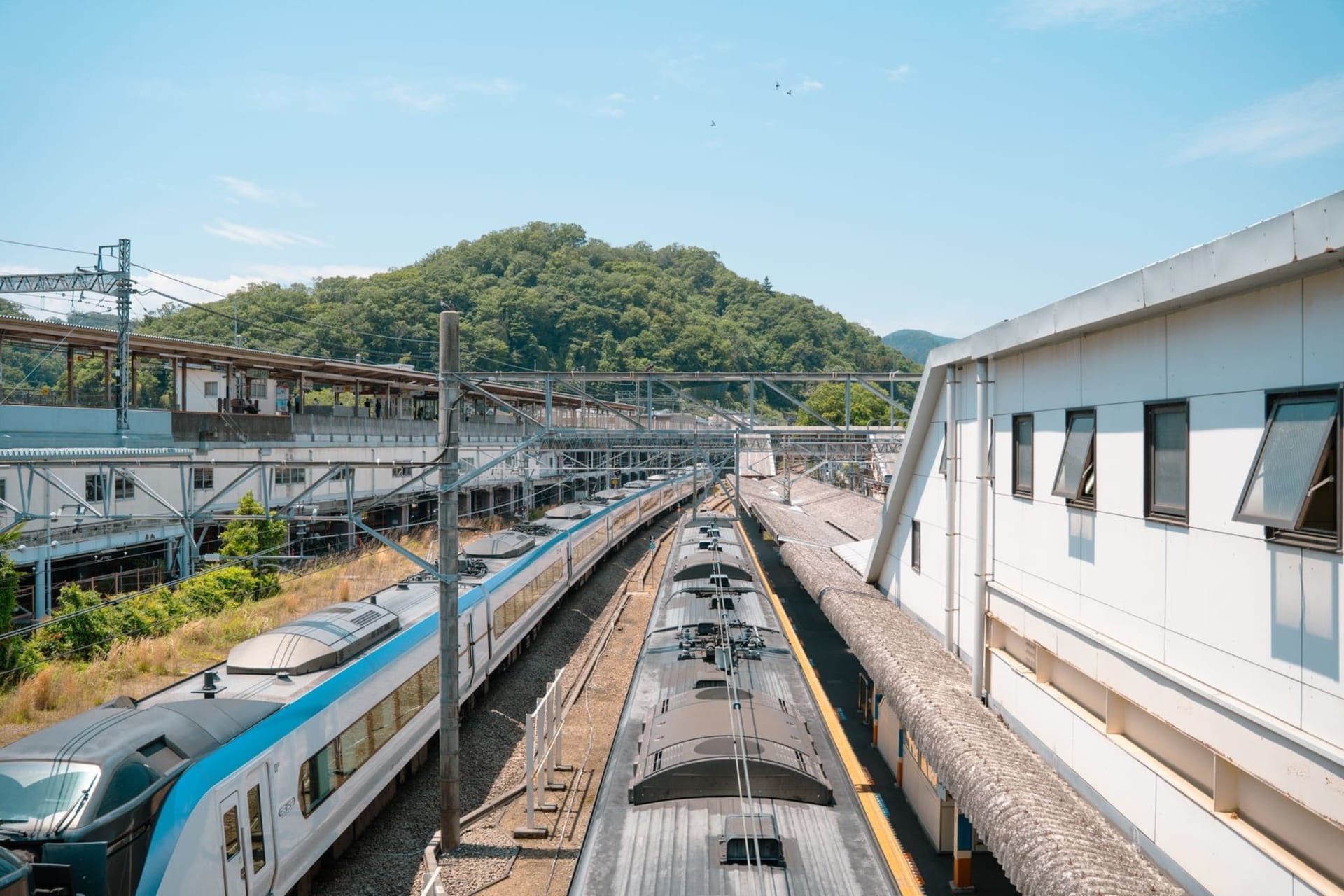
The train stops at Gokurakubashi and the cable car does the rest — a near-vertical climb through dense cedar that blocks out the sky before the town materializes at 900 meters above sea level, suspended between ridges like something that shouldn’t exist. Koya-san doesn’t announce itself. It simply appears: wooden temple gates, the smell of cedar resin and incense, a cold that has nothing to do with the season.
Sleeping Inside the Practice
We stayed at Shojoshin-in, one of the fifty-odd shukubo — temple lodgings — that take guests in along the town’s quiet lanes. The room was bare in the way that feels considered rather than poor: tatami, a scroll painting of Kobo Daishi, a single ceramic cup. Before dawn, a monk rang a bell somewhere in the corridors and I woke without quite knowing why, pulled on my yukata and followed the sound to the main hall where morning prayers were already underway. Chanting that entered the chest more than the ears. I stood at the back and did not feel like a tourist.
Breakfast was shojin ryori — the vegetarian cuisine developed by Shingon Buddhist monks over centuries. Sesame tofu that dissolved before I expected it to. Pickled plum so sour it reset something in my face. Miso with tiny cubes of tofu floating in it like pale planets. Lia photographed her tray before touching anything. I understood the impulse.
The Cemetery at the Edge of Sleep
Okunoin is the largest cemetery in Japan and I cannot explain what it is like to walk its two-kilometer stone path at midnight under lantern light without sounding like I am exaggerating. Roughly 200,000 graves and grave markers stretch into the forest on both sides, the oldest stones so moss-covered they have lost their edges and returned to something resembling rock. The lanterns — thousands of them — hang in the hall at the innermost sanctuary where Kobo Daishi is said to remain in eternal meditation. The light they cast is amber and alive.
What I did not expect was the sound. Or the absence of it. At midnight, it is so quiet you can hear your own heartbeat and the distant drip of water off cedar boughs. I had expected solemn. I had not expected tender.
Getting the Timing Right
The town sits above the cloud line often enough that Koya-san in autumn — late October into November — offers something absurd: crimson maple against the grey cedars and wisps of cloud moving below you through the valley. Spring is quieter and colder. Summer brings school groups. Go in autumn or early spring if solitude matters.
When to go: Mid-October to mid-November for autumn color and crisp air; late March to early April for quiet spring mornings with almost no crowds and occasional snow lingering on the cemetery stones.