
Takarazuka
"An all-women cast played the swaggering prince better than any man could, and the whole hall wept. So did I, a little."
A hot-spring town on the Muko river that turned itself into a stage, home of the dazzling all-female Takarazuka Revue and the museum of the man who drew Astro Boy. It is bright, theatrical, and unashamedly joyful. We arrived skeptical and left humming show tunes we didn't know.
I’ll admit I didn’t want to go. A day of musical theatre was Lia’s idea, not mine, and I got on the train to Takarazuka with the mild resentment of a man being improved against his will. Then the show started — a hundred years of tradition, an all-female company playing every role, the “male” leads in their tailored coats striding the stage with a charisma I genuinely couldn’t explain — and about twenty minutes in I caught myself leaning forward. By the finale, with the feathered staircase descent and the whole company in sequins, I had a lump in my throat I was too proud to mention until Lia squeezed my hand and said, “You cried.” I had. Takarazuka does that. It aims straight for the heart and does not miss.
The Takarazuka Revue
The Revue was founded in 1914 by a railway magnate who wanted to draw passengers to the end of his line, and the idea — an all-female musical theatre company — became a national institution. The Grand Theater is enormous and gorgeous, and the productions are lavish beyond reason: European romances, Japanese historical epics, glittering revue finales with staircases and boas. The otokoyaku, the actresses who specialise in male roles, command a devotion that’s hard to describe until you witness it — the fans, overwhelmingly women, know every gesture. What struck me was the sincerity of the thing. There’s no wink, no irony; it commits totally, and that commitment is exactly what makes it land. Book ahead, dress a little, and surrender to it. Resistance, as I learned, is futile and slightly embarrassing.
The Osamu Tezuka Museum
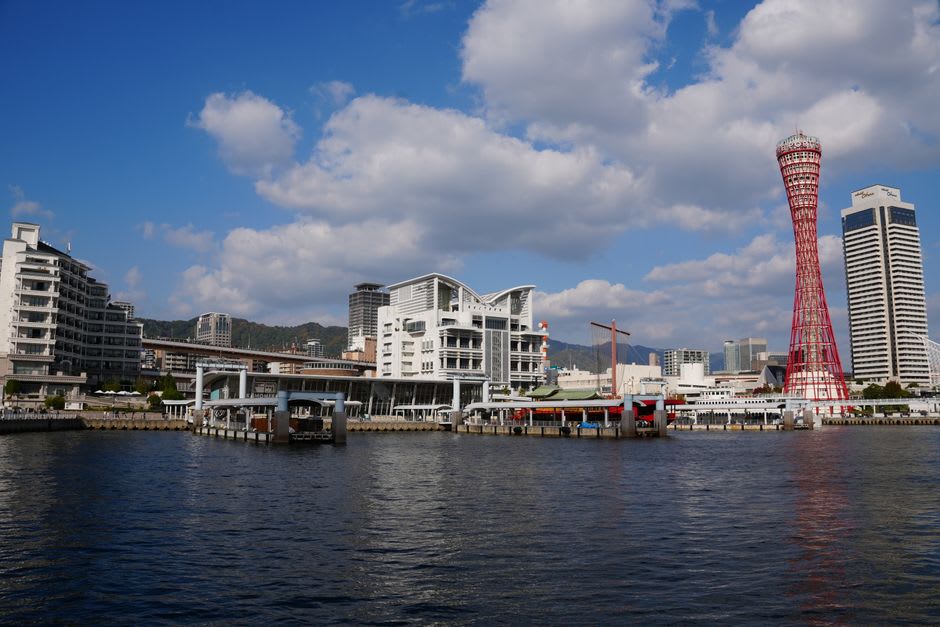
The other pilgrimage in town is to Osamu Tezuka, the “god of manga,” who grew up in Takarazuka and cited the Revue’s glamour as an influence on his art. The museum devoted to him is a bright, generous place — full-size figures of Astro Boy at the entrance, walls of original artwork, a library where you can pull his volumes off the shelf and read. Lia grew up on Kimba the White Lion without knowing it was his; I grew up on the sheer strangeness of his line. We spent longer there than planned, watching a short animation in the small theatre and lingering over drawings that reminded me how much modern comics owe one man. It’s the kind of museum that sends you out wanting to draw something, badly, immediately.
The Muko River and the Onsen
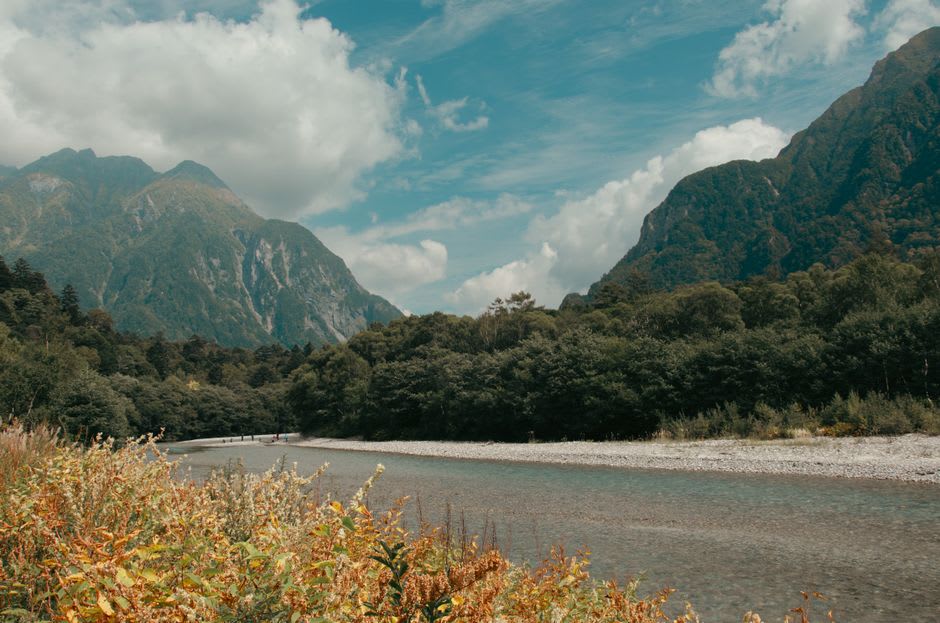
For all its theatre, Takarazuka began as a hot-spring resort, and the Muko river runs right through the middle of it, splitting the town into its two halves and giving the whole place an airy, open feel. We walked the riverside promenade between the theatre and the museum, crossing on a broad bridge with the water running clear below and the hills soft behind the rooftops. The town’s onsen heritage is still here in a few bathhouses, and after a day on our feet we soaked away the ache in hot mineral water while the evening came down. There’s a lightness to Takarazuka you don’t find in the temple towns — it exists to delight, and it’s completely unapologetic about it. We ended the day eating cake by the river, still humming.
Getting There
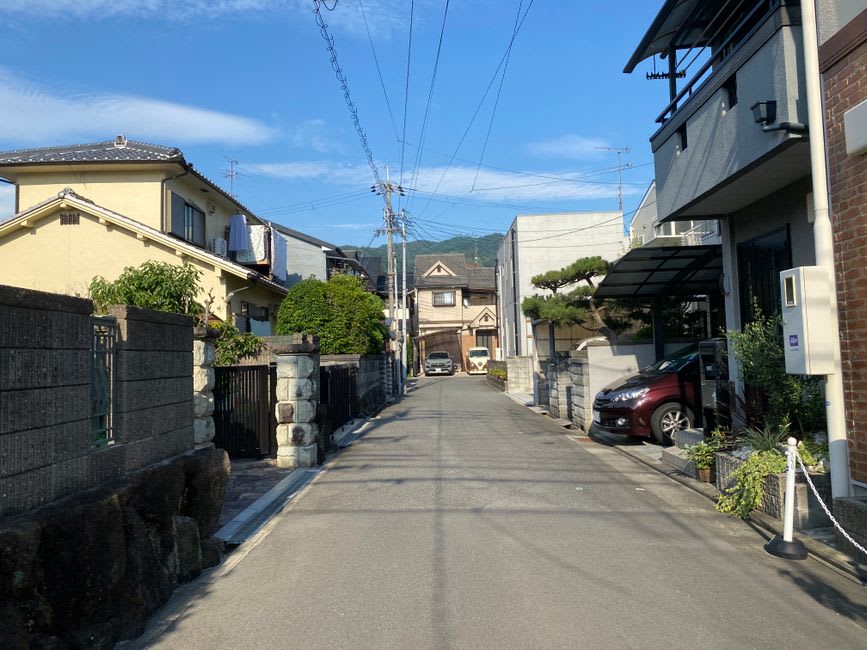
Takarazuka is an easy hop from Osaka, in Hyōgo prefecture just north of the city. The Hankyū Takarazuka line runs direct from Osaka-Umeda in around thirty-five minutes, and JR’s Takarazuka line reaches it too; both stations sit a short walk from the Grand Theater across the Muko river. The Tezuka museum is right beside the theatre. Check the Revue’s schedule before you go and buy tickets in advance, as popular runs sell out. It makes a bright, easy day trip — and pairs naturally with nearby Kobe or Arima Onsen if you want to build a fuller loop.
Keep exploring
More of Kansai