
Sado Island
"The ferry pulled away from the mainland and Lia said it felt like we were leaving Japan for somewhere older. In a way, we were."
A large, rugged island off the coast of Niigata, wilder and slower than the mainland it faces. It holds the ruins of a great gold mine, the thunder of Kodō taiko drumming, terraced rice fields above the sea, and old women who still fish from round wooden tub boats.
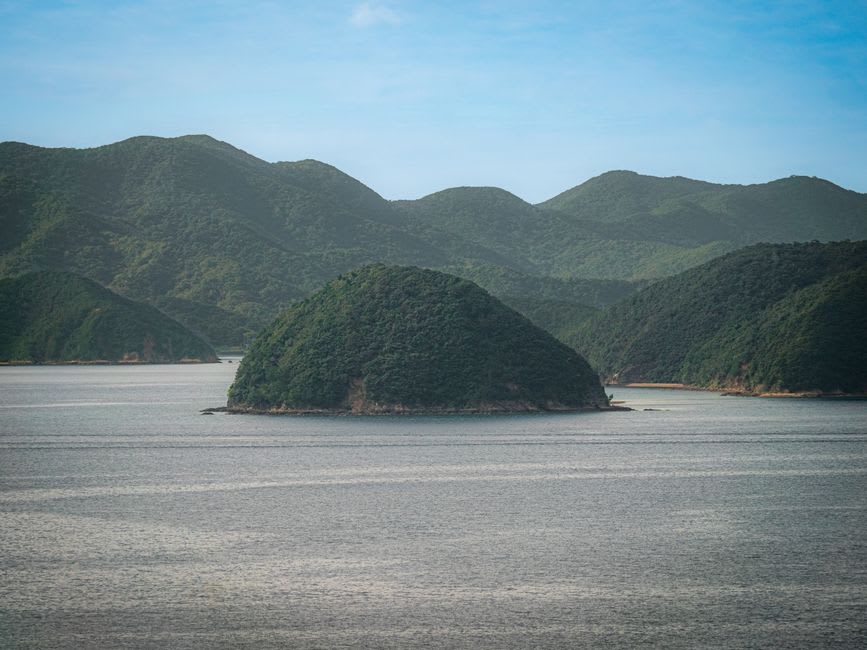
Sado is far enough offshore that getting there feels like a decision rather than a detour, and that is exactly why we went. Lia and I took the ferry out of Niigata across a grey, heaving stretch of the Sea of Japan, and by the time the island’s dark hills rose out of the haze ahead of us the mainland was long gone behind, and something had already shifted. Sado is big — the largest island in the sea, once a whole province, once a place of exile for emperors and poets and monks who had displeased the court, and that long strange history of banishment and gold and isolation has left it with a culture all its own. It is slower here, and older, and emptier. Rice terraces climb straight from the shore, the roads run for miles between nothing, and the whole island carries the salt and the melancholy of a place at the edge of things.
The gold mine at Aikawa
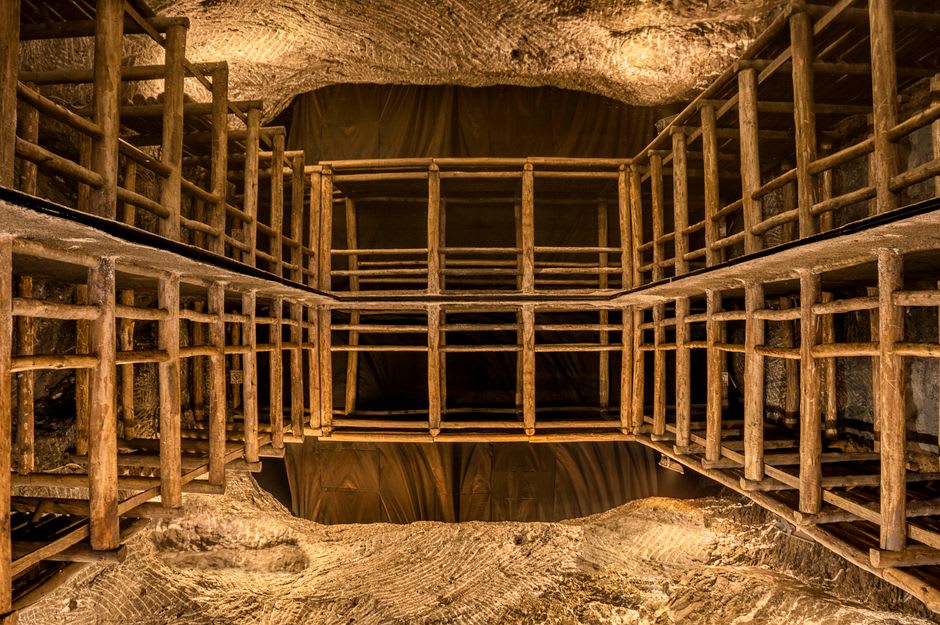
Sado’s fortunes, quite literally, were made underground. For nearly four centuries the mines at Aikawa produced gold and silver that helped finance the shoguns, and the scale of the digging split an entire mountain — Dōyū-no-Warito, a peak literally cleft in two by hand, its V-shaped notch visible from far off, hacked open by generations of miners. Lia and I walked the old tunnels, cool and dripping, where mechanical figures now re-enact the brutal labour of the Edo miners, many of them convicts and vagrants shipped over and worked to death. It is a heavy place, for all that it is a museum now. But standing on the mountain above, looking at that terrible cloven summit and out to the sea beyond, I felt the whole weight of the island’s past in a way no shrine had given me.
The old mining town of Aikawa, once one of the largest settlements in Japan, is now a quiet scatter of houses down the hillside, and the contrast between what it was and what it is says everything about Sado.
Kodō drums and tub boats
Sado’s isolation preserved its arts as fiercely as Gokayama’s did further south. The island is the home of Kodō, the taiko drumming ensemble known the world over, who train here in an old schoolhouse and whose great drums, when struck, you feel in your chest before you hear — we caught a small performance and Lia gripped my arm at the first enormous beat, half-laughing, wholly startled. And down on the coast at Ogi we found the tarai-bune, the round wooden tub boats, descended from washing tubs, that island women have used for generations to gather shellfish and seaweed among the rocks. An old woman in a straw hat took us out in one, sculling the ungainly thing with a single oar and a flick of the wrist that we utterly failed to imitate when she let us try, spinning us in helpless circles while she laughed.
There is a whole calendar of festivals here too, drums and masked dances and lion dances in the villages through the warm months, the island keeping alive things the mainland let go of long ago.
Terraces, coast and slowness
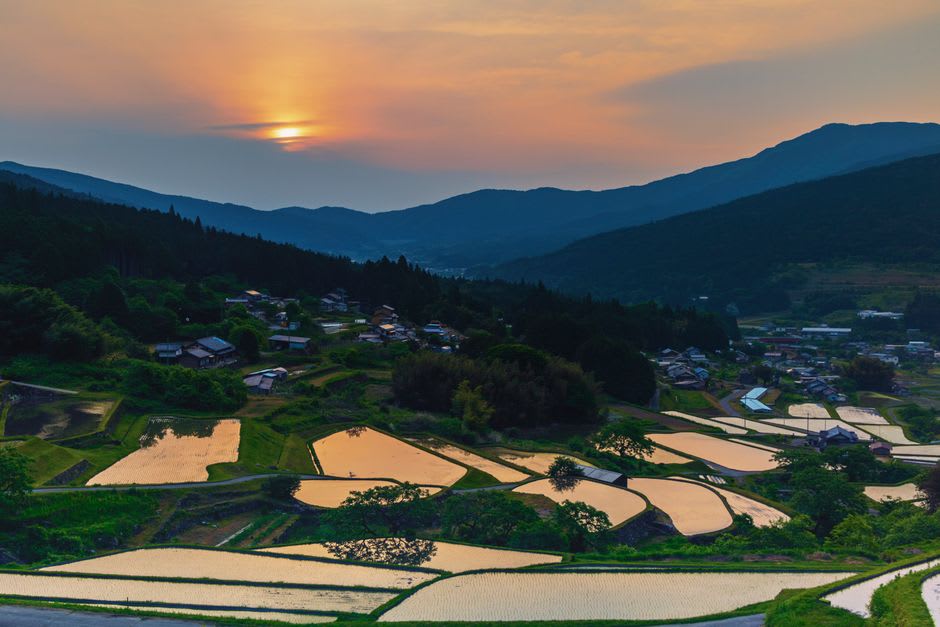
Mostly, though, what Sado gives you is space and time. We drove its coast roads for hours, past the famous rice terraces of Iwakubi Shōryū that step down the hillside in narrow green ribbons to the very edge of the sea, past fishing hamlets and empty beaches and headlands where the wind never stopped. At Senkaku Bay the cliffs drop sheer into water so clear you can see the rocks far below, and we took a little glass-bottomed boat out among them just for the pleasure of being on the water. In the evenings we ate the island’s astonishing seafood — Sado oysters, sweet shrimp, sea urchin pulled up that morning — in a near-empty guesthouse, and slept to the sound of the sea, and rose to a quiet so complete it was almost loud.
Getting There
Sado lies off the coast of Niigata prefecture, out in the Sea of Japan. Reach Niigata city by shinkansen from Tokyo, then cross by ferry from Niigata port — either the car ferry, which takes around two and a half hours to Ryōtsu, or the faster jetfoil in about an hour. The island is large and public transport is thin, so renting a car on arrival is by far the best way to see it. Come in the warm months, late spring through autumn, for the festivals, the tub boats and the terraces in full green; the winter crossing can be rough and much of the island slows to a halt.
Keep exploring
More of Chūbu