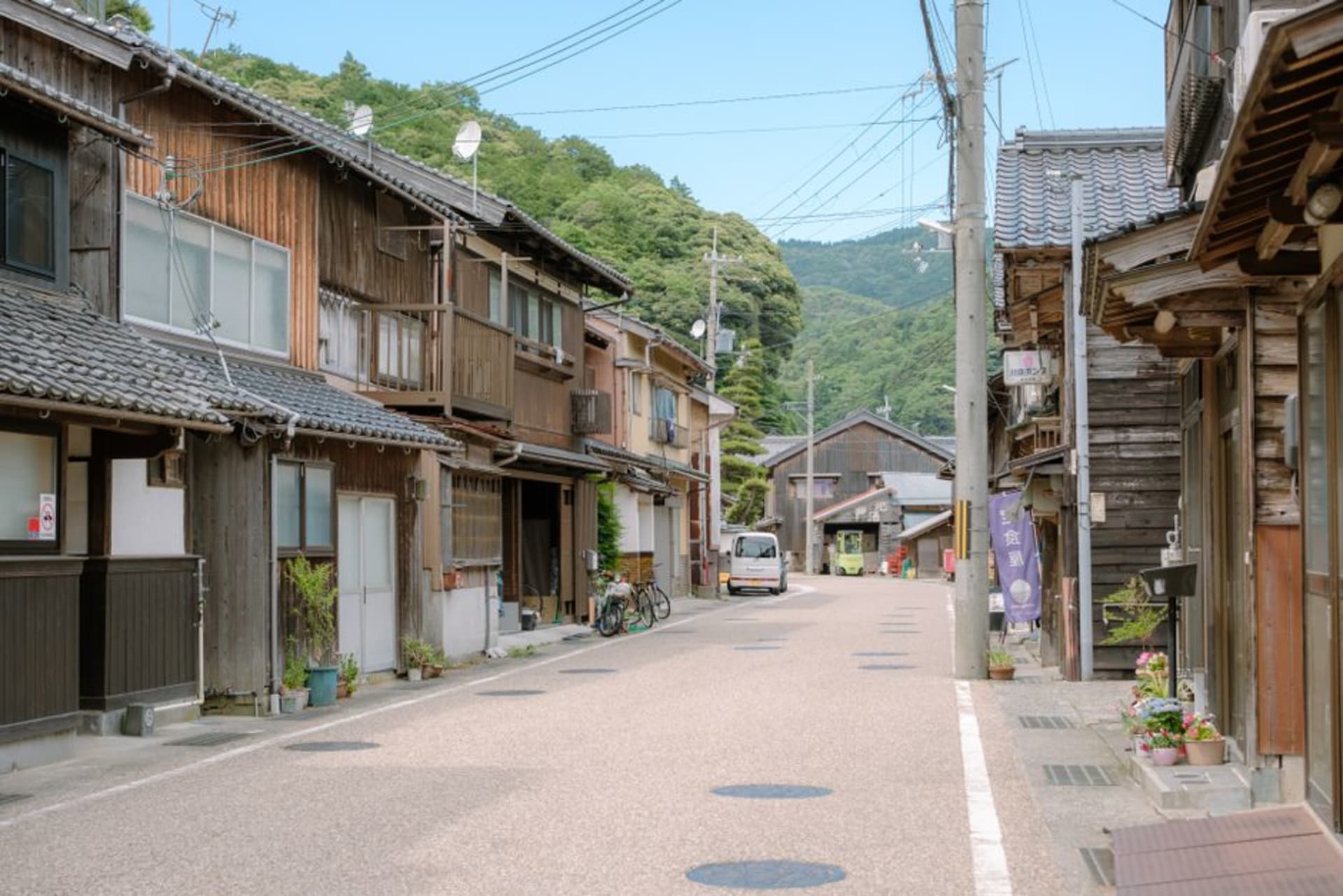
Obama
"A town that fed emperors, sells the country's prettiest chopsticks, and shares a name with a president — and wears all of it lightly."
A small bay town on the Fukui coast that once fed the imperial court, its old temple district full of secret Buddhas and its lacquered chopsticks flecked with mother-of-pearl. The mackerel roads to Kyoto started here, and the whole place still smells faintly of the sea and of cedar temple beams.
We came to Obama half for the joke. Yes, that Obama, the one that made international news for cheering on an American president who happened to share its name, and there are still faded banners about it if you look. But Lia had read that long before any of that, this quiet bay town was one of the places that fed the imperial court in Nara and Kyoto, sending salted mackerel over the mountains along roads that still bear the name. A town can hold a lot at once. We arrived on a slow afternoon train, the bay flat and silver outside the window, and the president was the last thing on our minds by the time we’d walked ten minutes.
The temple district and its hidden Buddhas
Obama’s real treasure is spread across the hills in a scatter of old temples, some of them holding statues so precious they’re only unveiled once in a generation. We spent a morning walking between them, from the vermilion of Myotsuji with its elegant three-storey pagoda to smaller halls where a monk slid open a wooden shutter to show us a Buddha carved a thousand years ago, its gilt worn to warm brown by centuries of candle smoke. Lia has a way of standing very still in these places. I watched her more than the statues, honestly, the light coming sideways through the cedar posts, and thought that some kinds of quiet you can only find in buildings people have prayed in for a very long time.
Chopsticks and lacquer
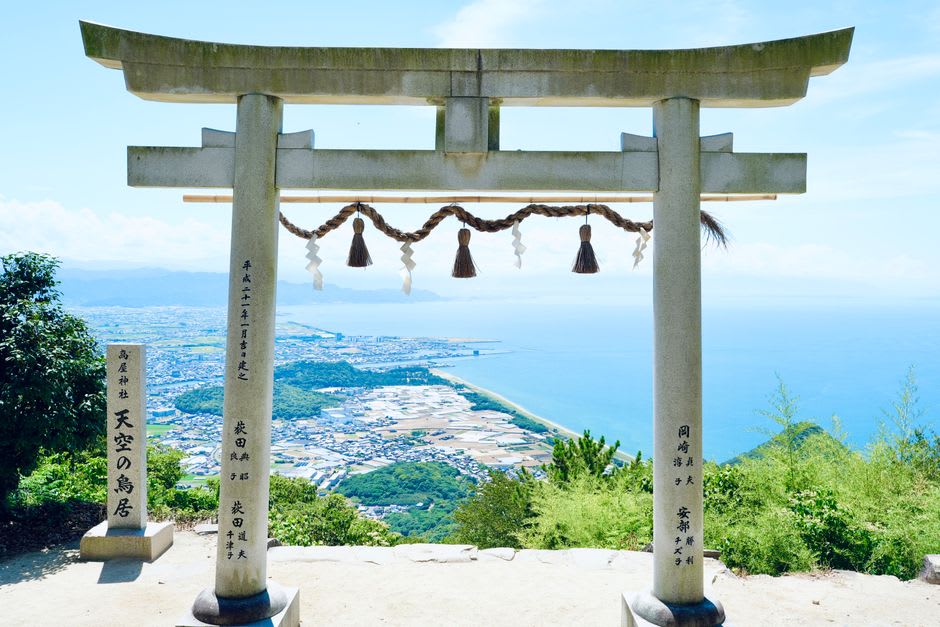
Obama makes a startling share of Japan’s lacquered chopsticks, the good ones, inlaid with flecks of shell that catch the light. We ducked into a workshop where a woman showed us the technique: layer after patient layer of lacquer over crushed mother-of-pearl, then sanded back to reveal the pattern beneath, like polishing down to a secret. I tried the sanding under her supervision and produced something lumpy and honest that she praised too kindly. Lia’s came out beautiful, of course. We bought a pair each, hers and mine, and they’ve survived the whole trip and every meal since, still throwing little rainbows across the table when the sun hits them.
The mackerel road
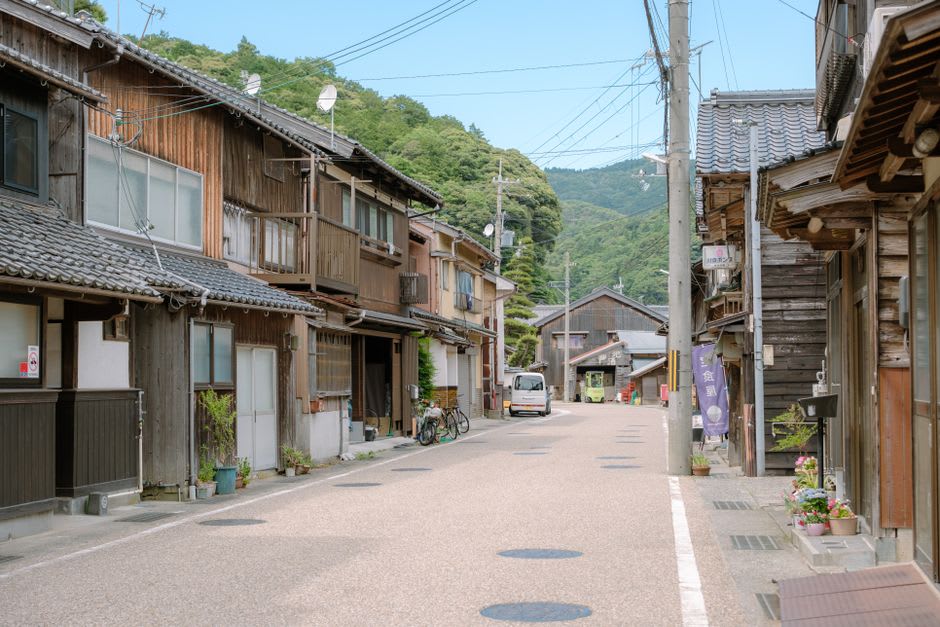
Before refrigeration, salted mackerel from Obama was carried on foot over the mountains to Kyoto, a journey of a day and a night along what became known as the Saba Kaido, the mackerel road. The fish arrived perfectly cured by the time and the salt, and Kyoto’s cuisine grew up around it. We ate grilled mackerel at a tiny counter near the harbour, the skin blistered and the flesh rich, and the old cook told us with obvious pride that his family had been doing exactly this longer than anyone could quite remember. Afterwards we walked the start of the old road as it climbed out of town, just far enough to imagine the porters, the salt, the whole quiet economy of taste that once flowed from this little bay.
Getting There
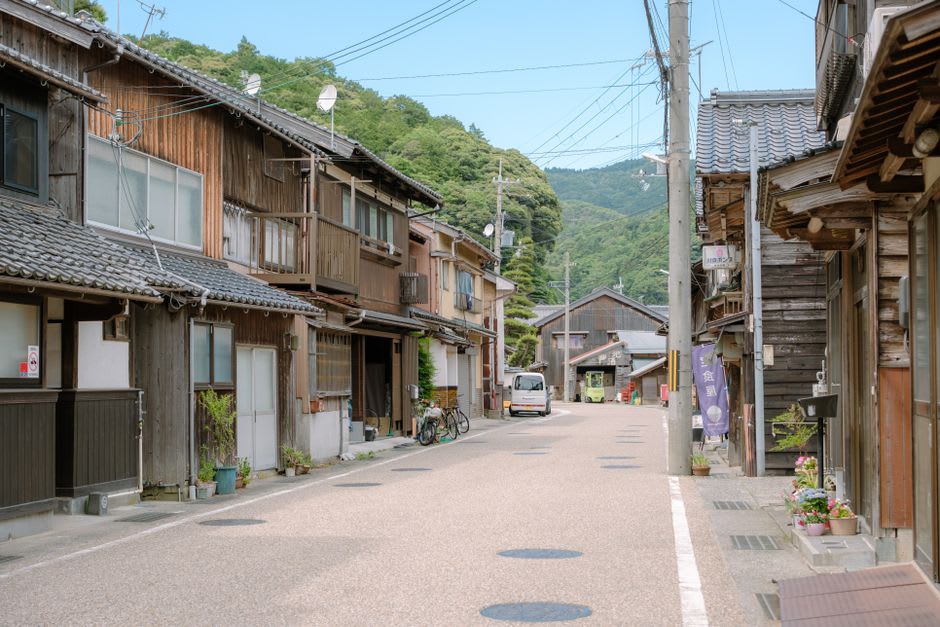
Obama lies on the Sea of Japan coast of southern Fukui Prefecture, on the JR Obama Line. The most scenic approach is from Kyoto via Tsuruga, or across the mountains from the Kansai side; from Kyoto the trip runs a bit over two hours by train, retracing more or less the old mackerel road. The temples are spread across the hills, so rent one of the town’s bicycles at the station to link them, or take the local loop bus. Give Obama an unhurried day, and try the mackerel where the locals do, down by the harbour.
Keep exploring
More of Chūbu