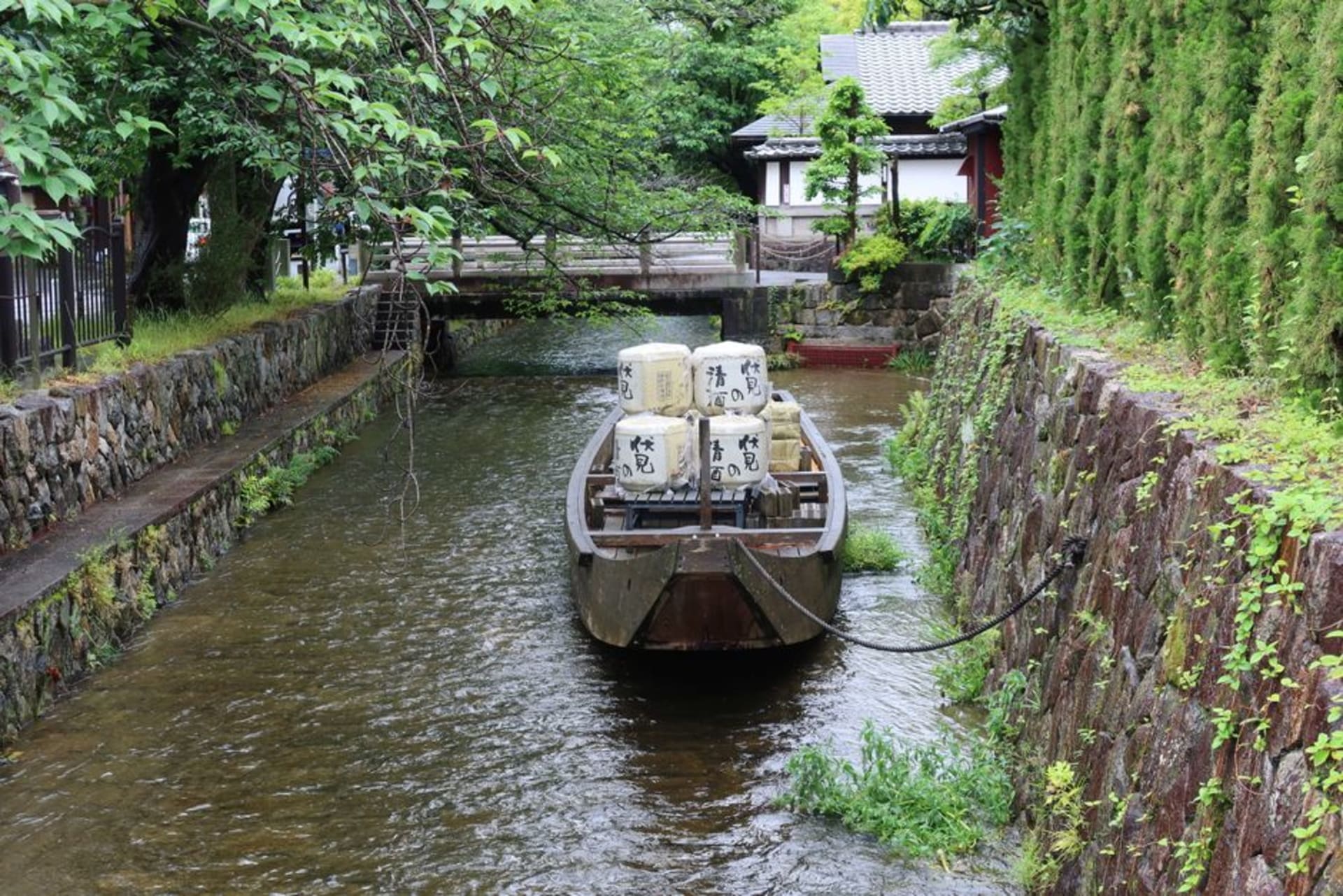
A small Gifu old town of white-walled storehouses lining a stone canal where fat carp turn in the clear water. A quieter, gentler echo of nearby Takayama, with a woodworking soul and a spring festival of thunderous drums and great white floats.
We almost skipped Hida-Furukawa. It sits three train stops beyond Takayama, and everyone we’d met was headed to Takayama — the famous old streets, the morning markets, the crowds. But an innkeeper had told Lia, half under his breath, that if we wanted to see what Takayama was like before, we should go one town further north. So we did, on a slow local train up the Hida valley, and stepped off into a place so quiet we could hear the canal from the platform. It was the best small decision we made in the mountains.
The Canal of Carp
The heart of Furukawa is a single street of astonishing calm: the Seto River canal, a stone-lined channel running the length of the old merchant quarter, its clear water thick with hundreds of koi carp — white, gold, orange, mottled black — turning slowly in the current beside white-plastered storehouses. Lia crouched at the edge for a long time just watching them, and I let her, because I was doing the same thing standing up.
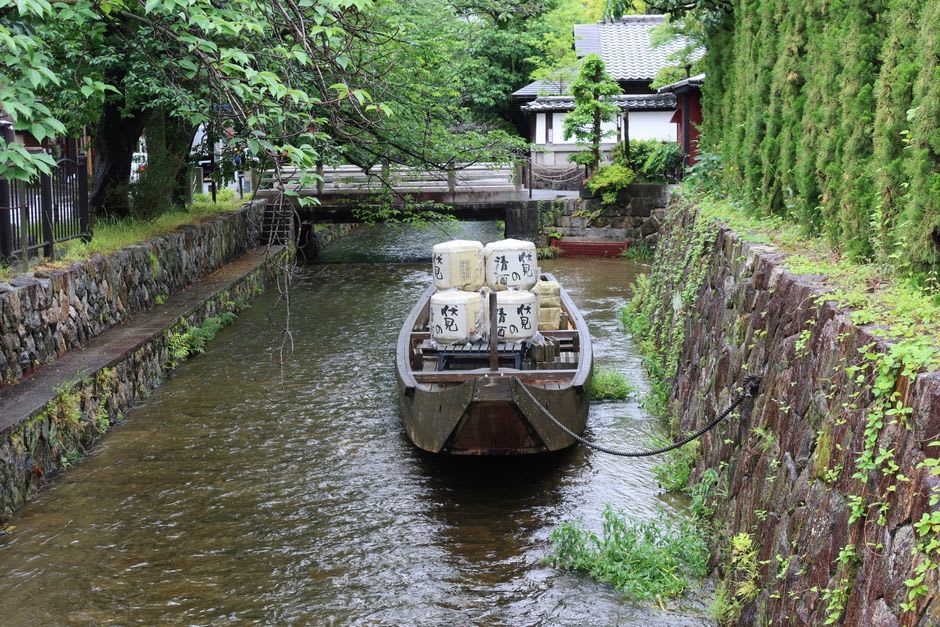
There is a local pride in these fish — in winter they are moved to a deeper pool so the canal can be drained and cleaned, and the whole town turns out for it. The Setogawa walk is only a few hundred metres, but we did it three times, back and forth, past sake breweries with their cedar-ball sugidama hanging over the doors and the lattice fronts of old houses. Nobody hurried us. Almost nobody else was there at all.
A Town Built by Carpenters
Furukawa has always been a town of woodworkers, and it wears it openly. The local carpenters, the Hida no Takumi, were prized across Japan for centuries, and you can read their signatures everywhere — in the joinery of the old houses, and literally, in the small carved symbols each master left on the eaves as a maker’s mark. We visited the Hida Crafts Museum, an old building full of pegged joints you could pull apart and puzzle back together, and I lost half an hour to a set of interlocking blocks that defeated me entirely.
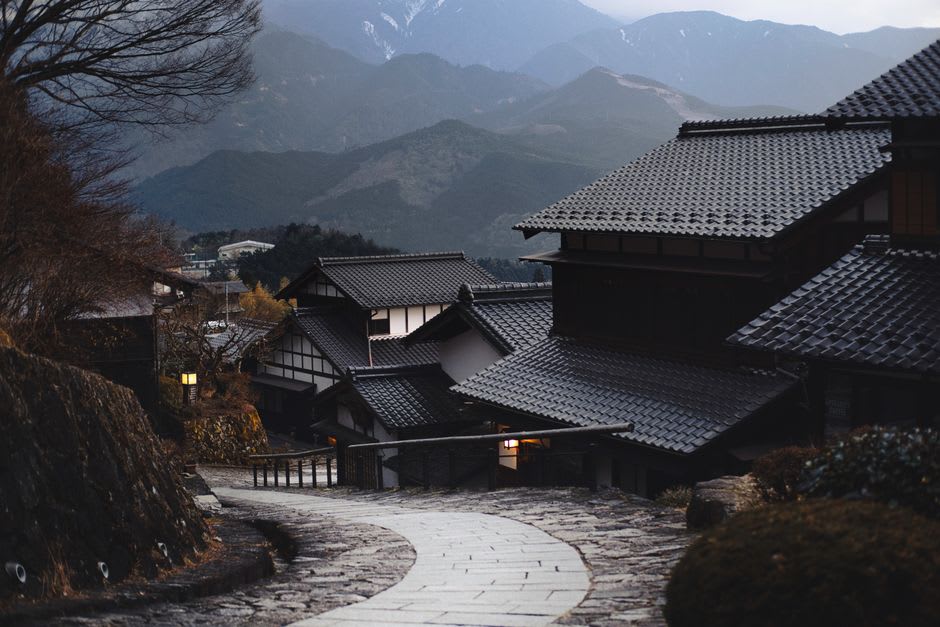
Down the street, the Matsuri Kaikan festival hall keeps the great floats used in the spring festival, and shows a marvellous life-size marionette that a hidden puppeteer works with strings — a bit of Furukawa craft that had a small crowd of us gasping. The town’s woodenness isn’t a display for tourists; it’s just how the place is made, down to the fences.
The Festival of Naked Drums
Once a year, in mid-April, sleepy Furukawa erupts. The Furukawa Matsuri is one of Japan’s wilder festivals — its centerpiece, the okoshi-daiko, sends teams of men in loincloths carrying a huge drum through the night streets while rival groups charge in with smaller drums to unseat them, a controlled riot of shouting and pounding that goes on for hours. We weren’t there for it — we came in autumn — but the festival hall’s footage, drums booming in the dark, made the hair stand up on my arms.
By day the great yatai floats — tall, gilded, hung with lanterns — process more sedately through the same streets. Standing beside one in the hushed hall, I understood the whole town a little better: this is what all that woodworking is for, all that quiet skill saved up and spent once a year in one loud, luminous night. Then Furukawa folds back into its stillness, and the carp go on turning in the canal.
Getting There
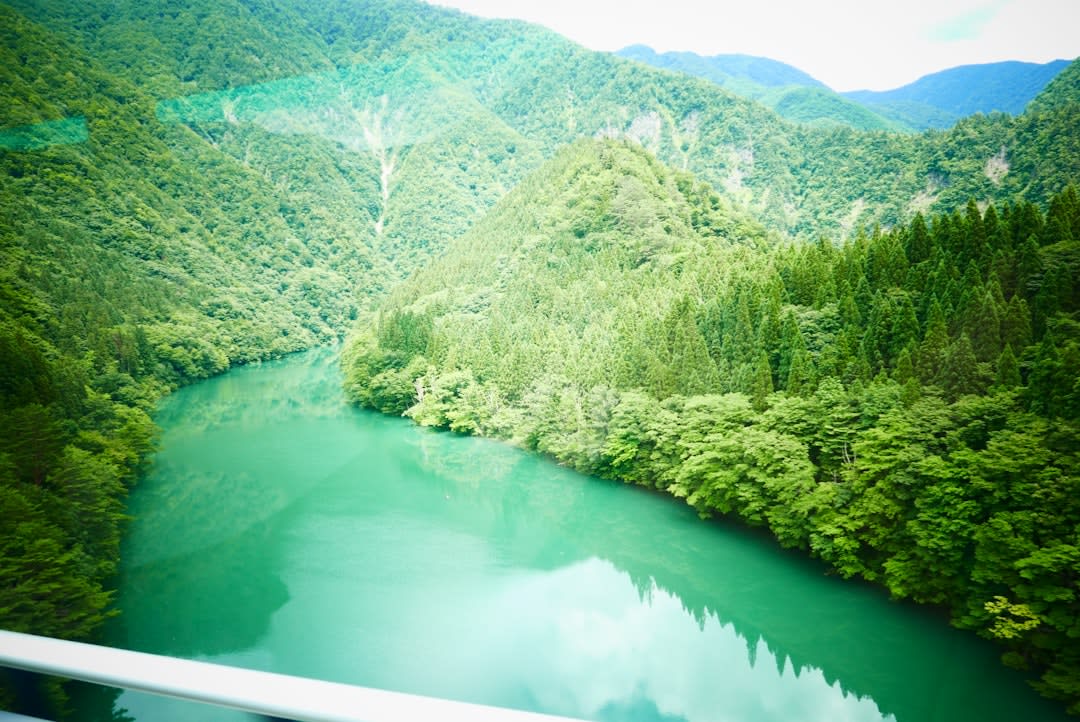
Hida-Furukawa is just three stops north of Takayama on the JR Takayama Main Line, in the Gifu mountains — the local train takes about fifteen minutes, which makes it an absurdly easy add-on to any Takayama trip, or a quieter base in its own right. To reach the region from outside, take the limited-express Hida from Nagoya (around two and a half hours) or Toyama, changing at Takayama for the last short hop. The old town is a five-minute walk from Furukawa Station, and small enough to see entirely on foot. If you can, stay a night — the streets after the last day-tripper leaves are the whole point.
Keep exploring
More of Chūbu