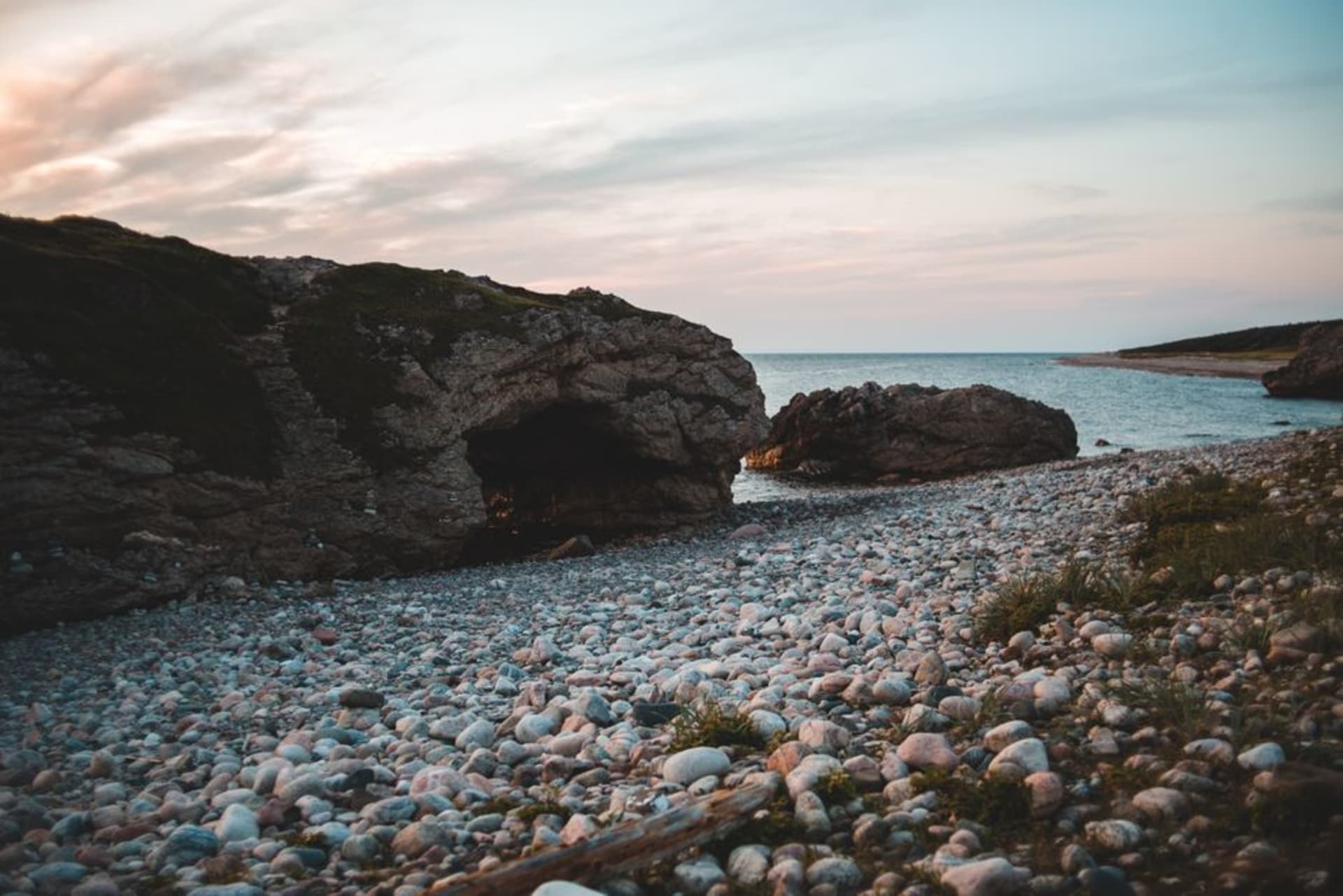
West Izu's sculpted coast of tortured rock islets, a collapsed sea cave open to the sky, and sunsets that stop conversation. Lia and I timed our whole day to end here, on the rocks, facing the light. It was the right decision.
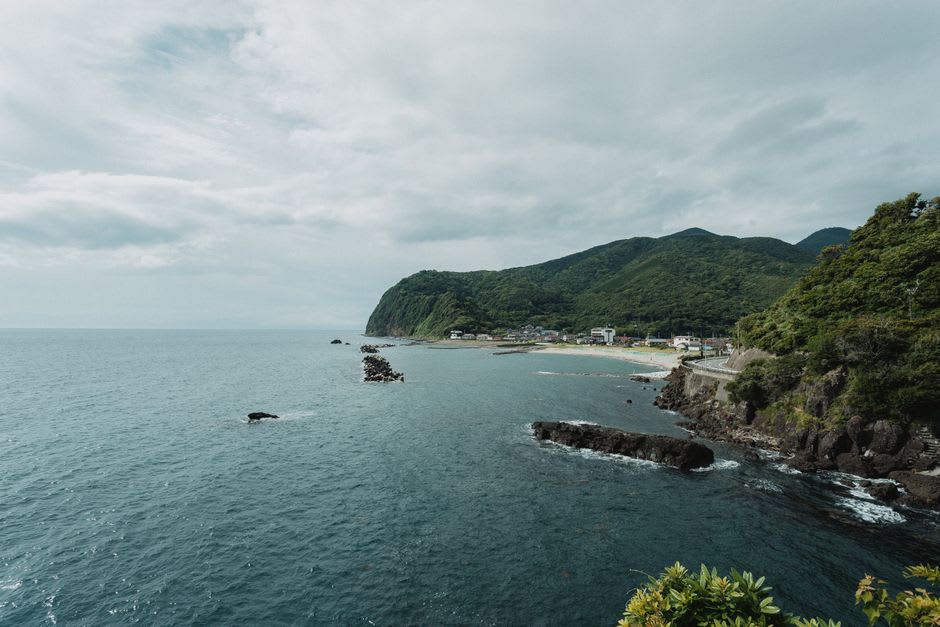
The west coast of Izu doesn’t get the crowds the east does, and Dogashima is why that’s a shame and also, selfishly, why we loved it. The bus from Shimoda crawled over the mountainous spine of the peninsula and came down the far side into a landscape that felt wilder, rawer — a coast of white volcanic rock chewed into fantastic shapes by the sea, little islands standing offshore like broken teeth, the water around them a colour of blue-green that belongs somewhere much more tropical. “We built the whole day around a sunset,” Lia said as we arrived in the early afternoon, “this had better be worth it.” I told her to hold that thought.
The Cave With a Hole in Its Roof
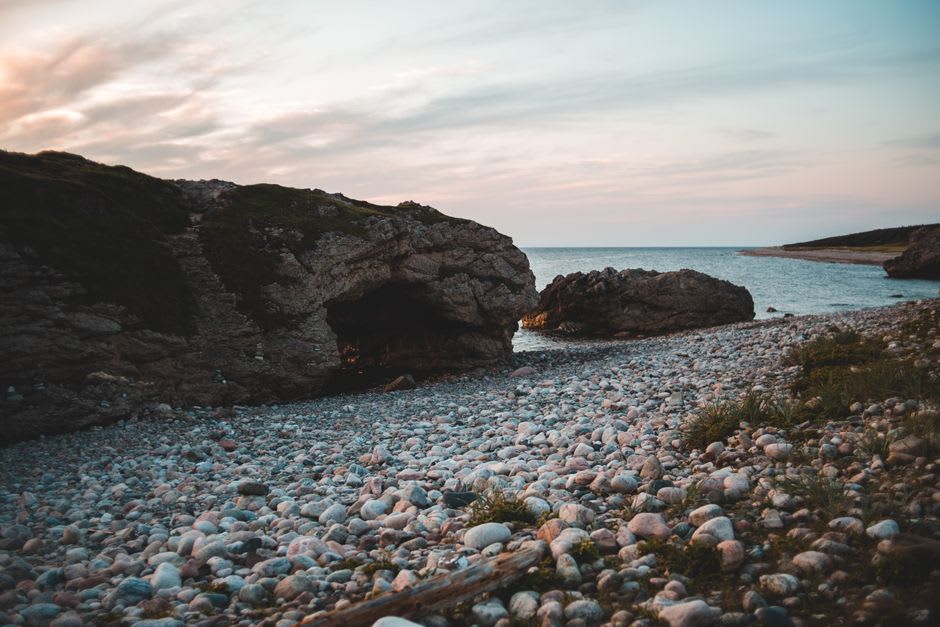
Dogashima’s strangest wonder is the Tensodo, a sea cave whose ceiling has partly collapsed, opening a jagged skylight to the heavens. We took one of the little sightseeing boats that leave from the harbour — a fast, spray-flinging twenty minutes weaving between the islets — and the boat nosed right into the mouth of the cave, engine echoing off the walls, and there above us was the ragged hole with a disc of blue sky and, when we drifted into just the right spot, a shaft of sunlight dropping straight down onto the water and lighting it from within, a pool of glowing electric blue. Lia grabbed my arm. The boatman had clearly seen a thousand tourists do exactly that and still smiled. You can also reach the skylight from above, on a clifftop path, and peer down into the collapsed roof — we did both, and both were worth it.
The Sandbar That Appears From the Sea
There’s a piece of low-tide magic here called the Tombolo. Three small islands sit just off the shore, and when the tide drops far enough a ribbon of pale sand rises out of the sea to connect them to the land, and you can walk across the seabed to islands that were, an hour before, unreachable. We got the timing right — barely, sprinting the last stretch as a tour group congealed — and walked out across the wet, ridged sand with the sea drawn back on either side, shells and crabs in the tide pools, the islands ahead growing solid and real. Lia said it felt like the sea was letting us in on a secret it would take back at any moment. Which it would: the tide tables here are not a suggestion, and people do get caught.
The Sunset We Came For
And then the reason. Dogashima faces due west into open sea, and this whole stretch of coast is famous across Japan for its sunsets, and we had planned the entire day to end sitting on the flat white rocks by the shore with the light going down behind the islets. It delivered. The sun swelled and reddened and sank behind the jagged silhouettes of the offshore rocks, throwing a molten path straight across the water toward us, the tide pools around our feet turning to pools of copper and rose. A handful of other people had gathered along the rocks and nobody spoke. “We built the whole day around a sunset,” Lia said again, quietly, “and then it delivered.” We stayed until the last colour drained and the rocks went to silhouette and the first cold breath of night came off the sea.
Getting There
Dogashima is on the west coast of the Izu Peninsula, and it takes some doing, which keeps it uncrowded. The usual approach is by bus from Shimoda Station — the ride over the peninsula takes about an hour — or from Izukyu-Shimoda combined with the boat and coastal buses. Coming from the north, you can reach the west Izu coast via the ferry to Toi from Numazu, then bus down. The sightseeing boats run through the day from the small harbour, weather permitting. Check the tide tables in advance if you want the Tombolo, and — this matters — build your schedule backward from sunset, then find a place to stay the night, because the last buses leave well before the light show ends.
Keep exploring
More of Chūbu