
Nine Mile
"I expected a shrine. I found a place. That difference matters more than I can easily explain."
The road to Nine Mile climbs through Saint Ann Parish into the hills north of Alexandria, passing through small farming communities where everyone seems to be going somewhere important at a relaxed pace. Guinea grass on the roadsides, breadfruit trees hanging heavy, the smell of wood smoke from kitchens I cannot see. The convoy of tourist minibuses that makes the same journey most mornings is visible ahead, and I hung back, letting them pull away, arriving at Nine Mile twenty minutes later than the crowd, which turned out to be exactly the right tactic.
Nine Mile is a small village. It is also the birthplace and burial place of Robert Nesta Marley, which means it occupies a particular position in the world’s cultural geography — pilgrimage site, tourist attraction, and living community simultaneously. The mausoleum where he is buried sits on the hillside above the house where he was born, surrounded by Ethiopian colors and cannabis plants that grow with institutional purpose. The Ethiopian Orthodox church nearby, where Marley was baptized in 1980, is small and spare and still in regular use. Guides lead groups through with a practiced expertise, the stories calibrated for maximum emotional impact, the gift shop positioned at the exit.
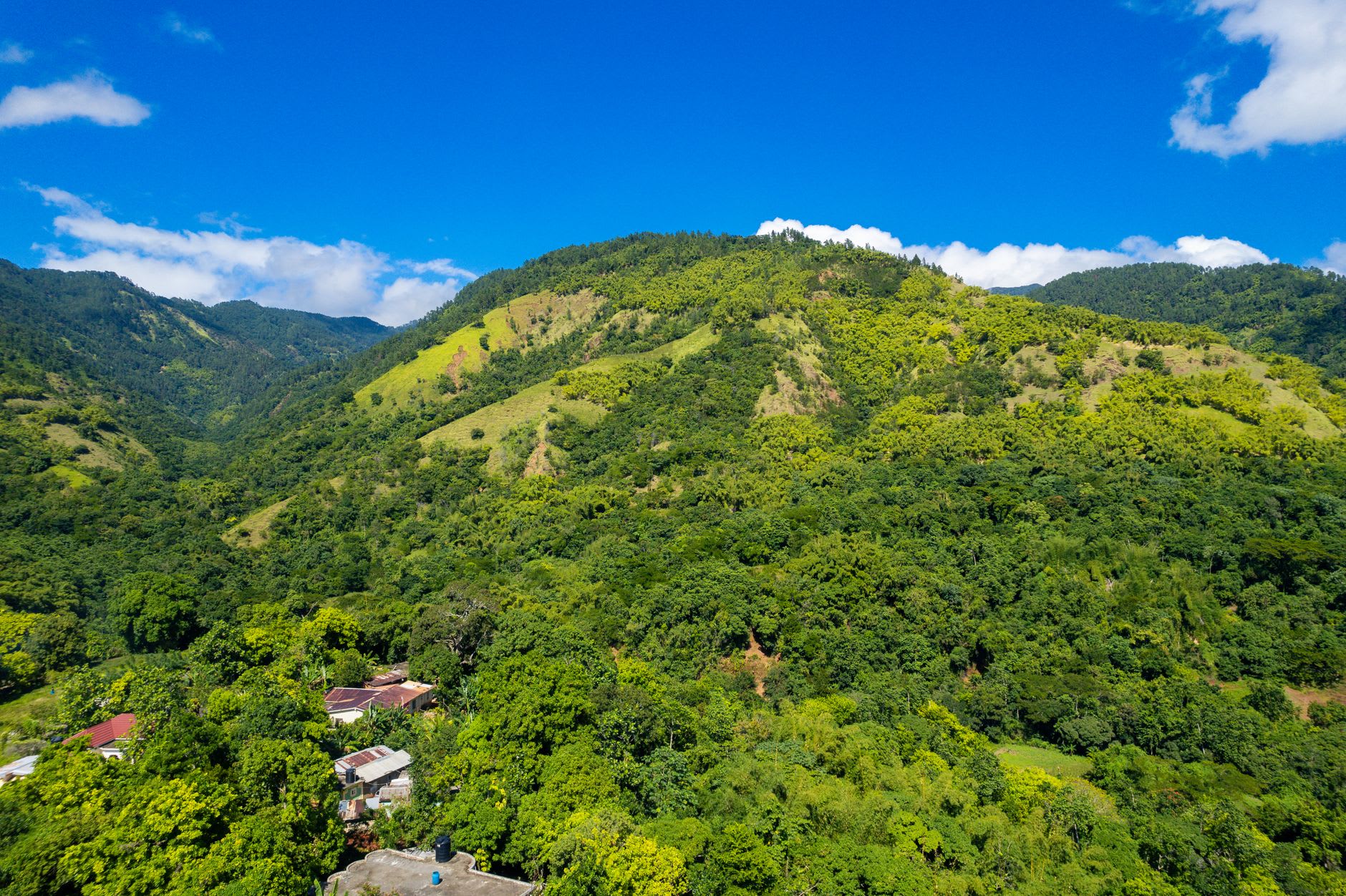
None of this prevents the place from being genuinely affecting. The house where he grew up is tiny — two small rooms, concrete walls, a dirt yard with a large mango tree that his grandmother planted before he was born and which is still there, still producing fruit. The rock beside the house that he used as his pillow when he slept outside, which appears in the lyrics to “Talkin’ Blues,” is unmistakably just a rock, and yet standing beside it with the Saint Ann hills rolling away in all directions, the air clean and cool at this altitude, I felt the specific gravity of a place where something important began. The myth and the reality occupied the same space without contradiction.
The mausoleum is painted inside with murals of Ethiopian and Rastafari imagery, the walls carrying the dense religious symbolism of Rastafarianism — the Lion of Judah, the Ethiopian flag colors, faces that carry the weight of an entire theological and political tradition compressed into paint. His tomb is beneath a small dome, flowers placed by visitors accumulated in bouquets of varying freshness. The guide encouraged quiet. It came naturally.
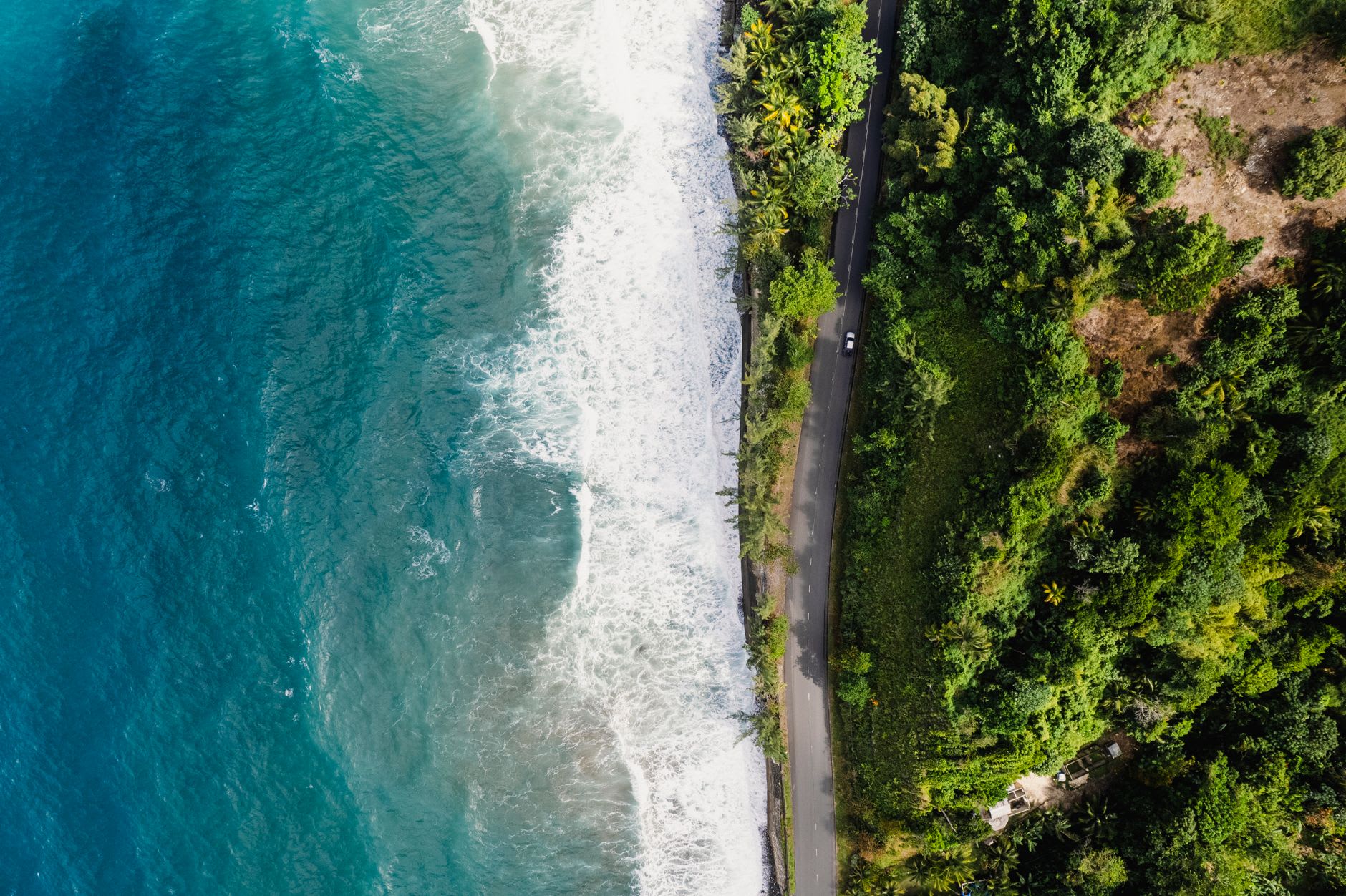
What I hadn’t expected was the village itself, separate from the tourist site. Walking back to my car through the actual Nine Mile community — past the rumshop where old men play dominoes, past the woman hanging laundry behind a house with a hand-painted gate, past children chasing each other down the hill with the total investment of people for whom this is simply afternoon — I felt something settle. Marley grew up inside this ordinary Caribbean village life, walked these same hills, heard the same sounds, and then made music that contained all of it somehow — the work, the faith, the heat, the particular quality of light on a Saint Ann hillside in the late afternoon. The distance between here and “No Woman No Cry” is not as large as the world’s fame suggests.
When to go: November through April is drier and more comfortable at altitude. Visit on a weekday morning and arrive earlier than the tour groups from Ocho Rios, which typically arrive between ten and noon. February 6th — Marley’s birthday — brings an annual celebration with live music and particular energy; crowds are substantial but the atmosphere is entirely different from the standard tour. The altitude at Nine Mile makes it noticeably cooler than the coast, which is a relief in any season.