
Todi
"Perched between three rings of walls, and somehow perched between two thousand years too."
A hilltop town so perfectly proportioned that in the 1990s a group of urban planners crowned it 'the most livable town in the world' — and for once, the marketing wasn't lying.
Todi sits on its hill like it knows something you don’t. Three concentric rings of walls circle the town — Etruscan, Roman, medieval — layered on top of each other like tree rings, each generation adding its own belt of stone without bothering to tear down the last one. I spent an afternoon just tracing them, walking out to where the Etruscan blocks are still visible near Porta Marzia, enormous and rough-cut, older than anything I’d ever touched with my own hands. Umbria is full of hill towns that ask you to imagine their past. Todi hands you the evidence and lets you draw your own conclusions.
The Square That Started the Fuss
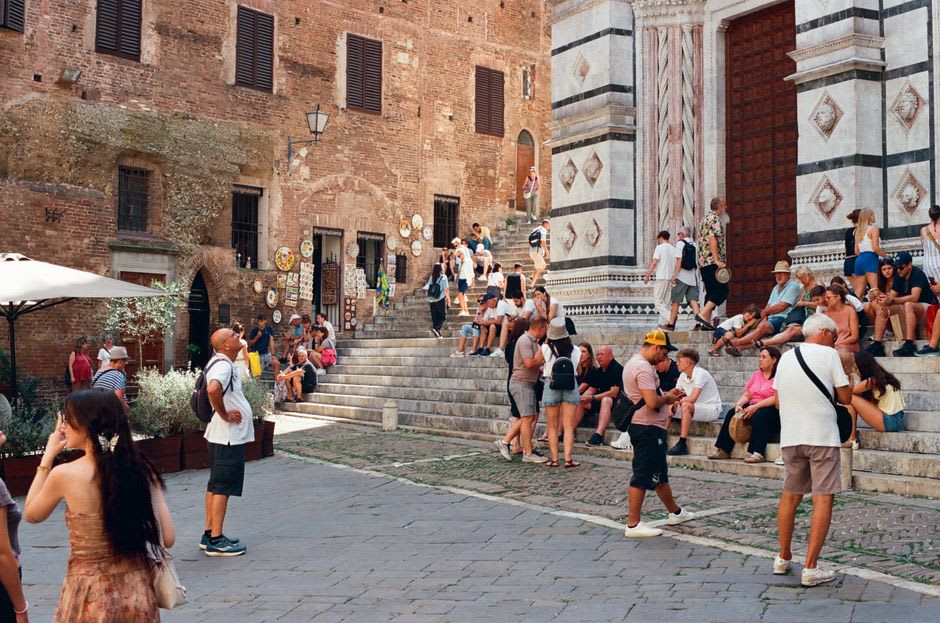
The Piazza del Popolo is the reason Todi got that “most livable town” reputation — a University of Kentucky study in the 1990s used it as a case study in ideal urban scale, and having stood in it, I understand why. It’s tight without feeling cramped, framed on every side by buildings from wildly different centuries that somehow agree with each other: the Palazzo dei Priori with its crenellations, the Palazzo del Capitano and Palazzo del Popolo joined by an external staircase, and the Duomo presiding over the far end up a broad flight of steps. I sat on those steps at dusk with a coffee and watched the square do what Italian piazzas do best — absorb an entire town’s evening errands and turn them, without anyone trying, into a kind of performance.
Bramante’s Church on the Edge of Town
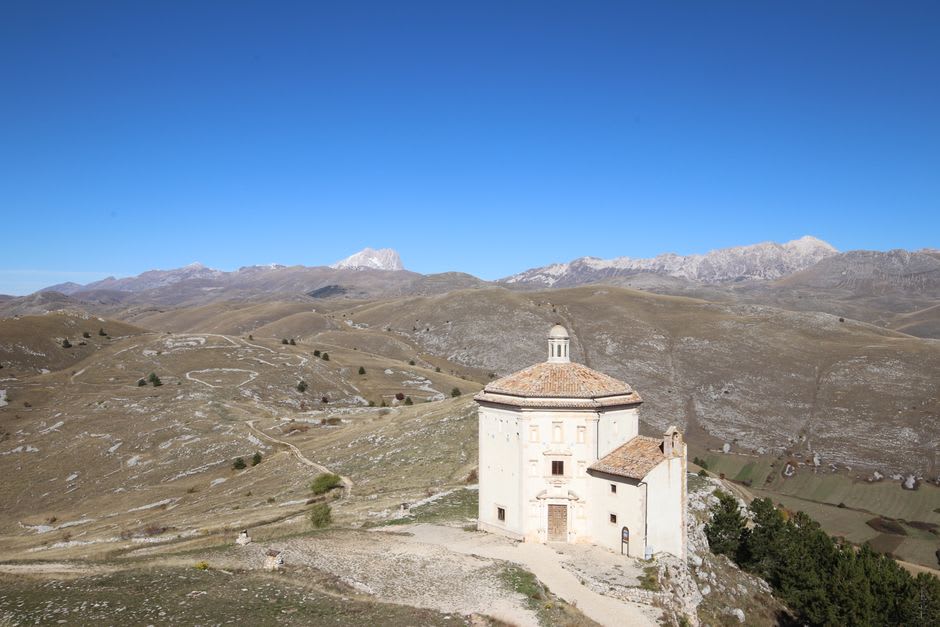
A short walk downhill from the historic center is the Tempio di Santa Maria della Consolazione, a Renaissance church built on a Greek-cross plan, often attributed in spirit to Bramante even though he likely never set foot in Todi — the design tradition he pioneered in Rome traveled here through his followers. It stands alone in a green field outside the walls, white stone against grass, domed and symmetrical and completely serene, the kind of building that makes you understand why the Renaissance obsessed over geometric perfection as a stand-in for divine order. I’ve seen a lot of churches in Italy by now. This one made me stop talking for a minute, which for me is unusual.
Todi rewards slowness more than any checklist of sights. Wander the narrow medieval streets below the piazza, where laundry still strings between buildings and cats own the alleys outright. Eat something built on Umbrian black truffle, which the surrounding hills produce in genuine abundance, not tourist-menu quantity. Umbria calls itself “the green heart of Italy,” and from Todi’s walls, looking out over the Tiber valley terraced with olive groves, you finally see why the phrase isn’t just tourism-board poetry.
When to go: Late spring or early autumn, when the Tiber valley below is at its greenest and the heat hasn’t flattened the afternoons yet. Todi Festival in late August/early September brings arts and music if you want the town at its liveliest.