Stresa
"Hemingway wrote part of a war novel here. I mostly just stared at the water and understood why."
A belle-époque lakefront town where the water does most of the talking and the islands do the rest.
Stresa sits on the western shore of Lake Maggiore, and it has been performing the role of genteel resort town since the nineteenth century, when the aristocracy of Milan and Turin, and eventually the rest of Europe, decided this stretch of shoreline was where you came to be seen recovering from something. The Grand Hotel des Îles Borromées, all wedding-cake facade and manicured gardens, opened in 1863 and hosted a guest list that reads like a syllabus — European royalty, Winston Churchill, and Ernest Hemingway, who convalesced here after being wounded on the Italian front in the First World War and later used the town, thinly disguised, as the setting for the ending of A Farewell to Arms. I walked the lakefront promenade on a grey October morning without a single other tourist in sight and understood the appeal completely: there’s a stillness to Lake Maggiore, ringed by the pre-Alps, that feels engineered for exactly this kind of quiet recovery.
Islands That Feel Invented
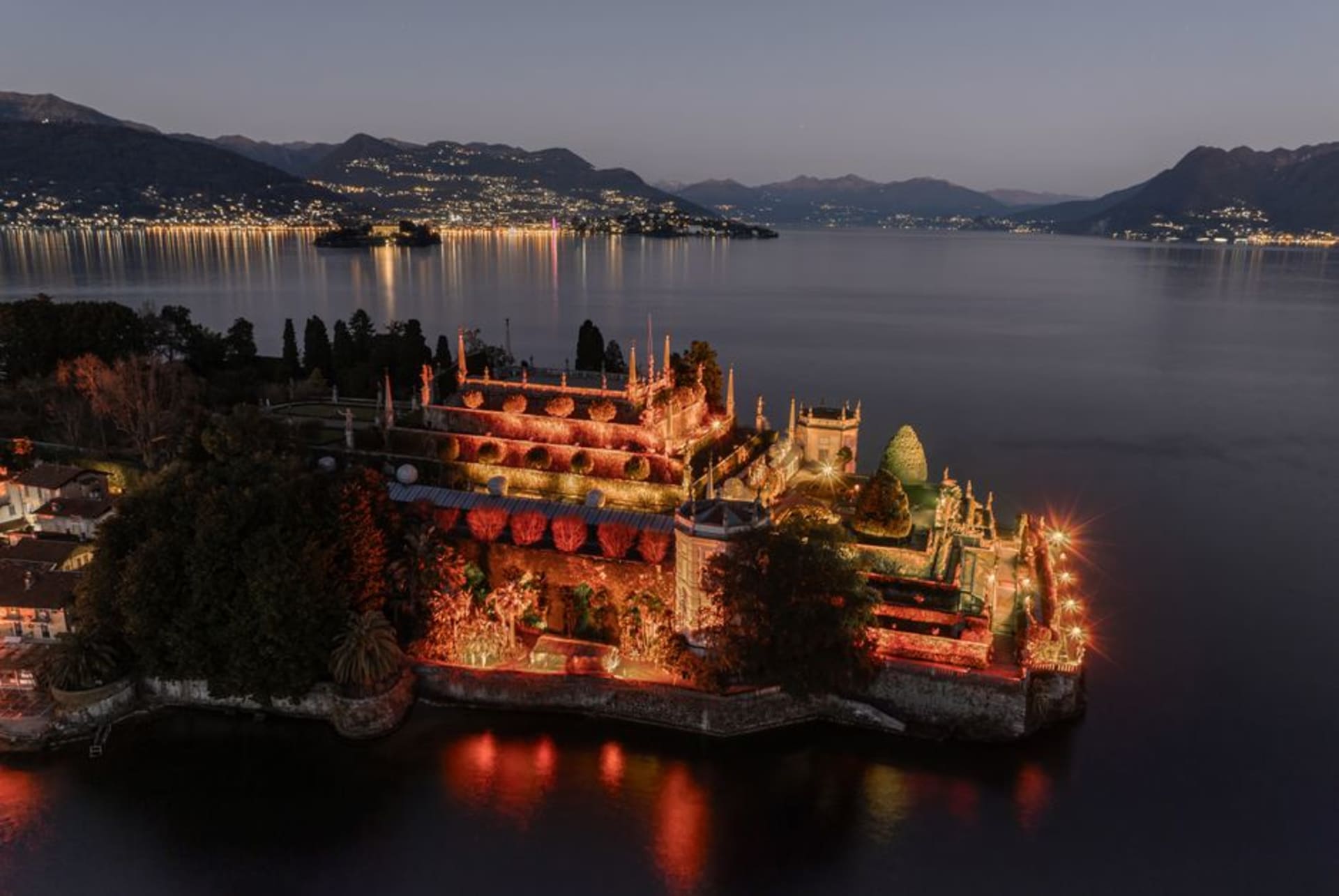
The reason most people come to Stresa, myself included, is the trio of Isole Borromee — the Borromean Islands — a short boat ride offshore. Isola Bella is the showpiece: a Baroque garden and palace built in the 1600s by the Borromeo family, terraced like a wedding cake down to the waterline, with white peacocks wandering grounds so theatrically manicured they look computer-generated. Isola Madre is quieter and, honestly, better — a English-style botanical garden that spills unstructured across the whole island, home to some of the oldest camphor and Kashmir cypress trees in Europe. Isola dei Pescatori, the fishermen’s island, is the one that still feels lived-in rather than performed: actual residents, actual fishing boats, narrow lanes between houses that have been passed down for generations rather than converted into anything.

Above the Lake
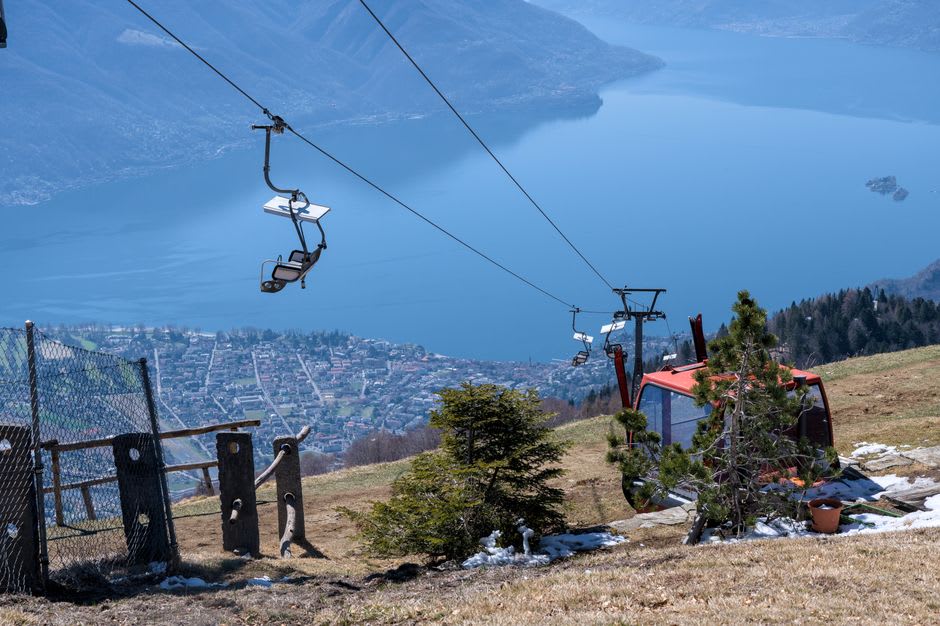
Stresa is also the departure point for the Mottarone cable car, which climbs to nearly 1,500 meters and delivers, on a clear day, one of the great panoramic rewards in northern Italy — the full sweep of Lake Maggiore below, and on the clearest days the Matterhorn and Monte Rosa visible along the alpine horizon to the north. It’s a strange, vertiginous contrast: fifteen minutes earlier you were drinking a coffee at lake level among palm trees and belle-époque hotels, and suddenly you’re standing in alpine air looking down at the whole scene like a painted map.
Eat a risotto with lake perch if it’s on the menu — the small fish caught in Maggiore’s cold water, dredged and fried whole, is a local specialty that never quite makes it beyond this shoreline. Then sit on the lakefront in the evening, when the day-trippers from Milan have gone home, and watch the light change on the water the way half of literary Europe apparently once did.
When to go: Late spring (May) for the gardens of Isola Bella and Isola Madre in full bloom, or September for warm days, thinner crowds, and clearer alpine visibility from Mottarone.