Spoleto
"A bridge that has no right to look that graceful, hanging over a gorge that has no right to be that green."
A Roman-to-medieval town stitched together by a bridge so improbable it looks like a mirage, and famous for a festival that turns it into an open-air opera house every summer.
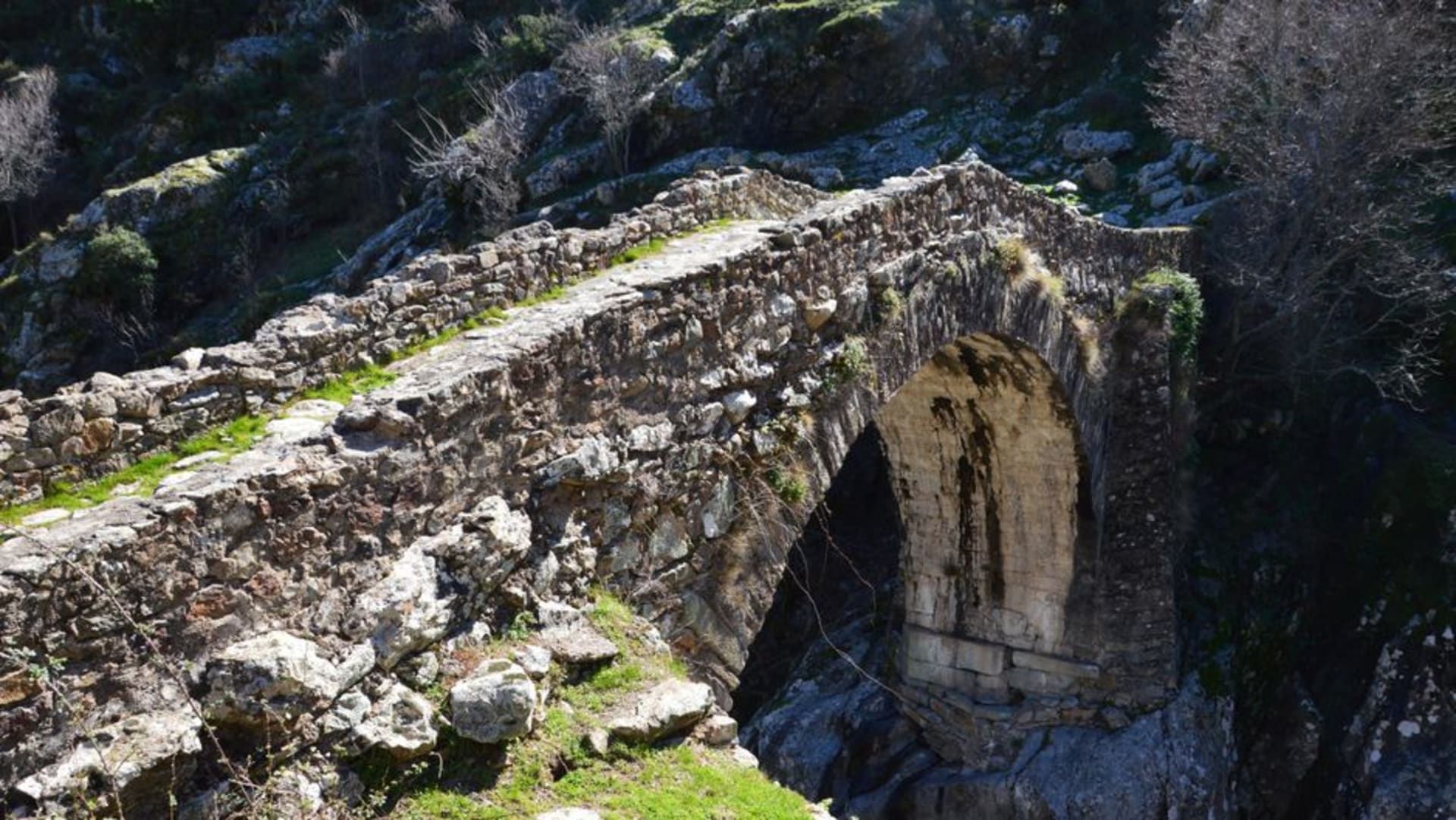
Nothing prepares you for the Ponte delle Torri the first time you see it. I’d read about it, seen photos, and still stopped dead on the path leading out of Spoleto’s old town when the gorge opened up and the bridge appeared — ten arches of stone striding across a wooded ravine, eighty meters up, connecting the Rocca Albornoziana on one hillside to Monteluco on the other. It was likely built on the foundations of an old Roman aqueduct, though the structure that exists today is medieval, probably fourteenth century, and it served double duty as both aqueduct and fortified walkway. Walking across it, wind moving up from the valley floor far below, I understood why Spoleto has been fought over by every power that ever controlled central Italy — whoever held this crossing held the route between Rome and the north.
A Very Old, Very Layered Town
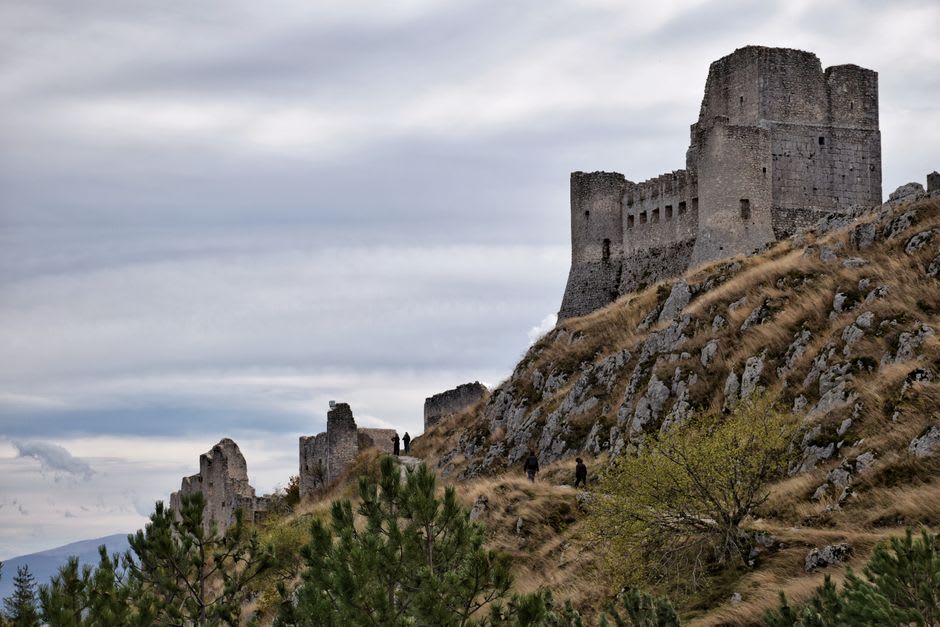
Spoleto’s history goes back to the Umbri and then the Romans, who made it a colony in 241 BC — the Roman Theatre, still used for performances today, and the Arch of Drusus near the old forum are reminders of how thoroughly Roman this place once was. It survived a Hannibal-adjacent siege in 217 BC (the same campaign that devastated Rome at Lake Trasimeno nearby) and later became one of the most important Lombard duchies in Italy, the Duchy of Spoleto controlling a swath of central Italy for centuries. The Rocca Albornoziana, the imposing fortress that crowns the hill above town, was built in the 1360s by Cardinal Albornoz to reassert papal control over Umbria after the Avignon papacy — and later, grimly, served as a prison, including for a period holding Slovenian and Croatian political prisoners in the twentieth century. I walked its courtyards on a quiet weekday afternoon, and the layers of use, sacred to military to punitive, felt very present in the stone.
The Duomo and the Festival dei Due Mondi
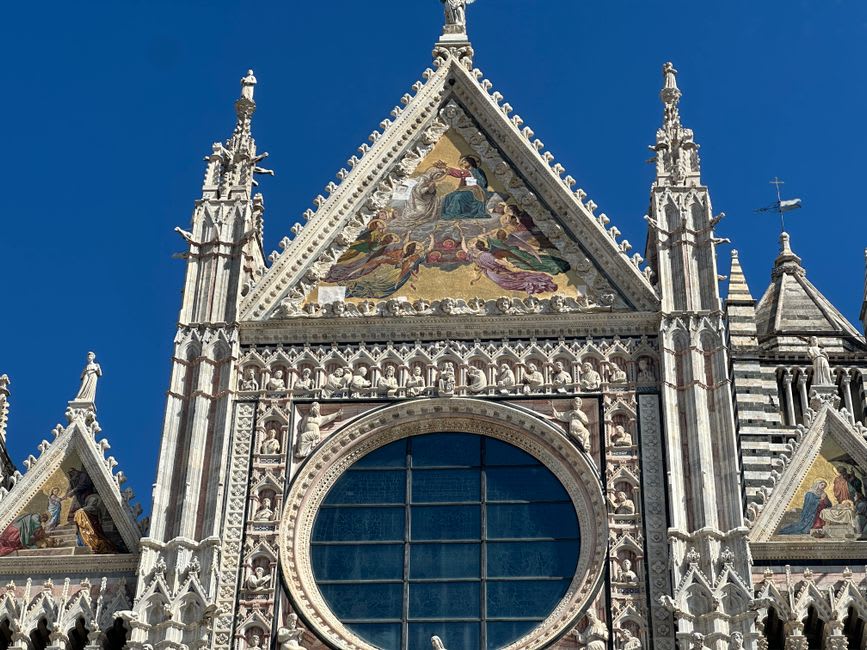
Spoleto’s Duomo, down in the lower town, has a facade with a glittering Byzantine-style mosaic and an interior with apse frescoes by Filippo Lippi, the Renaissance painter who, according to local legend, died in Spoleto not long after finishing them and is buried inside — a monument to him, designed by his son, still stands in the right transept. But Spoleto today is equally defined by the Festival dei Due Mondi, the Festival of Two Worlds, founded in 1958 by composer Gian Carlo Menotti as a sister event to the Spoleto Festival USA in South Carolina. For a few weeks each summer the town’s piazzas, the Roman theatre, and the Teatro Nuovo fill with opera, dance, and theatre, and the whole place takes on an energy that feels wildly disproportionate to its modest size — some 38,000 people hosting a genuinely international arts festival.
When to go: Late June into July for the Festival dei Due Mondi if you want Spoleto at full volume; September and October if you want the Ponte delle Torri, the gorge, and the quiet version of the town to yourself.