Santa Margherita Ligure
"Everyone comes here to catch a boat to somewhere more famous. I never quite understood the hurry."
The Belle Époque town everyone drives through on the way to Portofino, and the one I'd argue you should actually stay in.
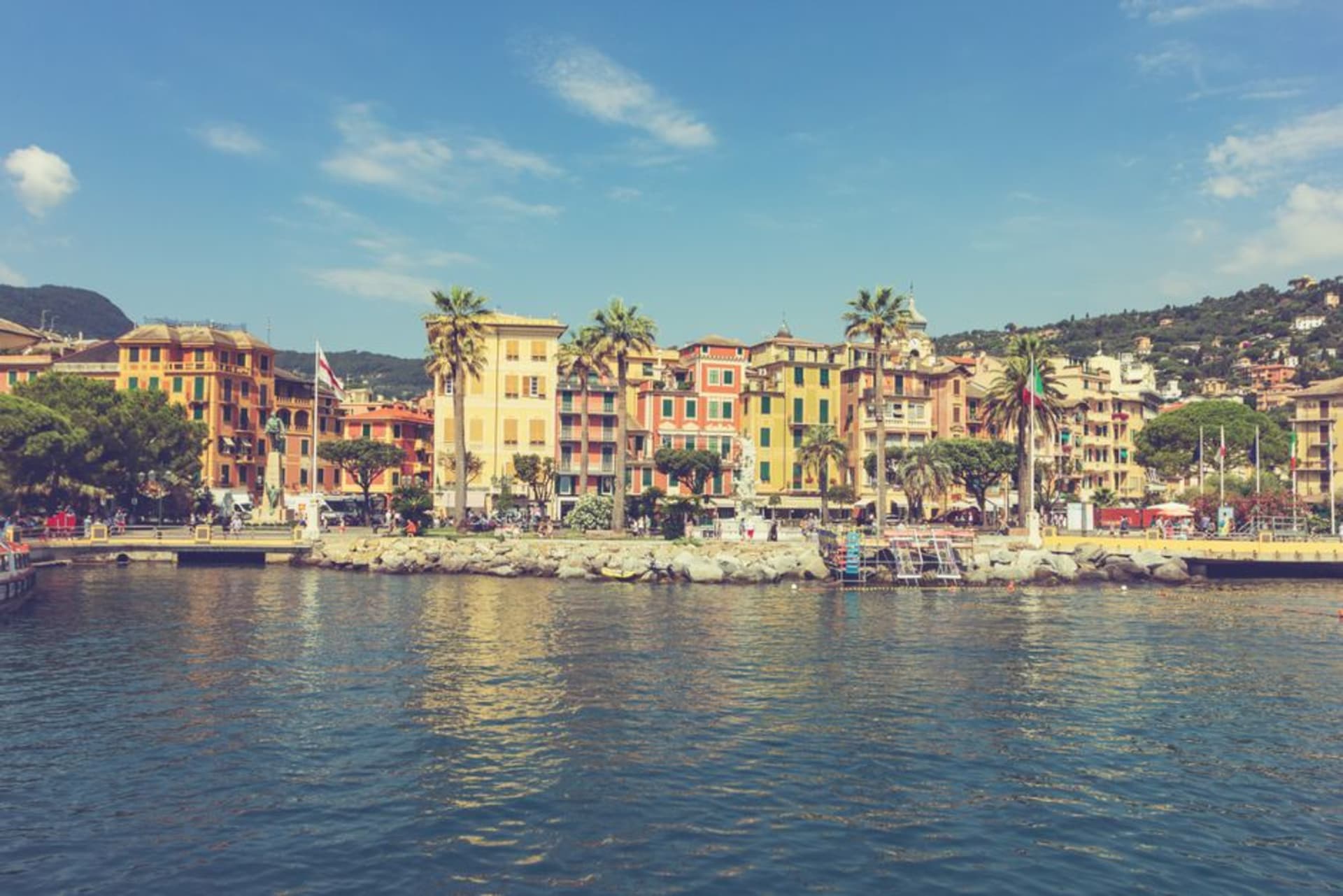
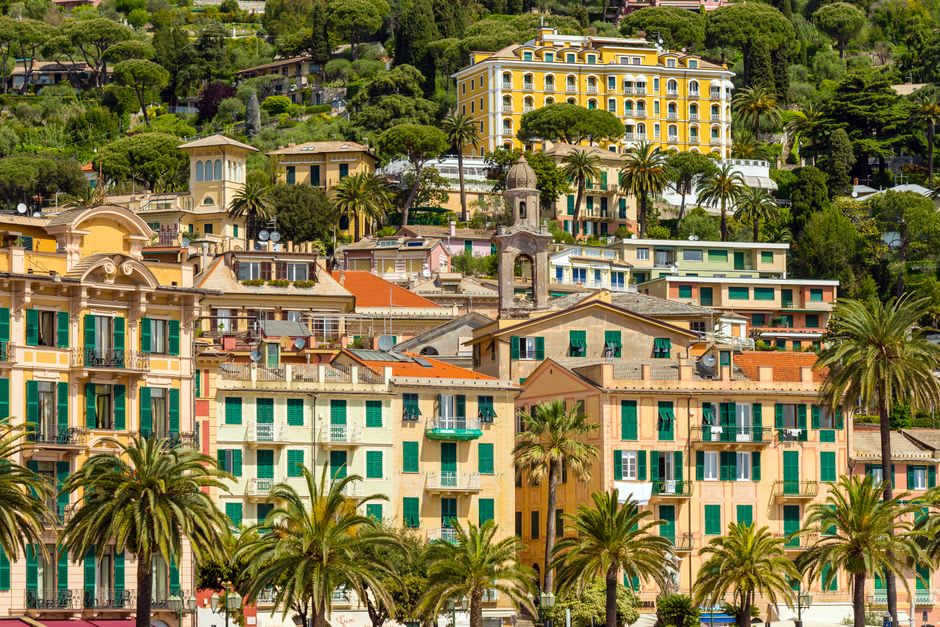
Santa Margherita Ligure gets treated, unfairly, as a waiting room for Portofino — the town you pass through, park in, or catch a ferry from, on your way to somewhere considered more photogenic. I stayed three nights and never once felt like I was in the wrong place. This is a proper resort town, built out during the Belle Époque when European aristocracy discovered the Italian Riviera, and its waterfront still carries that era’s confidence: grand hotels in faded ochre and cream, palm-lined promenades, a harbor full of sailboats rather than superyachts, which somehow made it easier to actually enjoy.
The town sits at the base of the Portofino promontory, sheltered in its own bay, and it has a working relationship with the sea that never tipped over into the theme-park feel I half-expected. Fishermen still sell their catch near the port in the mornings. The Basilica di Santa Margherita, tucked just back from the water, has a baroque interior so unexpectedly lavish — gilt everywhere, an almost overwhelming density of ornament — that stepping in off the sunny piazza feels like walking into a different century entirely.
The Villa and the Bay
Above the town, the Villa Durazzo sits in terraced Italian gardens that climb the hillside behind the harbor — a seventeenth-century estate you can wander for the price of admission, with views back down over the rooftops and out across the bay toward the Portofino headland. I went in the late afternoon, when the tour groups had cleared out, and had entire stretches of the garden to myself, cypress trees casting long shadows over gravel paths, a peacock somewhere making its unmistakable, slightly ridiculous call. It’s the kind of place that makes you understand why this whole coast became shorthand for a certain kind of unhurried European leisure.
A Base, Not a Detour
What sold me on staying here rather than pushing on was practical as much as aesthetic. Santa Margherita has real, reasonably priced trattorias serving trofie al pesto — the twisted, hand-rolled pasta that is Liguria’s great contribution to the world, tossed with basil pesto made the traditional way, with a mortar and pestle, plus a handful of potato and green beans that Ligurians insist, correctly, belong in the dish. From the harbor you can catch a ferry to Portofino in under fifteen minutes, or to San Fruttuoso, or further along to the Cinque Terre — meaning you get the coastline’s greatest hits without paying Portofino’s hotel prices or fighting for a table at its handful of restaurants.
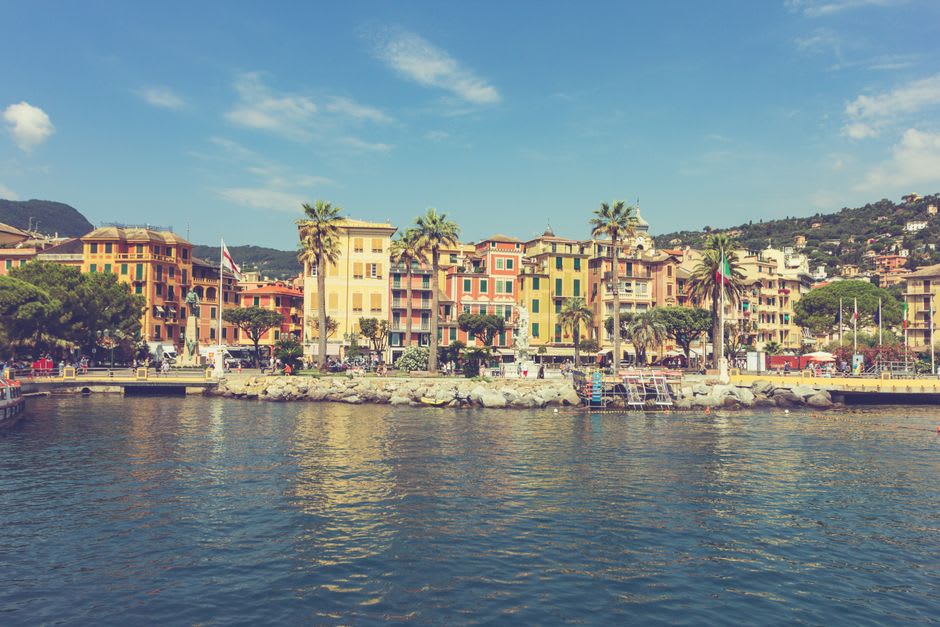
In the evening, the passeggiata along the waterfront fills with families, old men playing cards at outdoor tables, couples eating gelato on the sea wall — an entirely ordinary Italian evening, unbothered by its more famous neighbor a few kilometers up the coast. I liked it more, if I’m honest, for exactly that reason.
When to go: June or September, for warm swimming weather without August’s peak crowds and prices, and easy ferry access to everywhere else on the promontory.