
A city split in two by a ravine, one half medieval and clinging to a ridge, the other Baroque and rebuilt after disaster — Ragusa makes you choose a side and then makes you climb between them anyway.
Ragusa is really two towns wearing one name. There’s Ragusa Superiore, the upper town, built on a grid after the 1693 earthquake for practicality and modern life, and there’s Ragusa Ibla, the old town, which refused to relocate and instead rebuilt itself on its original medieval footprint, tumbling down a narrow ridge in a tangle of Baroque churches and stone stairways. The two are connected by a long staircase and a network of switchbacking roads through the ravine that separates them, and the first time I made the descent into Ibla, legs already tired from Noto the day before, I remember thinking that Sicilians clearly do not believe a good view should come without a cost paid in stairs.
Ibla is the reason people come. Its centerpiece, the Duomo di San Giorgio, sits at the top of a sweeping staircase and a small piazza that feels almost theatrical in its proportions — the facade curves outward with a confidence that only Sicilian Baroque architects, working in the aftermath of catastrophe and determined to prove something, seem to have possessed. The dome is a later, more restrained addition, blue-grey against the honey stone, and from certain angles in the old town you catch it rising unexpectedly above a rooftop or down the end of an alley, always slightly startling.
Walking Ibla’s Ridge
What I loved most about Ragusa wasn’t any single monument but the act of getting lost in Ibla’s streets, which fold back on themselves along the contours of the ridge in a way that resists any mental map. Balconies with wrought iron, laundry overhead, the occasional glimpse down into the ravine where wild caper bushes grow out of the rock face. The Giardino Ibleo at the far end of the promontory is a public garden shaded by palms and monkey puzzle trees, with views out over the countryside that make it obvious why this ridge was worth defending for a thousand years before anyone thought to abandon it for the flatter ground across the valley.
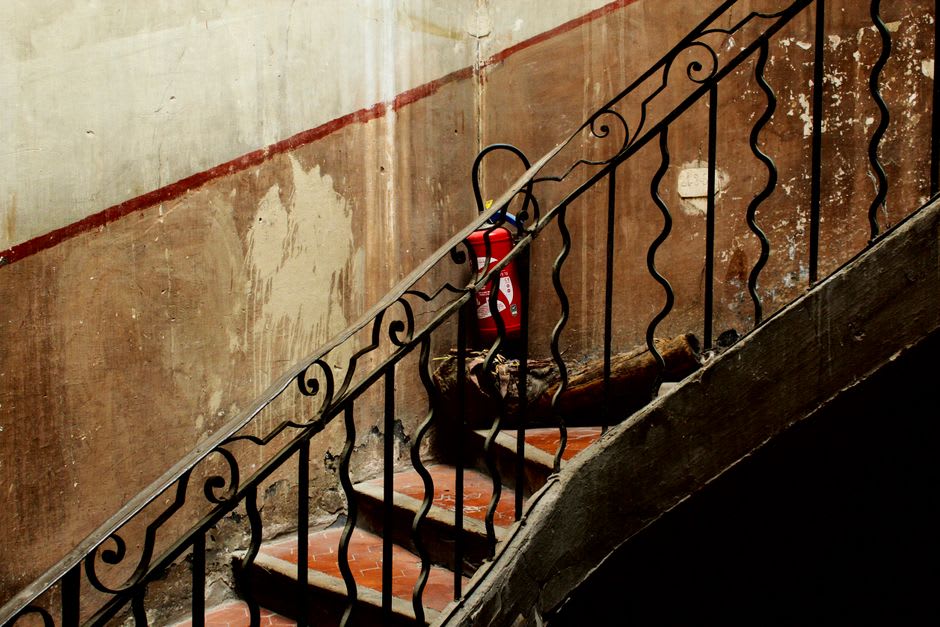
The Countryside Around It
Ragusa also gave me my first real taste of the interior of this part of Sicily — dry-stone walls threading across hills planted with carob and almond trees, the source of the region’s excellent olive oil and the celebrated Ragusano cheese, a stretched-curd cattle cheese aged in the local caves. This is cattle country in a way that surprises people who think of Sicily only as citrus and sea; the Modica-Ragusa plateau has raised beef cattle for centuries, and the cheese counters in Ibla’s small shops reflect it, wheels of Ragusano stacked beside jars of capers and bottles of oil pressed from groves you passed on the drive in.
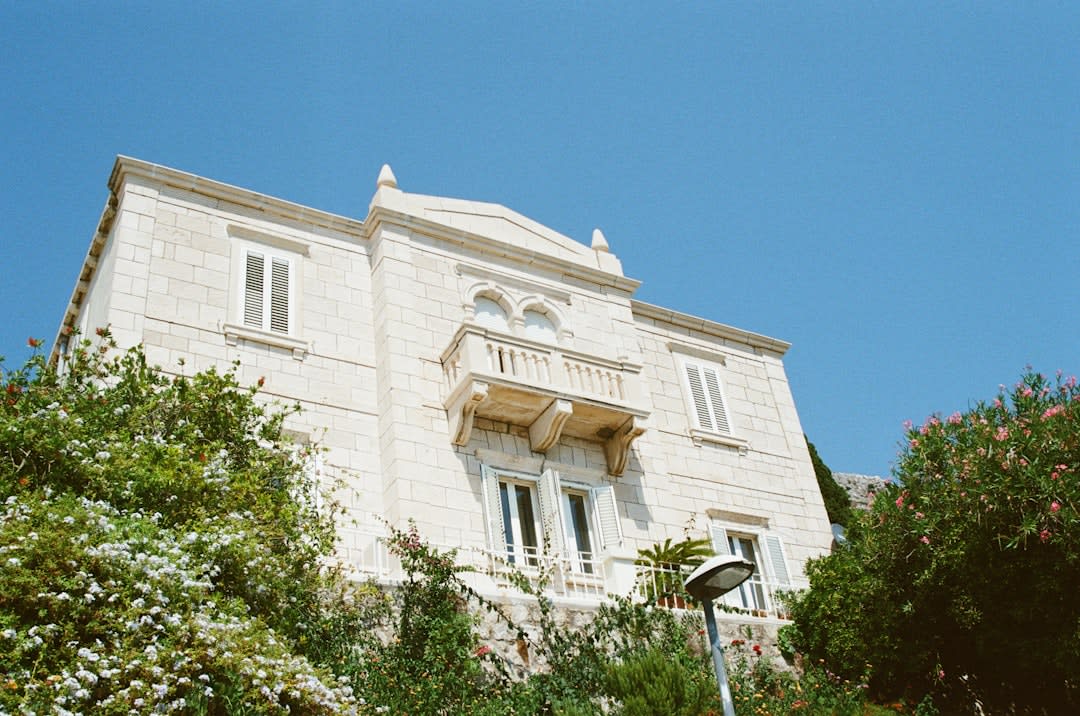
By evening the staircase up to San Giorgio fills with people simply sitting, talking, watching the light change on the stone, and I joined them without any particular agenda, which is unusual for me. Ragusa doesn’t demand a checklist the way some of the bigger names do. It rewards the aimless version of travel — a walk with no destination, a coffee that turns into an hour, a wrong turn that dead-ends at a view of the ravine you wouldn’t have found on purpose.
When to go: April through June or September through October, when the interior’s summer heat has broken and the long stair-climbs between the two towns are bearable in daylight.