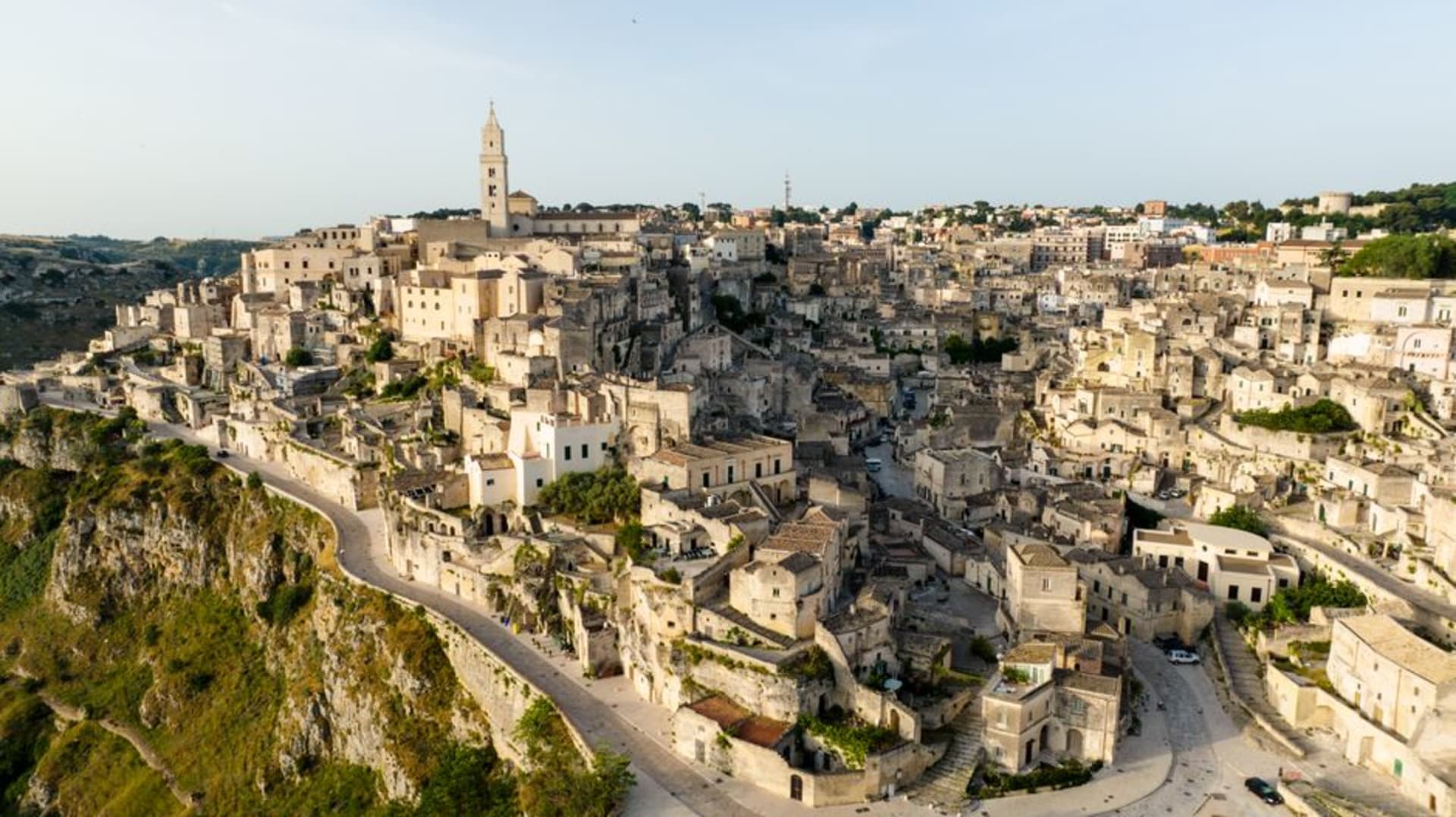
Italy's highest regional capital, rebuilt so many times by earthquakes that resilience is basically the town motto.
Nobody puts Potenza on a poster of Italy, and I understand why — it is not a place that performs for cameras the way Florence or Venice do. But I went anyway, mostly out of stubbornness, because it’s the capital of Basilicata and I don’t like skipping capitals, and I came away thinking it’s one of the more honest cities I’ve spent time in. Potenza sits at over eight hundred meters above sea level, making it the highest regional capital in Italy, perched along a ridge in the Apennines with the kind of views that come free when a city has no choice but to be vertical.
That verticality is the first thing you feel walking around. The historic center climbs the hillside in tiers, connected by staircases and a system of escalators and elevators that Potenza built into the hillside itself, because when your city is a mountain ridge, you either install moving walkways or you accept that half your population will never make it to the top of Via Pretoria for an espresso. I took the escalators up from the lower town and arrived at the pedestrian spine of Via Pretoria slightly disoriented by how effortless it had been, like the city had quietly solved a problem that would defeat most of Europe’s hill towns.
A City That Keeps Rebuilding Itself
Potenza’s history reads like a list of disasters survived. It’s an ancient Lucanian and then Roman settlement, Potentia, but almost nothing of that antiquity survives above ground because the town has been leveled by earthquakes more times than most cities are leveled by war — serious quakes in 1273, 1694, 1857, and again in 1980, when the Irpinia earthquake devastated much of the region. Each time, Potenza rebuilt, which is why the city today feels less like a museum piece and more like a working town that has simply refused to disappear. The cathedral, the Duomo di San Gerardo, has been reconstructed multiple times and now wears a nineteenth-century neoclassical face over much older foundations — the patron saint, San Gerardo, is credited by locals with having personally kept the worst of the earthquakes from finishing the job.

Walking the Ridge
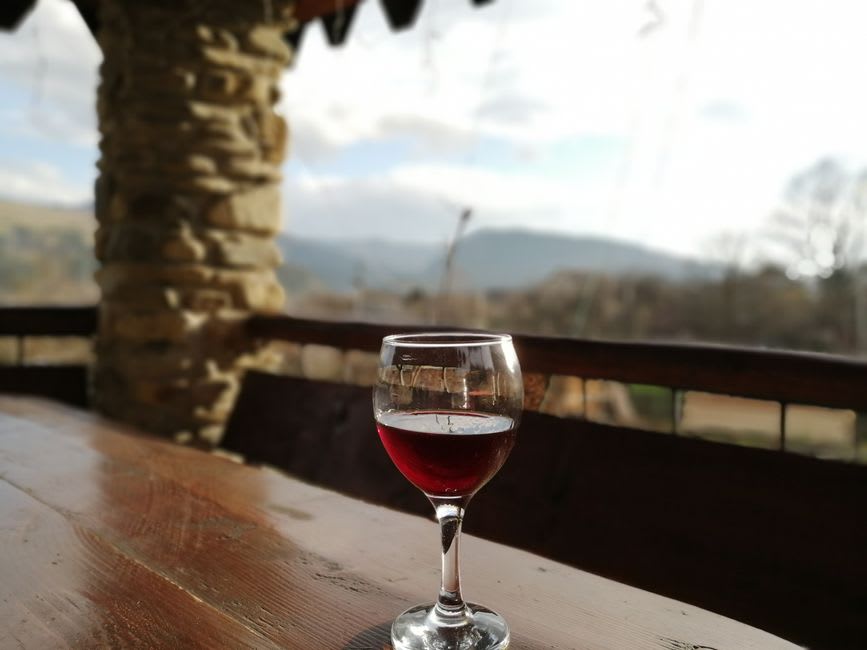
What I liked most was simply walking Via Pretoria in the early evening, when Potenza does its passeggiata like every other Italian town, except here the whole promenade tilts and curves along the spine of the ridge with the mountains visible at either end of the street. The Torre Guevara, a surviving medieval tower, anchors one end of the old town, a reminder of the Norman and Swabian rule that shaped Basilicata long before Italy existed as a country. I ducked into a small enoteca off the main street and drank a glass of Aglianico del Vulture — the black grape grown on the volcanic slopes of nearby Monte Vulture, which produces one of southern Italy’s most serious, underrated reds — and the owner talked for twenty minutes about the 1980 earthquake like it had happened last year, which in the memory of a city this size, it more or less had.
Potenza isn’t a place you build a whole Italian itinerary around, and I won’t pretend otherwise. But as a base for exploring the wild interior of Basilicata — the Lucanian Dolomites, the Pollino massif, the ancient city of Venosa — it earns its keep, and the city itself, stubborn and vertical and quietly proud, is worth an afternoon on its own terms.
When to go: Late spring and early autumn keep the mountain air comfortable; winters here get genuinely cold and occasionally snowy for a place this far south, a surprise for anyone assuming all of southern Italy stays mild.