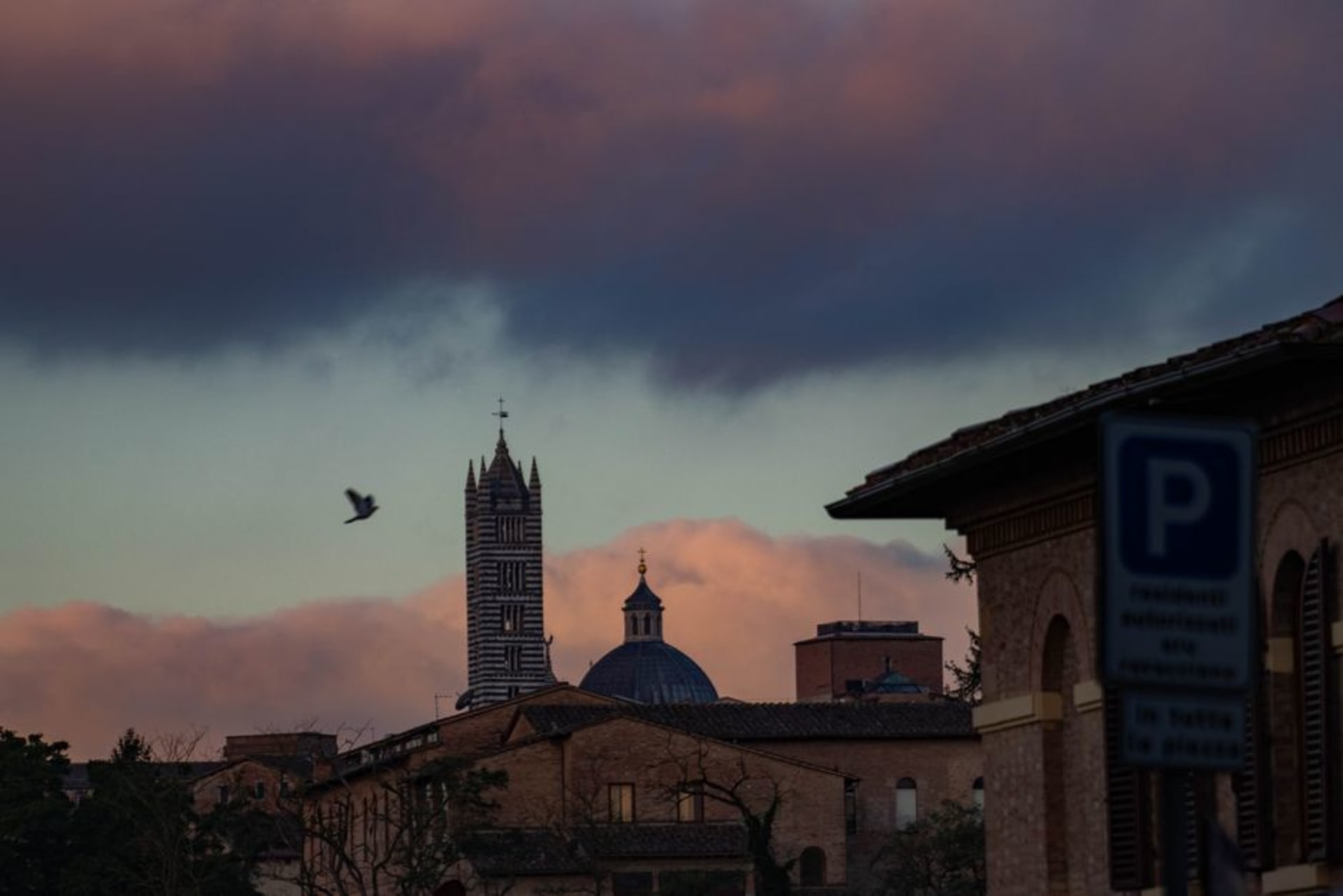
Modena
"Modena taught me that a drop of something twenty-five years old can be worth more attention than most whole meals."
The city that turned reduced grape must into liquid gold and reduced-cylinder engines into religion, and somehow keeps both obsessions in perfect proportion.
Modena runs on two obsessions that shouldn’t logically coexist in one mid-sized Emilian city: balsamic vinegar aged like fine cognac in attics, and some of the fastest cars ever built. Ferrari, Maserati, and Lamborghini all have roots within a short drive of here, and Enzo Ferrari himself was born in Modena in 1898 — the Museo Enzo Ferrari, built around the workshop his father ran, sits a few streets from the medieval center like a spaceship that landed by mistake, all yellow curves against Modena’s brick and stone. I’m not much of a car person, and even I got swept up watching a Formula 1 engine spinning slowly under glass, the same red as the vinegar bottles I’d been photographing an hour earlier.
Aceto Balsamico Tradizionale
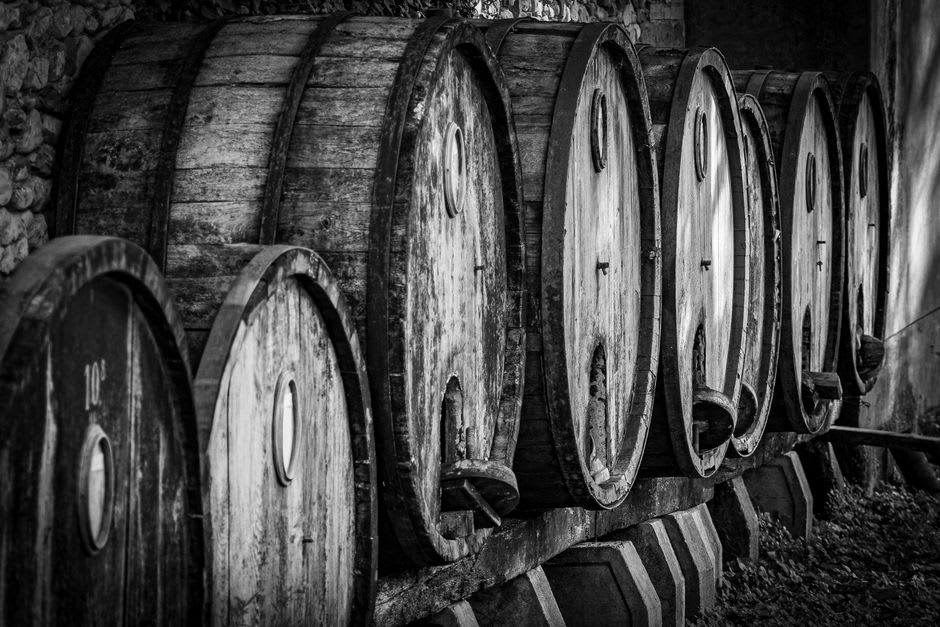
Real traditional balsamic vinegar of Modena bears almost no relation to the thin, vaguely sweet stuff sold as balsamic vinaigrette abroad. It’s made from cooked grape must, no wine vinegar added, aged for a minimum of twelve years — often twenty-five or more — moving through a series of progressively smaller wooden barrels made of different woods (oak, chestnut, cherry, juniper) in an attic, or acetaia, where it slowly evaporates and concentrates under the changing seasonal heat. I visited a family acetaia on the edge of town, climbed a ladder into a low-beamed loft that smelled like a cathedral built out of caramel, and was handed a wooden spoon with a few drops of twenty-five-year vinegar on it. It tasted like nothing I expected from a condiment: dense, almost syrupy, fig and molasses and a startling acidic snap at the very end. A small bottle costs what you’d pay for a decent bottle of wine, and having tasted the real thing, I finally understood why.
The Duomo and the Ghirlandina
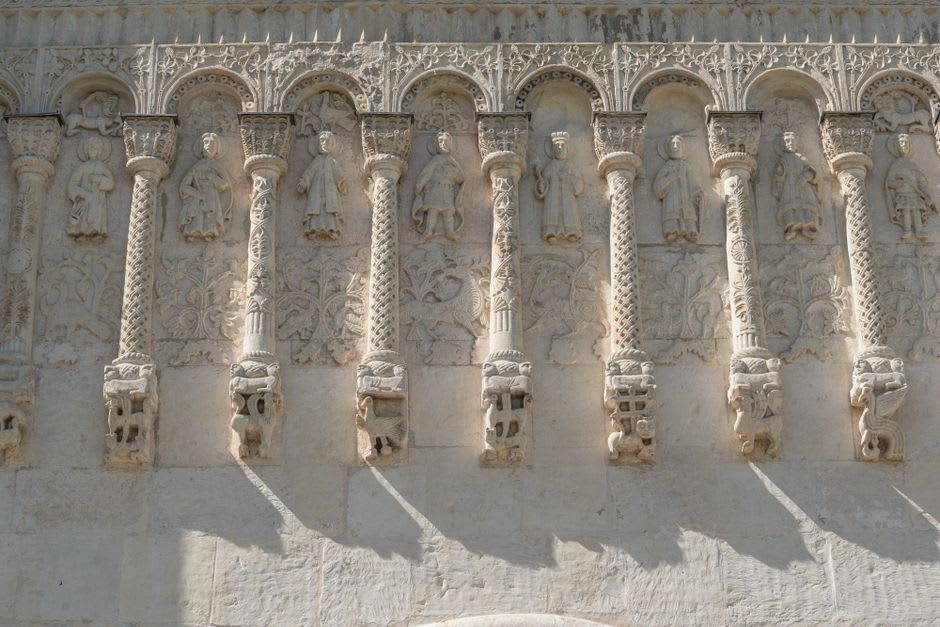
Modena’s Duomo, begun in 1099 and another UNESCO World Heritage Site, is one of the finest Romanesque cathedrals in Italy, its facade carved by the sculptor Wiligelmo with scenes from Genesis that are startlingly direct and expressive for their age — Adam and Eve looking genuinely stricken, not stylized. Beside it rises the Ghirlandina, the leaning bell tower that’s become the city’s emblem, its name meaning “little garland” for the delicate spire ringing its top. I climbed it on a clear afternoon and could see clean across the Po valley toward the Apennine foothills. Afterward, in a trattoria off Piazza Grande, I ate tortellini in brodo — the tiny, precisely pleated pasta that Modena and neighboring Bologna both claim to have invented, legend holding that the shape was modeled on Venus’s navel, which is either the most romantic or most ridiculous origin story in Italian cuisine, and possibly both.
When to go: Late spring or early autumn for comfortable walking weather; try to time a visit with an acetaia tour by appointment, since the best ones are small family operations that don’t keep casual visiting hours.