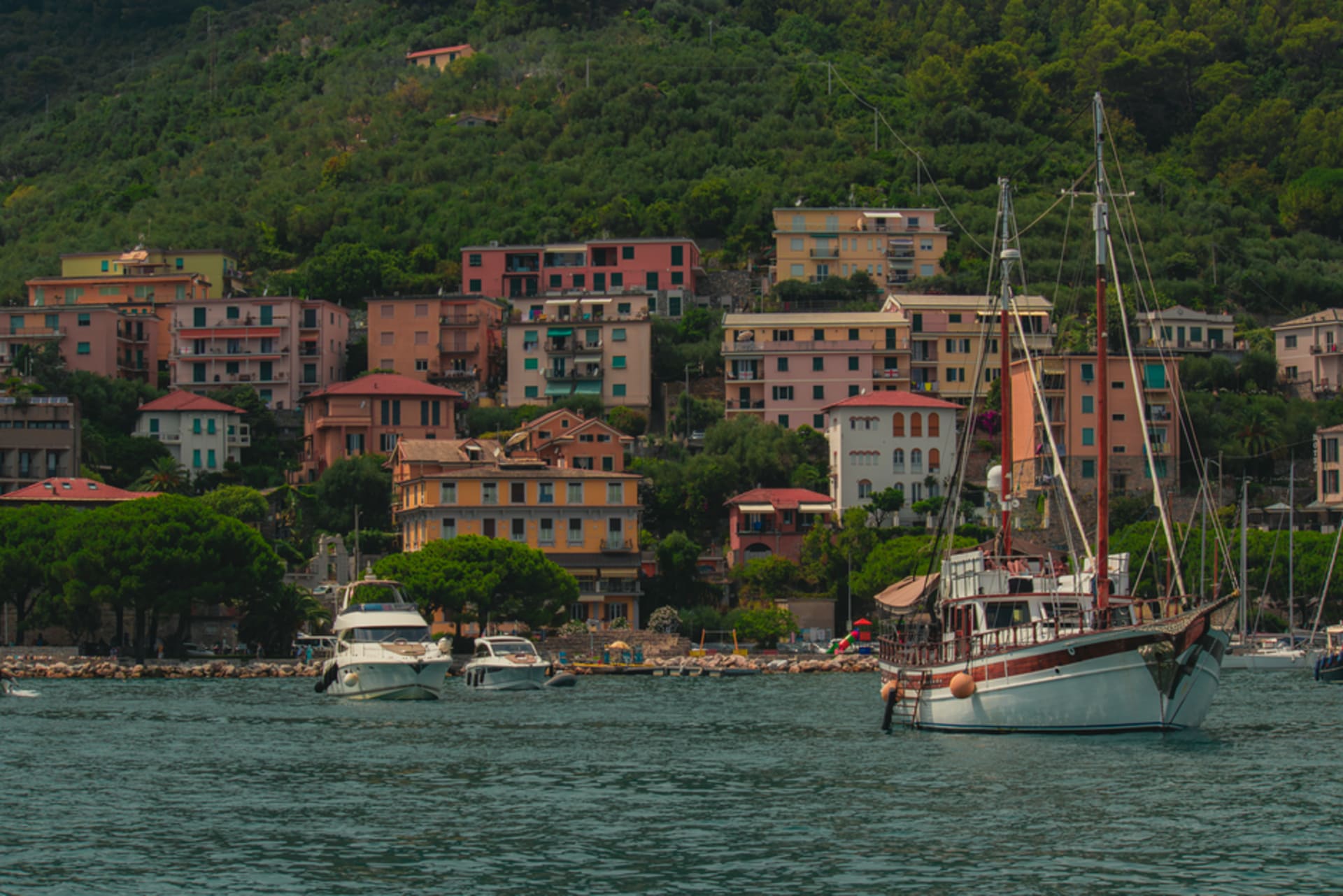
The unglamorous port town that hands you the keys to the Cinque Terre — and turns out to be worth staying in for its own sake.
I almost didn’t stop in La Spezia. Like most people who come this way, I had my eyes fixed on the five villages clinging to the cliffs further up the coast, and La Spezia was just the train station where you change lines, the port where you buy your Cinque Terre card, the place you forget the moment the boat pulls away. Then my connection was delayed by ninety minutes, and I spent them wandering the arcaded streets of the old center instead of sulking on a platform, and I understood why the locals get a little defensive when you call their city a mere gateway.
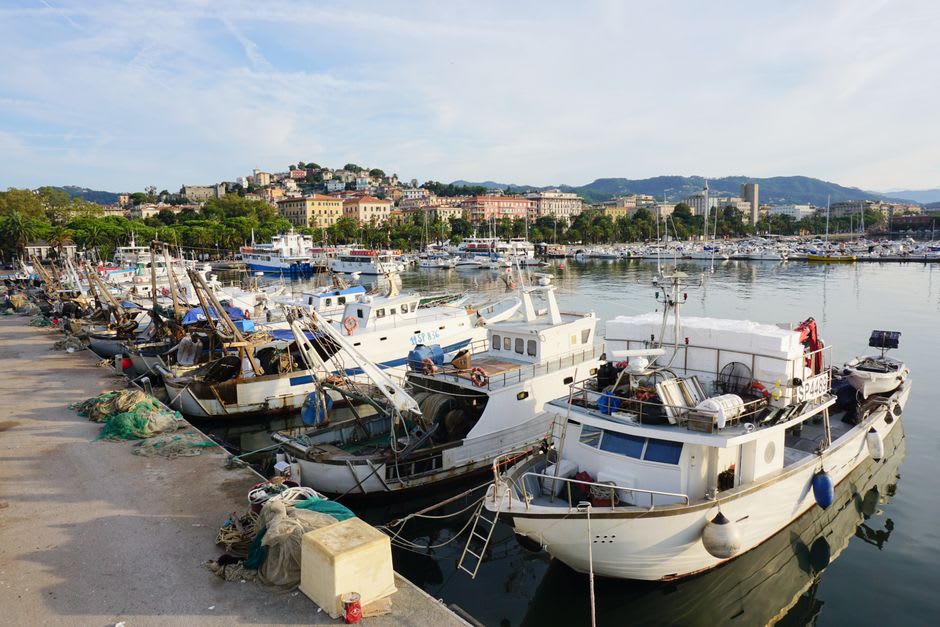
La Spezia is a naval town, and it wears that history plainly — this has been one of Italy’s principal military ports since the nineteenth century, when the young Italian state built its main arsenal here, tucked into a deep, sheltered gulf that the Romans and Genoese had already recognized as a strategic prize centuries earlier. Shelley drowned in these waters in 1822, sailing back from Livorno in a storm, and the gulf still carries his name in local memory — the Golfo dei Poeti, the Gulf of Poets, because Byron and Shelley both spent time on this coast and something about the light here has always attracted people who write. Walk the Passeggiata Morin, the palm-lined waterfront promenade, in the early evening and you’ll see why: the bay curves around like an amphitheater, fishing boats and naval vessels share the same water, and the hills behind the city go a deep blue-green as the sun drops.
A City of Its Own
The old town itself is unpretentious in the best sense — no one has dressed it up for tourists, because until fairly recently no one expected tourists to linger. Via del Prione is the pedestrian spine, lined with shops and bars where you’ll hear more Ligurian dialect than English. The Museo Amedeo Lia, housed in a former convent, holds a genuinely excellent collection of medieval and Renaissance art that most Cinque Terre day-trippers never suspect exists three minutes from the station. I spent an hour there almost alone, which never happens in Florence or Venice, and left feeling like I’d gotten away with something.
Why Base Yourself Here
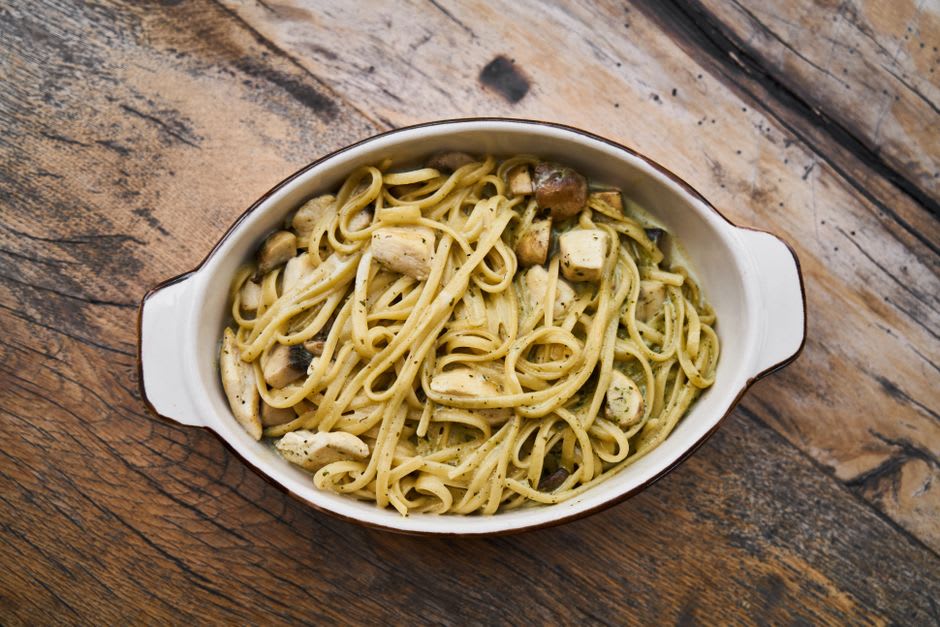
The practical argument for staying in La Spezia rather than sleeping in Vernazza or Monterosso is simple: the villages are tiny, prices there are inflated by scarcity, and the trains along this stretch of coast run every fifteen or twenty minutes and take under half an hour to reach any of the five. Stay in La Spezia and you get real prices, real Ligurian food — trofie al pesto made the way it’s supposed to be, with the small, twisted pasta that holds the sauce, and farinata, the chickpea flatbread sold by weight from bakery windows — and you still get the villages, just without paying tourist tax to sleep in them. In the mornings I’d take the local train up to whichever village looked least crowded on a given day, hike a stretch of the coastal path between two of them, and be back in La Spezia by evening for a plate of mussels and a glass of local Vermentino, the crisp white wine that grows on these terraced, sun-baked slopes.
The gulf itself rewards a slower look too — boats leave from the harbor for Portovenere, the fortified village at the tip of the peninsula with its striped church of San Pietro perched on black rock above the sea, and for the islands of Palmaria, Tino, and Tinetto just offshore. It’s a shorter, cheaper, less crowded version of the Cinque Terre boat trips, and I liked it more.
When to go: Late May and June, or September, when the coastal paths are open, the sea is warm enough to swim in, and the worst of the August crowds haven’t arrived or have already left.