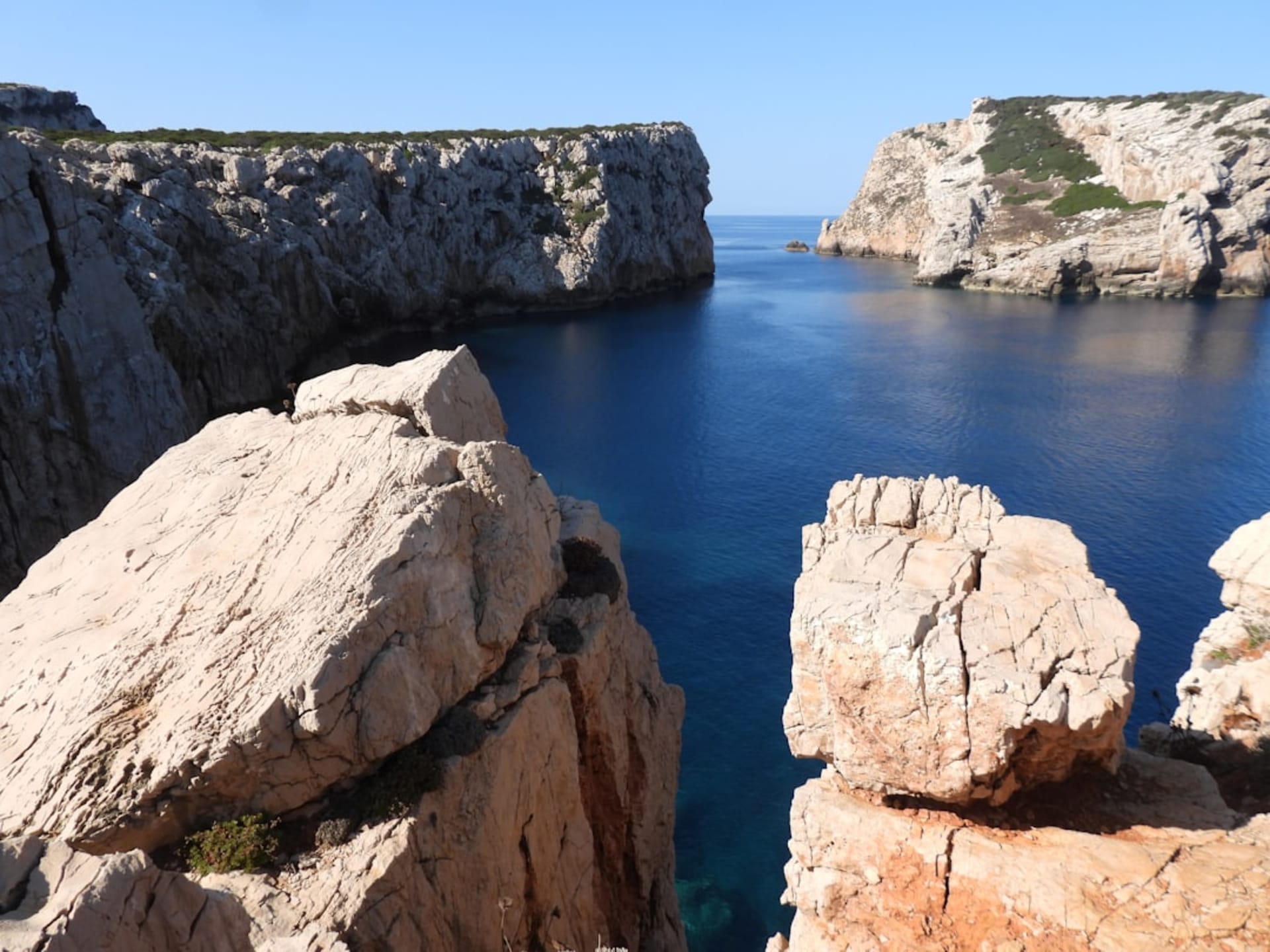
Costa Smeralda
"I came expecting a theme park for yachts and left understanding why the Aga Khan chose this particular sixty kilometers of rock to be jealous of."
A strip of northern Sardinian coastline that looks less like Italy than like an idea of the Mediterranean invented by committee — except the water really is that color, and I checked.
I will admit I arrived at the Costa Smeralda already a little cynical about it. The name itself — the Emerald Coast — sounds like branding, and in a sense it is: this stretch of granite coastline between Olbia and Palau was essentially willed into existence as a resort destination in 1962, when the Aga Khan IV and a consortium of investors bought up tens of kilometers of scrubby, undeveloped shoreline and began building Porto Cervo, the marina town that anchors the whole project. It is, technically, one of the more artificial landscapes in Sardinia in terms of human intent. And then I actually saw the water and stopped caring about any of that.
The Color Is Not a Filter
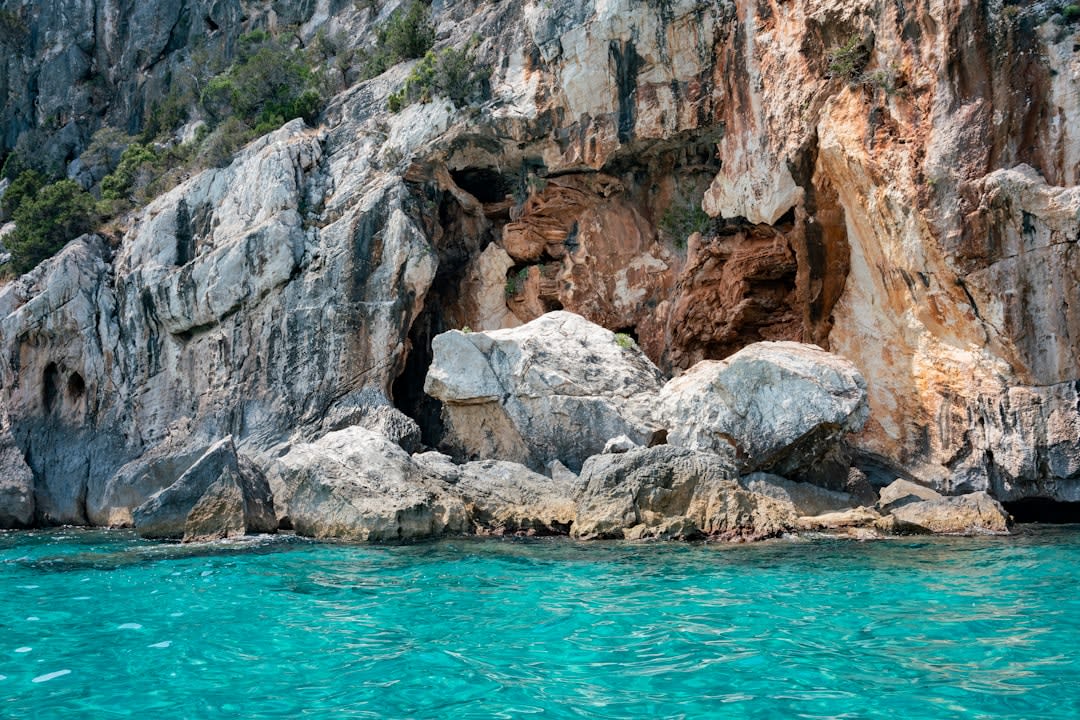
What nobody quite prepares you for is the specific optical trick this coast performs. The granite here erodes into pale pink and grey boulders, smoothed into strange rounded shapes by wind and salt, and where they meet the sea the water goes through a gradient that looks lifted from a travel brochure someone photoshopped too aggressively — pale turquoise in the shallows, a deep glassy jade a few meters out, then a navy that swallows the seabed entirely. I anchored a rented dinghy near Capriccioli one afternoon and just sat there, mask around my neck, unable to justify getting in the water because the surface itself was more interesting than what was under it. The Maddalena archipelago sits just offshore to the north, a scatter of granite islands protected as a national park, and the light bouncing off all that pale rock does something to the color of the sea that I have not seen replicated anywhere else in the Mediterranean, including my own coastline back home.
Porto Cervo and the Business of Looking Good
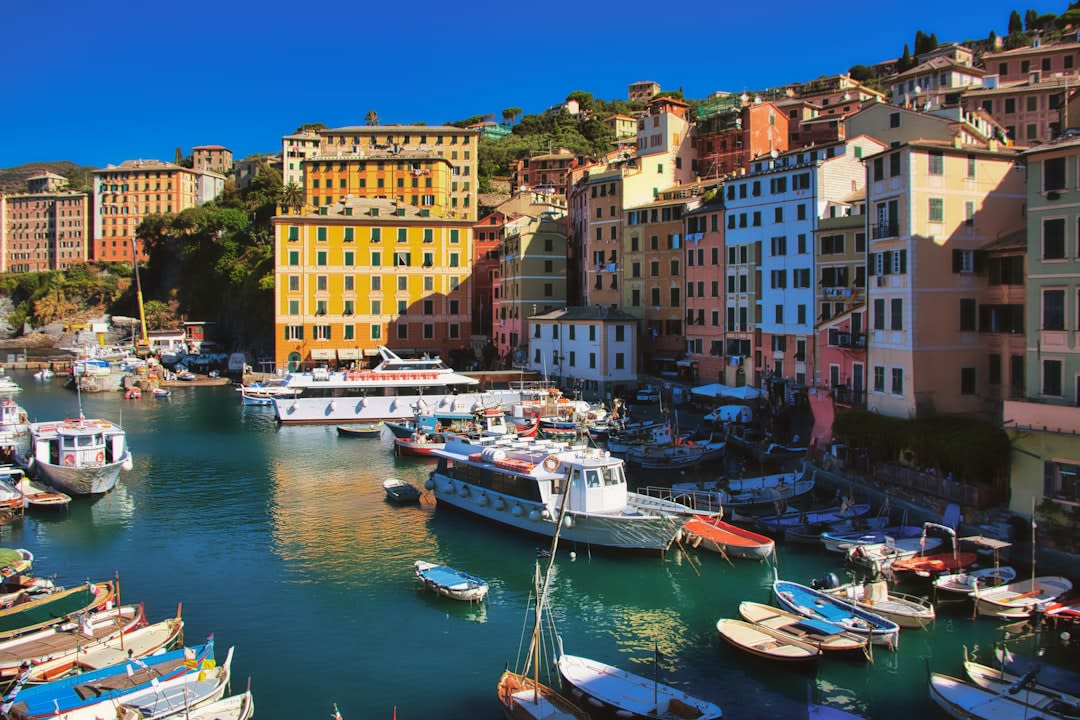
Porto Cervo itself is worth an evening even if, like me, you have no interest in the yachts stacked three-deep in the marina during the summer season. The town was designed by the architect Luigi Vietti to look like it had always been there — ochre and terracotta buildings climbing a hillside around the piazzetta in a studied approximation of a Ligurian fishing village, right down to the deliberately irregular stone paving. It is a stage set, and everyone involved seems to know it, which somehow makes it more enjoyable rather than less. I had a coffee in the piazzetta at nine in the morning, before the boutiques opened and while the only other people around were staff hosing down the pavement, and it felt almost sincere. Come back at ten at night in August and it is a different, louder animal entirely — Riva speedboats gunning engines in the harbor, aperitivo crowds spilling out of bars, a wealth display so unselfconscious it becomes almost anthropologically interesting. Baja Sardinia and Liscia di Vacca, the neighboring hamlets, have their own quieter versions of the same performance, with beach clubs tucked into coves that require a bit of walking or a boat to reach.
Getting Past the Reputation
The trick to the Costa Smeralda, I decided by the end of my stay, is to treat the built-up marina towns as a brief detour and spend most of your time on the water or on the granite. Spiaggia del Principe, named for the Aga Khan himself, and the beaches around Romazzino are genuinely spectacular and open to anyone willing to find parking and walk the last stretch. A boat trip out to the Maddalena islands, particularly to the improbably white sand of Spiaggia Rosa on Budelli (now protected and off-limits to swimmers, but visible from the water), is worth arranging even at tourist prices. The coast rewards people who came for the geology and the sea rather than the marina bars, and there is more of that coast than the glossy photographs suggest.
When to go: Late May through June or September offers the same water and light without the August crush of yachts and inflated prices; July and August are spectacular but crowded and expensive by any Italian standard.