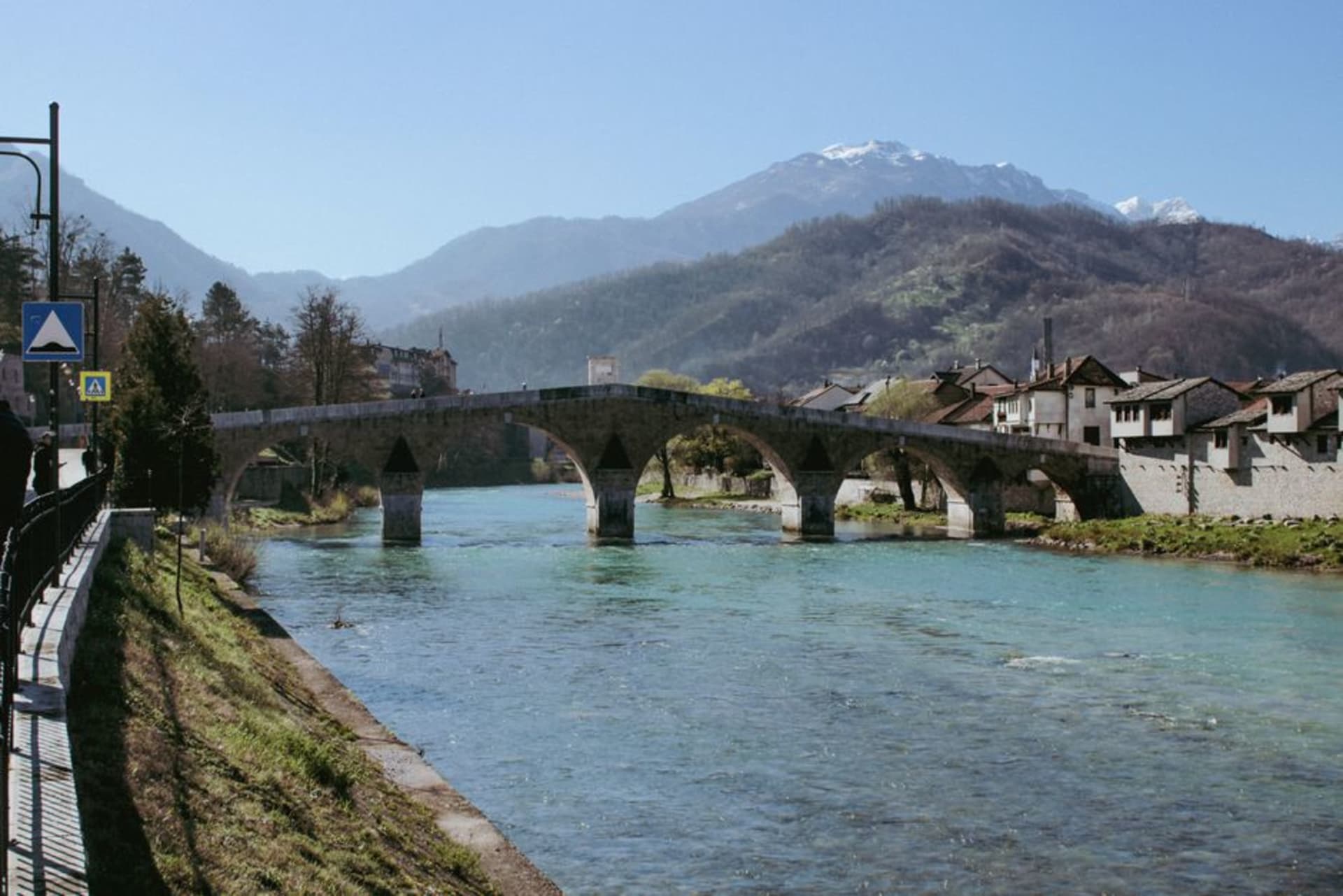
Cividale del Friuli
"Some towns whisper their history. Cividale makes you cross a bridge named after the devil to hear it."
A Lombard capital wedged into a gorge, where a bridge called 'of the devil' guards the last real trace of an entire lost people.
Julius Caesar founded it as Forum Iulii — the origin, linguists will tell you, of the very name “Friuli” — but it was the Lombards who made Cividale matter. When this Germanic people swept into northern Italy in 568 AD, they made this small town on the Natisone river their first capital, the seat of their earliest duchy, before Lombard power shifted west toward Pavia. That thousand-year-old layer is still legible if you know where to look, and it’s why UNESCO inscribed Cividale as part of the “Longobards in Italy” World Heritage sites. I’d read about the Lombards in school as a footnote between the fall of Rome and Charlemagne; here they stop being a footnote and become a room you can walk into.
The Devil’s Bridge and the Ravine
The town’s signature is the Ponte del Diavolo, the Devil’s Bridge, a steep single-span stone arch thrown across a limestone gorge where the Natisone runs an almost unreal turquoise-green, fed by mineral deposits upstream. The current bridge dates to the 1400s, rebuilt after WWI damage, but the legend attached to it is older and typically Friulian in its dry humor: townspeople, unable to finish the span, supposedly struck a deal with the devil, who built it overnight in exchange for the first soul to cross — and the villagers, cunning rather than damned, sent a cat over first. I stood on that bridge at dusk watching the water go nearly phosphorescent in the fading light and understood immediately why someone felt the need to invent a devil to explain it.
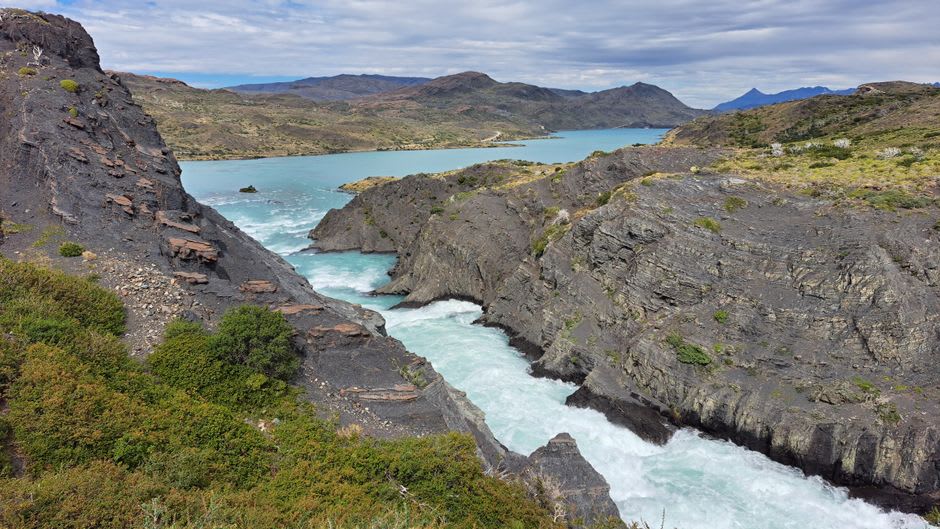
The Lombard Temple
Down a narrow lane near the river sits the Tempietto Longobardo, the Lombard Temple, an eighth-century oratory that is one of the rarest surviving pieces of early medieval architecture in Europe — a small vaulted hall decorated with stucco figures of saints, their faces worn but still eerily present, wearing court dress that art historians pore over as one of the only surviving windows into how Lombard nobility actually looked. It’s easy to miss if you’re rushing between the bridge and the cathedral, and I nearly did. Nearby, the National Archaeological Museum holds Lombard grave goods — gold crosses, jeweled fibulae, swords — pulled from necropolises around town, offering the same jolt Aquileia’s museum gives you an hour down the road, just for a different empire entirely.
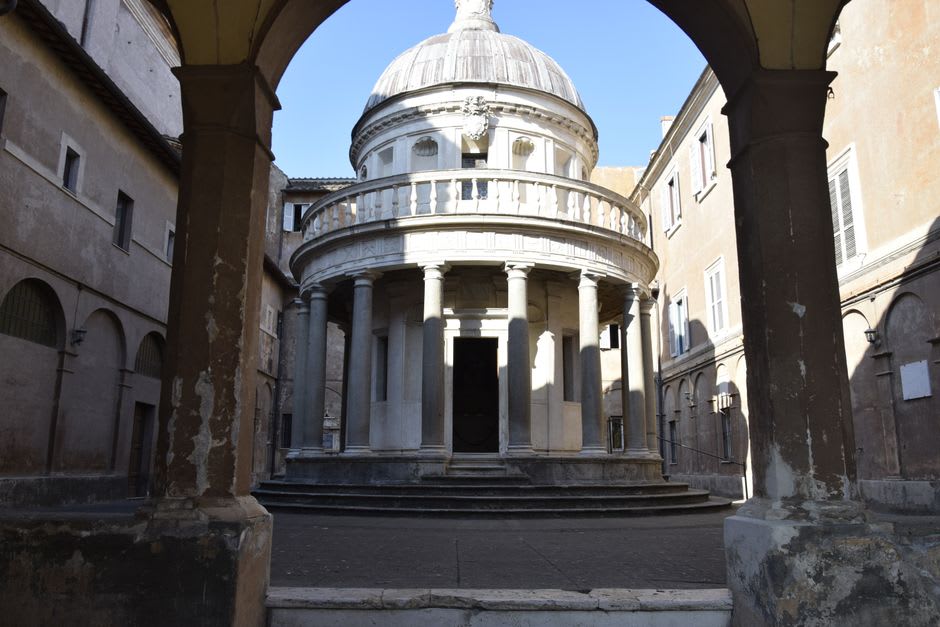
When to go: Early autumn, when the Natisone runs low and impossibly clear and the town’s harvest festivals bring out Friulian frico and local Schioppettino wine; it’s a manageable half-day trip from Udine if you’re already in the region.