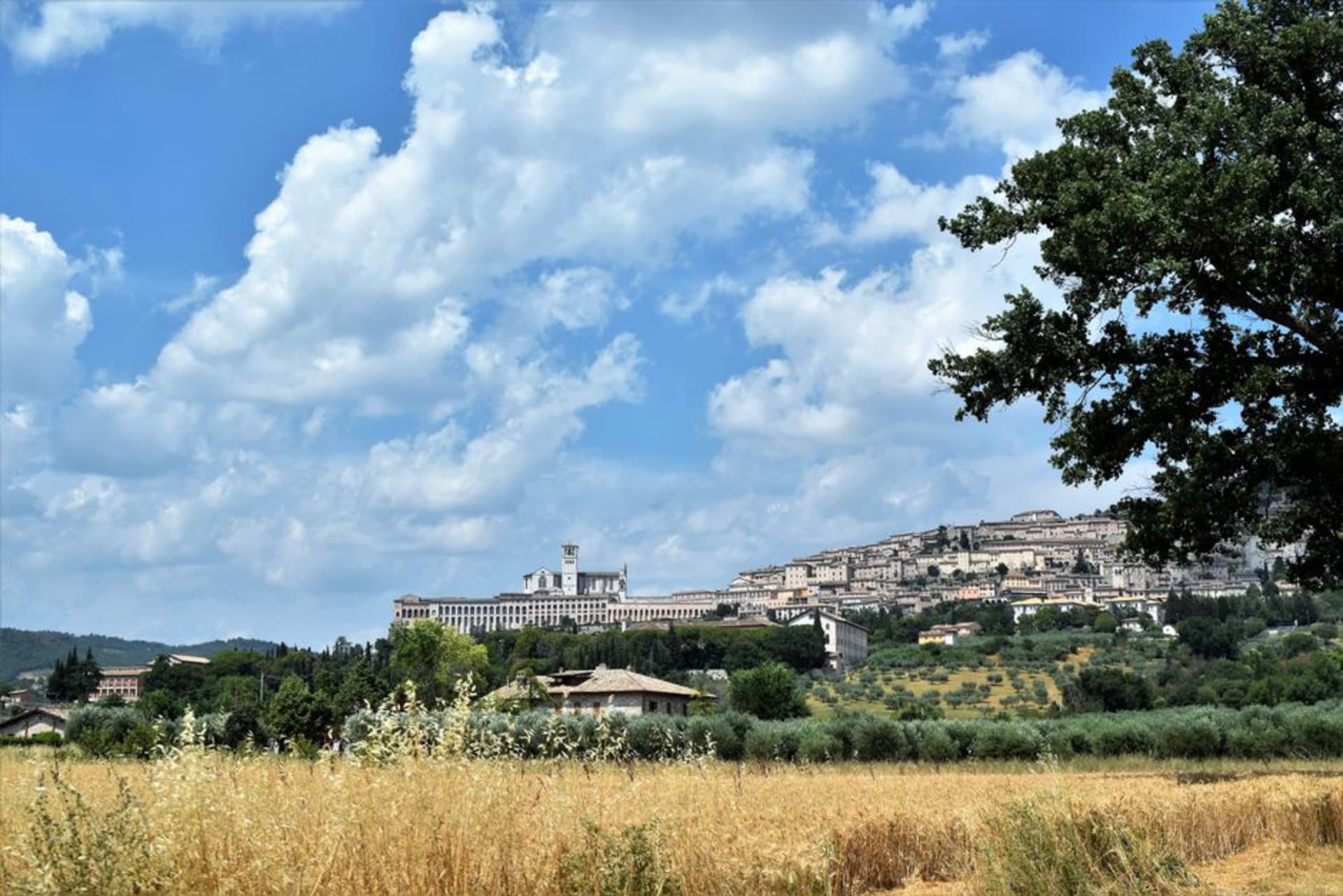
Assisi
"The stone here turns pink at dusk, and for a moment I understood why people call this place holy."
A pink stone town on the flank of Monte Subasio, quieter and stranger than its reputation as a pilgrimage stop would suggest.
I am not a religious person, and I went to Assisi half-expecting to feel like a tourist wandering through someone else’s devotion. Instead I found a town that got under my skin in a way I hadn’t anticipated — partly the architecture, partly the light, partly the sheer improbability of Francesco di Bernardone, a rich cloth merchant’s son, giving away everything he owned in this exact spot eight hundred years ago and setting off a movement that reshaped the Catholic Church. Assisi is built from the local pietra rosa, a soft pink limestone quarried from Monte Subasio right behind the town, and at sunset the whole place genuinely does turn the color of a fading rose — I stood in front of the Basilica di San Francesco watching this happen and understood, briefly, why this stone in this light convinced so many people they were seeing something more than architecture.
The Basilica and Giotto’s Frescoes
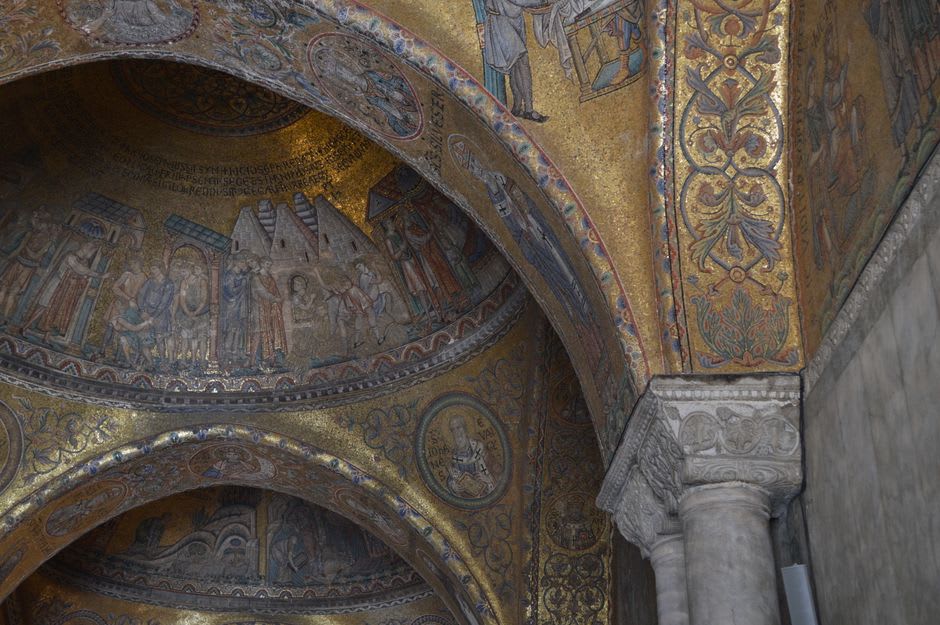
The Basilica itself is really two churches stacked on top of each other, the Lower and Upper, built with almost architectural haste in the decades after Francis’s death in 1226 and his canonization just two years later — the Church moved fast to consecrate ground for a saint this popular. The Upper Basilica’s nave is covered in frescoes traditionally attributed to Giotto, depicting the life of Francis in a sequence that essentially invented a new visual language for Western painting — figures with actual weight and emotion, a startling departure from the flat, symbolic Byzantine style that came before. A devastating earthquake in 1997 collapsed sections of the vault and killed four people, including two friars, and watching restorers piece frescoes back together from thousands of fragments became one of the great conservation stories of modern Italy. Standing beneath those vaults now, restored, you would never know.
Up to the Rocca and Out to the Hermitage
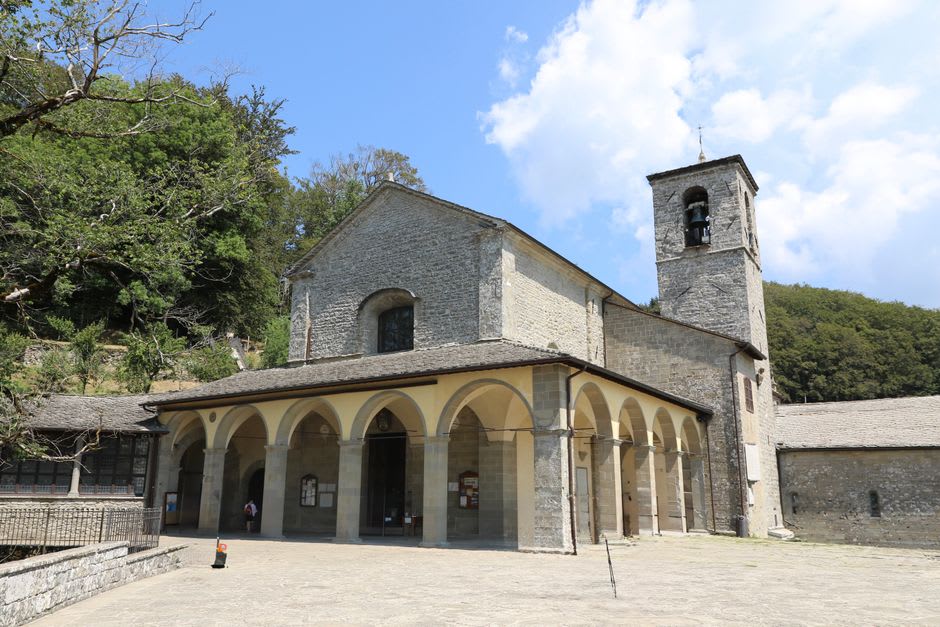
Above the town, the Rocca Maggiore fortress offers the view that makes sense of Assisi’s whole geography — the Umbrian plain spreading out toward Perugia and Spello, wheat fields and olive groves in every direction, Monte Subasio rising green and close behind. But the place that stayed with me longest was the Eremo delle Carceri, a hermitage tucked into a wooded ravine a few kilometers up the mountain, where Francis and his companions would retreat into caves cut from the rock to pray. It’s a short, steep walk from town but it feels like stepping out of the thirteenth century entirely — holm oaks, silence, a small Franciscan community still living there. I sat on a rock near the cave where Francis reportedly slept and, whatever you believe, felt something like what pilgrims must have been chasing for eight centuries.
When to go: Early October, around the Feast of San Francesco on October 4th, when the town fills with pilgrims but also with a genuine, unforced sense of occasion; late spring works too, before the summer heat settles over the Umbrian plain.