Ascoli Piceno
"The whitest city I have ever stood in, and the quietest kind of astonishment I know."
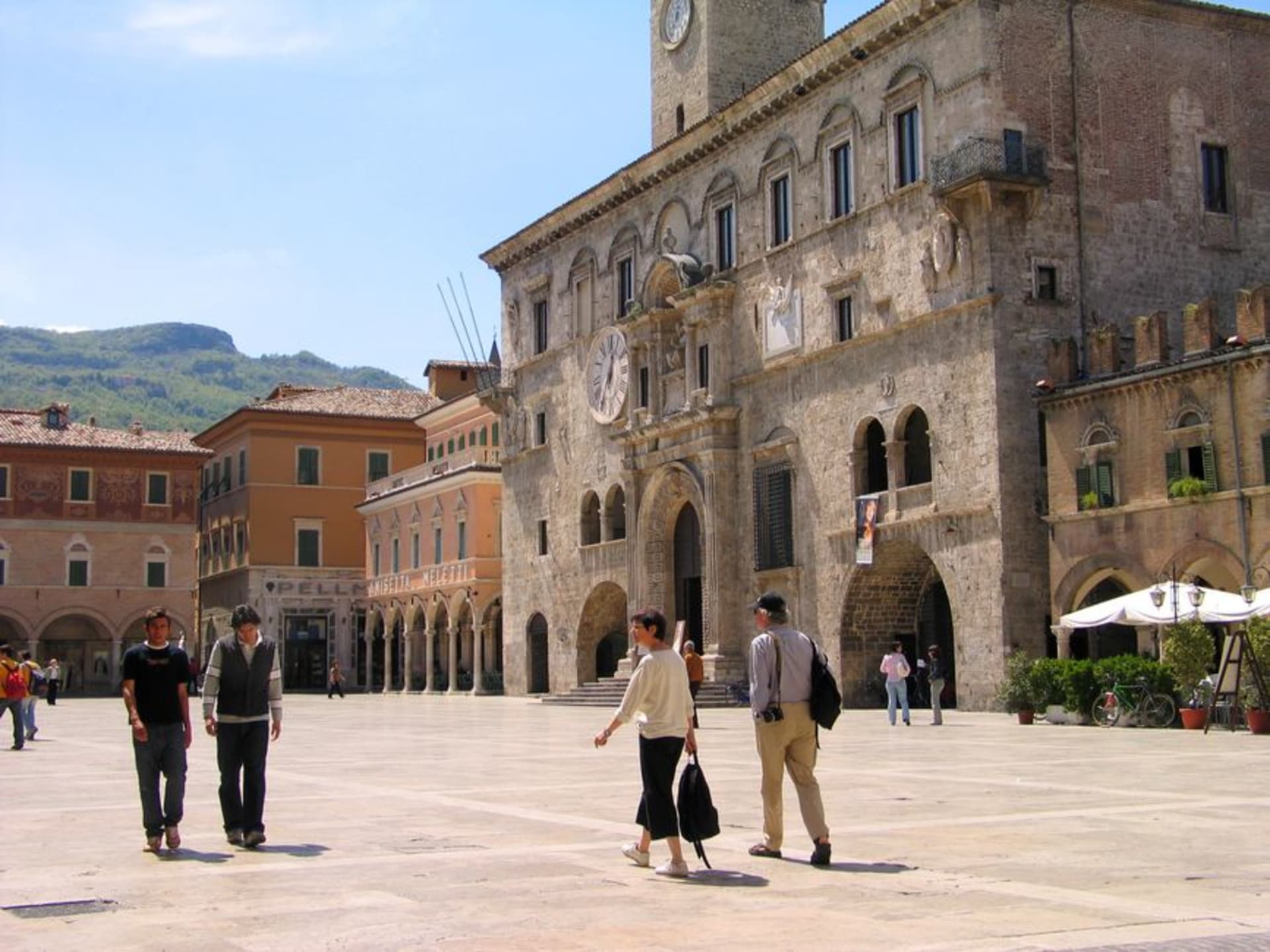
A travertine city so uniformly pale it seems lit from within, tucked into a fold of the Marche where two rivers meet and nobody in Rome or Florence ever thinks to look.
Nobody told me about Ascoli Piceno, which is exactly why I loved it. I’d been working my way down the Adriatic coast, half-planning a detour into the Marche’s interior, when a friend in Rome mentioned — almost as an afterthought — that I should stop where the Tronto and Castellano rivers converge. She undersold it badly. Ascoli is built almost entirely from travertine, the same pale limestone the Romans quarried for the Colosseum, and the effect at golden hour is disorienting: the whole city seems to hold the last light of the day inside its own walls, glowing faintly after the sun has actually gone.
Piazza del Popolo and the Art of Sitting Still
The heart of it is Piazza del Popolo, laid out in the sixteenth century and ringed by porticoes on three sides, with the Gothic Church of San Francesco anchoring the fourth. Locals will tell you, with total sincerity, that this is the most beautiful square in Italy — a claim I’ve heard about a dozen different piazzas, but here I found myself almost agreeing. What struck me wasn’t grandeur so much as proportion: nothing overreaches, nothing competes, the travertine paving and the travertine facades forming one continuous surface that swallows footsteps and amplifies conversation. I sat for two hours at a caffè table doing nothing but watching Ascolani cross the square on their way to somewhere else, and it remains one of the better afternoons I’ve spent in Italy.
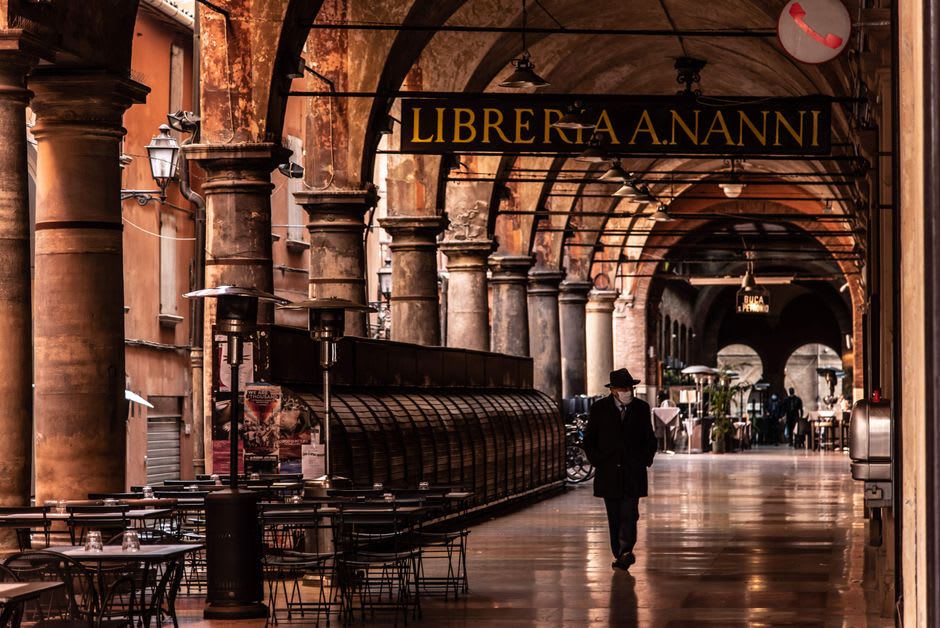
Ascoli’s other claim to fame runs to more than a hundred medieval towers, built by rival noble families in a display of vertical one-upmanship that once made the skyline resemble a stone forest. Most fell to earthquakes, demolitions, or time, but around fifty survive in various states, and wandering the narrow medieval streets — via delle Torri lives up to its name — you keep catching them at unexpected angles between rooftops. The Ponte di Solestà, a single-span Roman bridge still carrying pedestrians over the Castellano after two thousand years, does more to explain Roman engineering confidence than any museum placard could.
The Olive That Changed My Mind
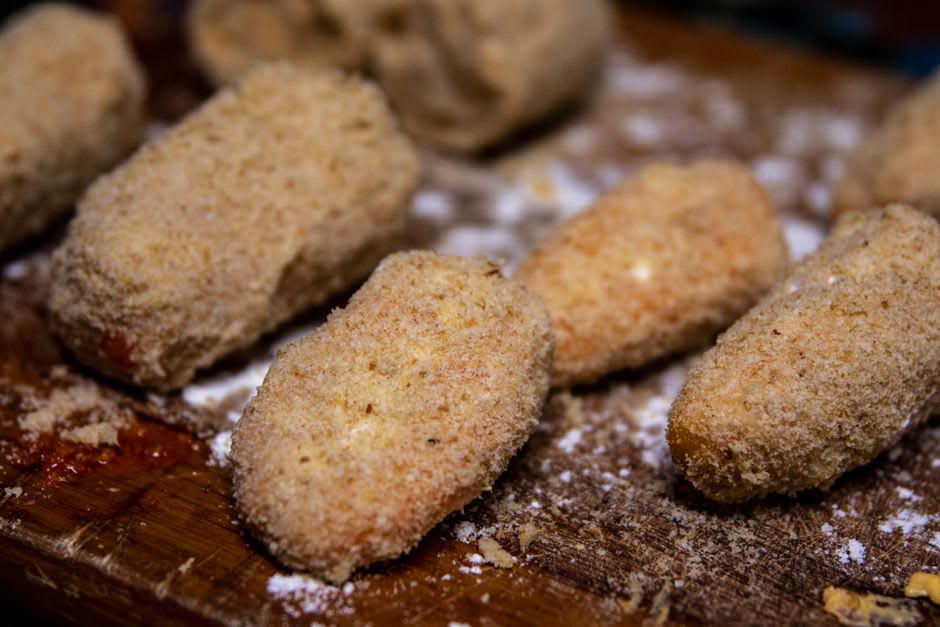
I will admit I came to the Marche skeptical of fried food as a regional identity, and Ascoli cured me of that within a single lunch. The oliva all’ascolana — a large green olive, pitted, stuffed with a mix of three meats, breaded, and deep-fried — sounds like it shouldn’t work and then absolutely does. I ate a plate of them at a trattoria off the piazza with a glass of Falerio, the local white, and understood immediately why this dish has a protected designation of origin. It’s peasant ingenuity dressed up as festival food, the kind of thing every town claims to have invented and only one town actually did.
Ascoli sits far enough inland and off the main rail corridors that it never quite entered the standard Italian itinerary, and that absence of tour groups is its own kind of luxury. The Pinacoteca Civica holds a surprising Crivelli and a cope reportedly gifted by Pope Nicholas IV, seen by almost nobody on the day I visited. I’ve come to think the best Italian cities are the ones just inconvenient enough to keep everyone else away.
When to go: Late spring or early autumn, when the travertine light is at its most flattering and the August heat hasn’t settled into the valley; if you can time it for August 1st through 4th, the Quintana — a medieval jousting festival with the whole city in costume — is worth rearranging a trip around.