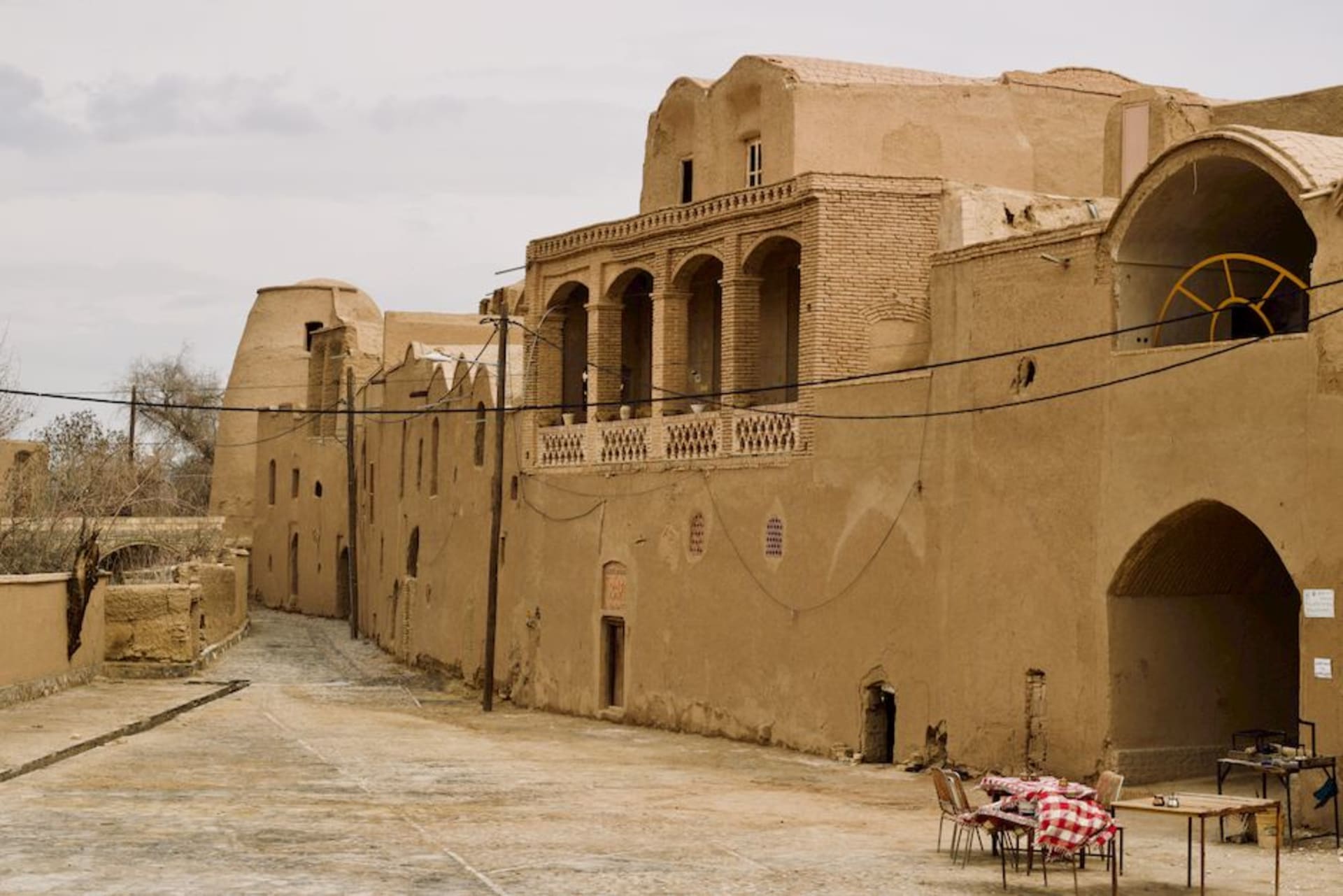
A fortified desert bank where villagers once locked their grain, gold, and daughters' dowries behind a single guarded door and a hidden qanat.
Sar Yazd Castle gets skipped by most itineraries in favor of the bigger names nearby, which is exactly why I liked it. There’s no ticket line, no crowd angling for the same photo — just a low, round, deeply fortified structure sitting alone in flat desert about an hour from Yazd, and a single caretaker who unlocked the door and let me wander the interior at my own pace.
A Vault, Not a Palace
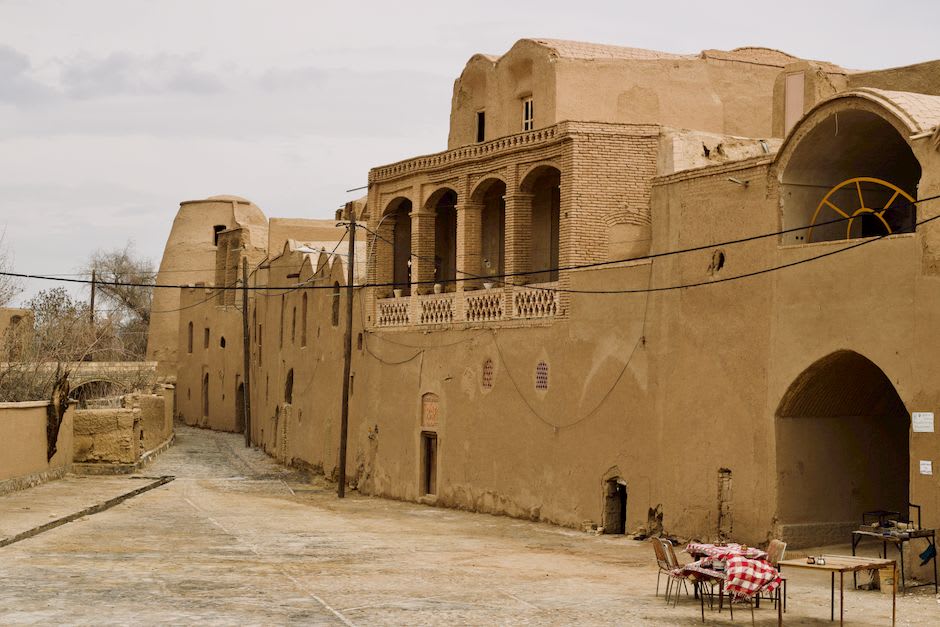
What makes Sar Yazd unusual is its function. This was never a residence for nobility; it was a communal secure storage facility, built around 1,500 years ago so that the surrounding villages could lock away their valuables — grain reserves, gold, dowries, anything worth protecting from raiders or drought years — behind one single fortified entrance. Inside, dozens of small storage chambers are stacked around a circular courtyard, each one originally assigned to a specific family, secured by an internal system that required both a village elder and the depositing family to be present to open it. It’s essentially a medieval safety deposit bank built entirely from mud brick.
The Qanat Underneath
Beneath the castle runs a section of qanat, one of the underground water channels that make life in this part of the desert possible at all, engineered to carry water from underground aquifers to the surface without evaporation loss across sometimes many kilometers. A narrow staircase descends to the water level, and the temperature drops noticeably the further down you go. I stood at the bottom for a few minutes just listening to running water in complete darkness, a sound that felt almost extravagant given the total dryness of everything above ground.
Why It’s Worth the Detour
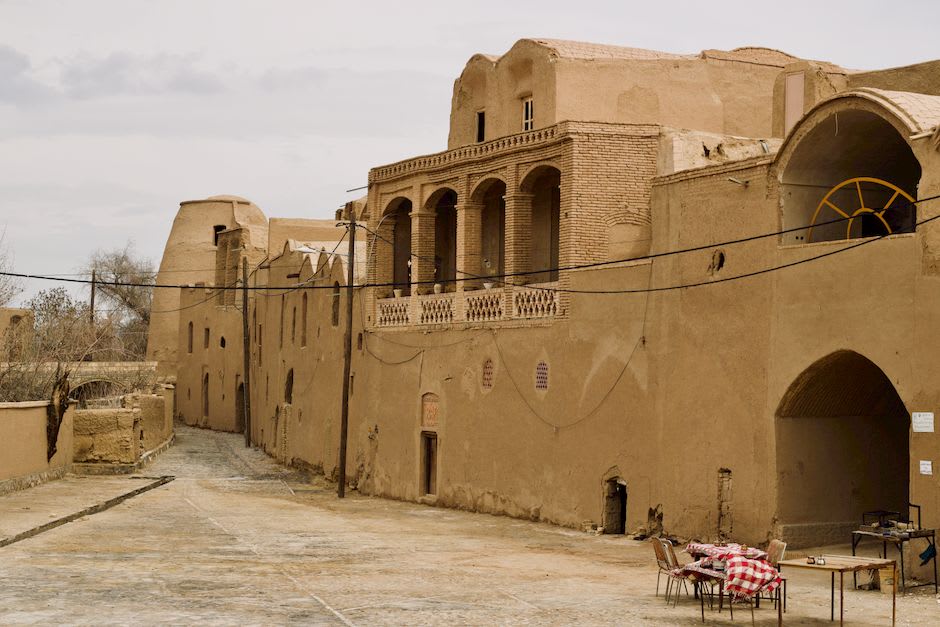
Because Sar Yazd sees so few visitors, the caretaker had time to actually walk me through the mechanics of the place — how the dual-key storage system worked, which families’ names were still associated with which chambers according to local memory, how the qanat connected to the broader network feeding Yazd province. It was the kind of unhurried, specific explanation that rarely survives contact with a tour bus schedule, and it left me with a clearer sense of pre-modern desert economics than anything I read beforehand.
When to go: Any season works well since most of the interior is shaded or underground, though spring and autumn make the surrounding open desert walk more comfortable. Best combined with Meybod or the road toward Kharanaq, since it sits roughly along the same route.