Sari
"Nobody we met in Sari was used to foreign visitors, which somehow made every conversation better."
The provincial capital of Mazandaran, an under-visited base for the Caspian coast with a lively fruit-and-rice bazaar, a forest park at its edge, and none of the tourist infrastructure of Rasht.
Sari is the capital of Mazandaran province, a genuine working city rather than a curated tourist stop, and that distinction is exactly what made it interesting to me after several days of increasingly polished Caspian towns. There’s no old quarter deliberately preserved for visitors, no boutique guesthouses angling for foreign guests — just a mid-sized provincial capital going about its business, with a bazaar, a park, and a river running through the middle of it.
The Bazaar
Sari’s covered bazaar runs long and narrow through the city center, dense with the produce that defines Mazandaran’s agriculture: citrus, kiwi (grown here in genuinely large quantities, something I hadn’t expected from Iran at all), rice in every grade and variety, and stalls of fresh Caspian fish packed in ice. I spent a slow hour just walking the length of it, buying kiwis from a vendor who seemed delighted that a foreigner wanted to talk about kiwi farming rather than just take a photo and move on.
Melli Park and the Tajan River
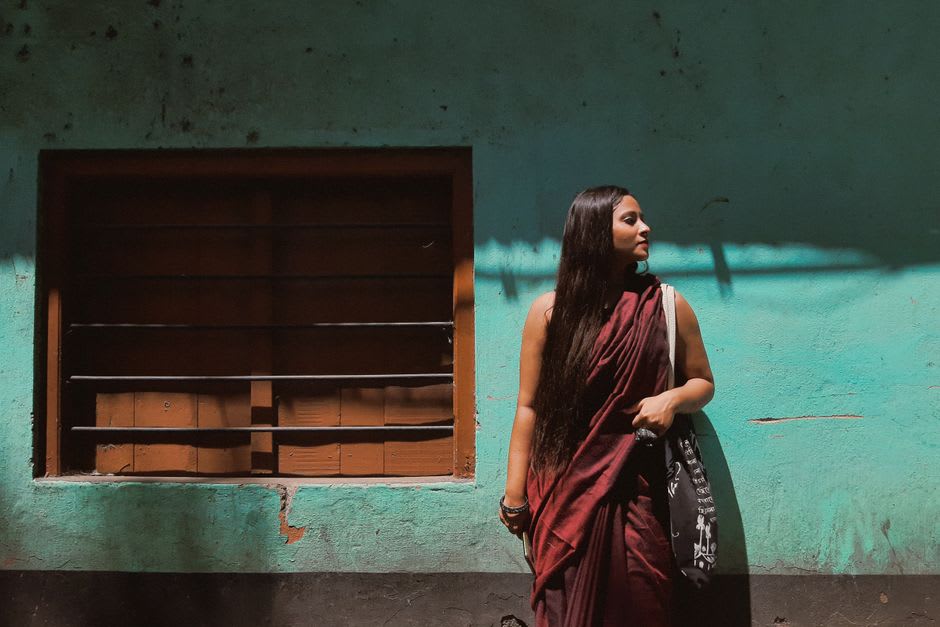
The Tajan River cuts through Sari, and Melli Park along its banks is where the city actually relaxes in the evenings — families picnicking on the grass, teenagers on bikes, an ice cream vendor doing steady business until well after dark. It’s not a landmark park in any guidebook sense, but watching an ordinary Mazandarani evening unfold there gave me a better sense of daily life in the province than any single monument would have.
A Base, Not a Headline
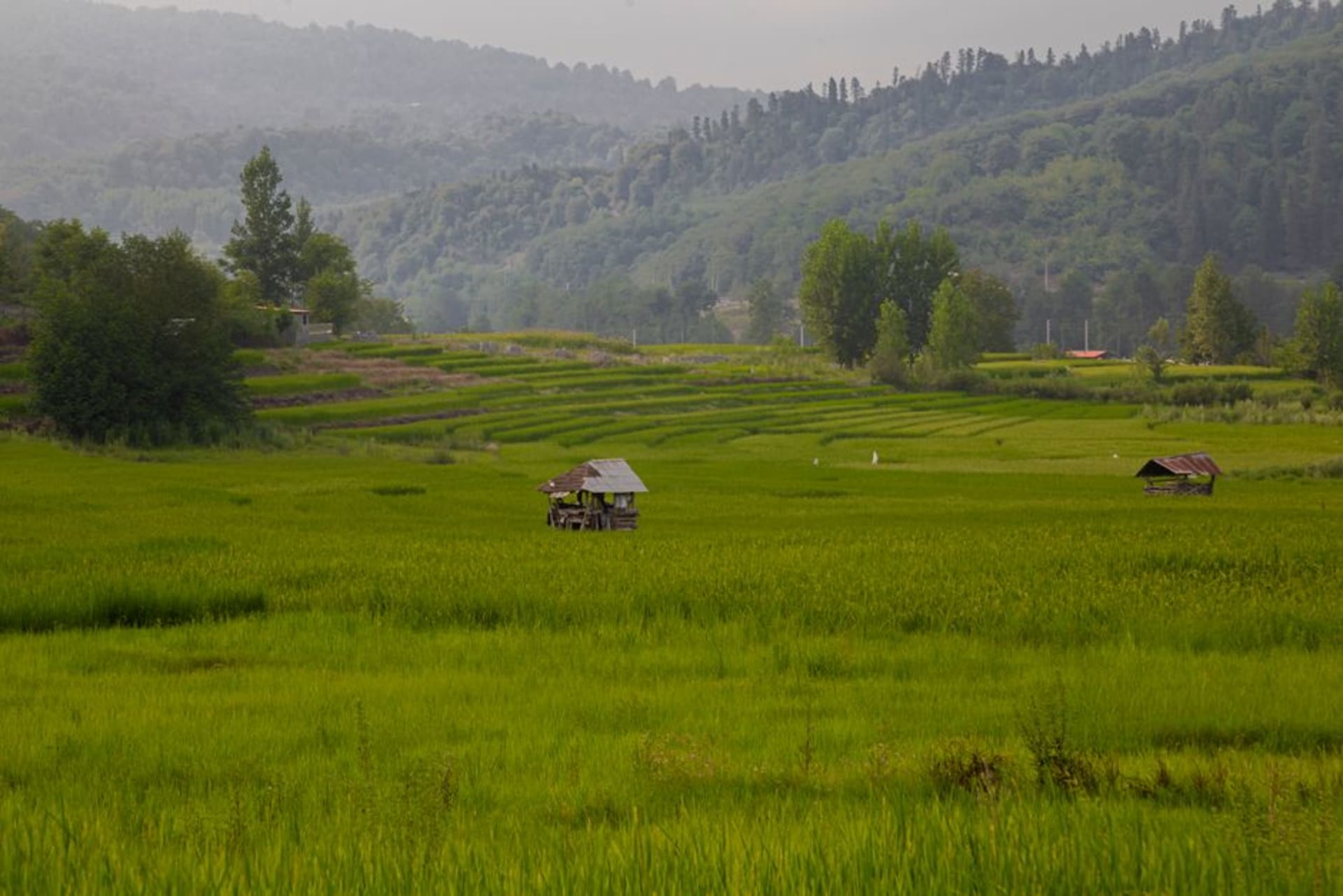
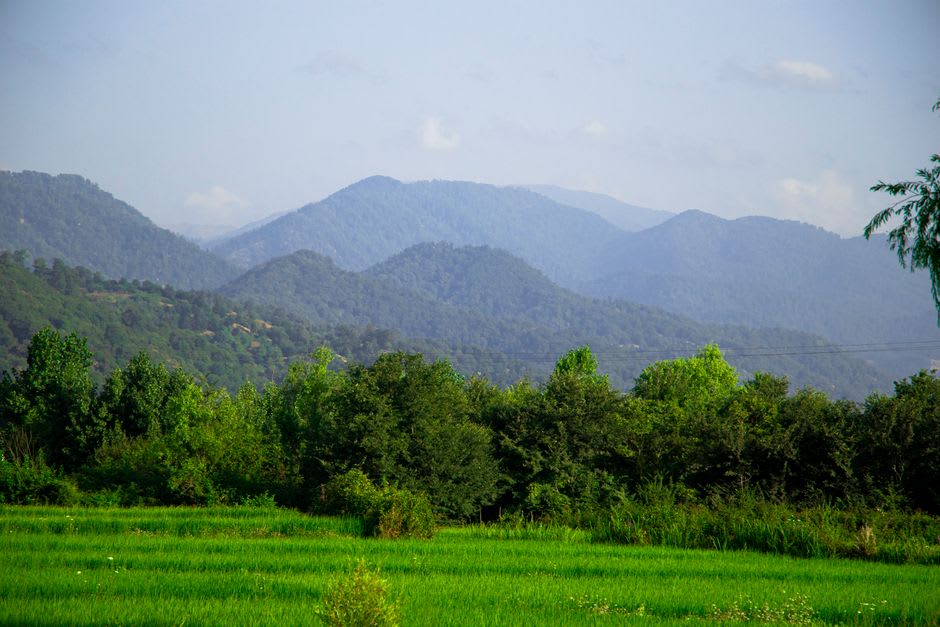
Most visitors treat Sari, if they stop at all, as a logistics point — a place to change buses or break a drive along the coast. I’d argue it’s worth a deliberate overnight precisely because it isn’t performing for tourists: the restaurants serve what locals actually eat, prices are noticeably lower than Ramsar or Rasht, and the surrounding countryside, thick with rice paddies and citrus groves, is easy to explore by a short taxi ride in any direction.
When to go: Late spring through early autumn for the fullest bazaar produce and warm evenings in Melli Park. Winters are mild by Iranian standards but rainy, with the Caspian’s characteristic gray, low-cloud weather settling in for weeks at a stretch.