Uluwatu
"The edge of Bali, in every sense — cliff, culture, and the last swell before Java."
A limestone temple perched on a cliff, macaques stealing sunglasses, and swells that pull surfers from every corner of the world into the same narrow channel.
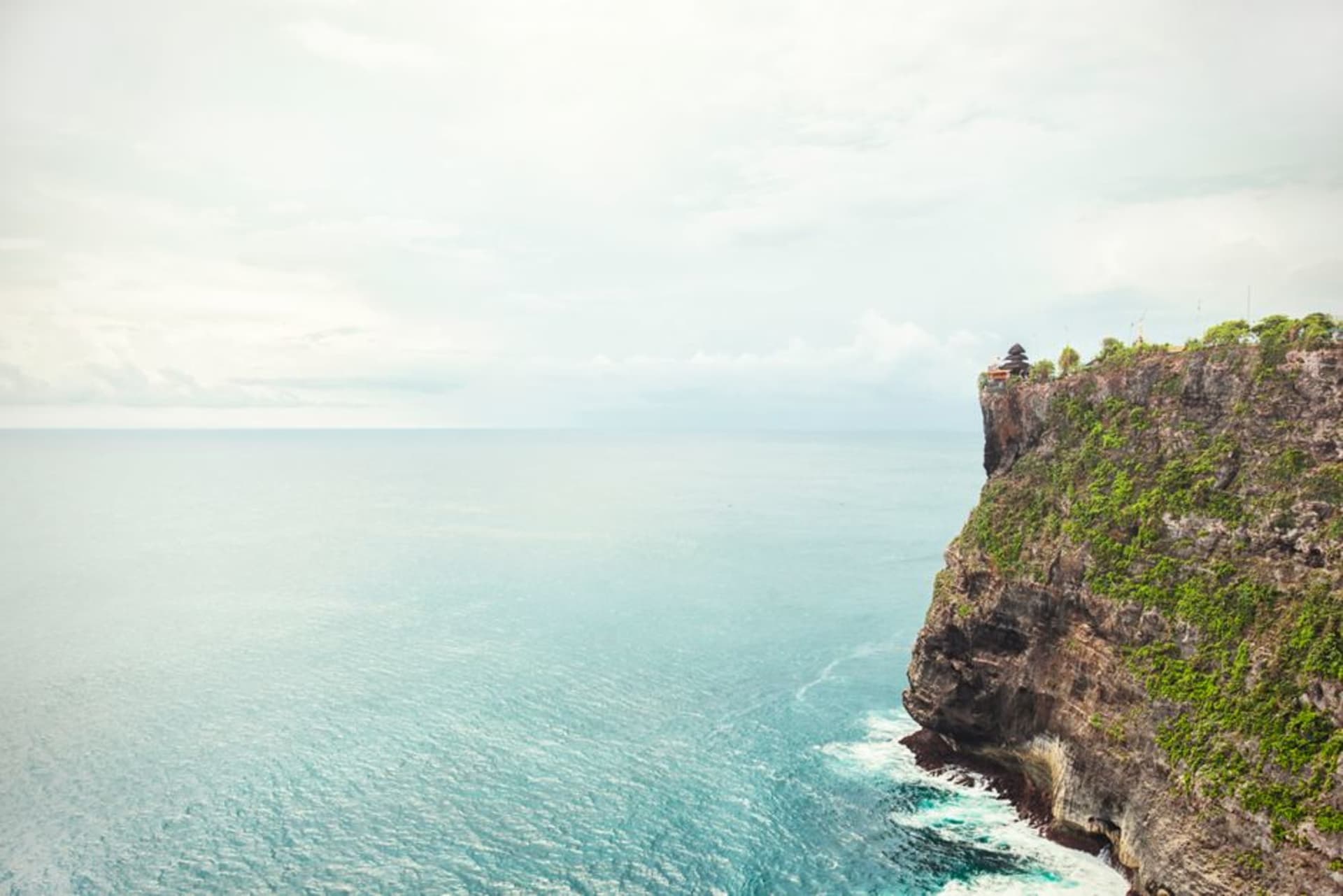
Uluwatu sits on the southwestern tip of the Bukit Peninsula, on a plateau of raised limestone that used to be seabed, and you feel that geology everywhere — in the sheer cliffs dropping seventy meters into the Indian Ocean, in the caves cut into the rock, in the fact that there’s barely any soil here at all, just scrub and stone. Pura Luhur Uluwatu, one of Bali’s six directional sea temples protecting the island from evil spirits, sits right at the cliff’s edge, and it’s one of the few Balinese temples where the setting does more work than the architecture. I went for sunset, along with what felt like the entire tourist population of the peninsula, and even in a crowd, watching the sun drop straight into the ocean while the temple’s black silhouette held the ridge, it delivered.
The Kecak fire dance performed at an open-air amphitheater near the temple at dusk is touristy in the way that everyone warns you about, and I’d still go again. It’s not an ancient ritual — it was arranged in the 1930s by the German painter Walter Spies specifically for outside audiences, drawing on the older Sanghyang trance ritual — but the sound a hundred bare-chested men make chanting “cak-cak-cak” in interlocking rhythm, with no instruments at all, while the Ramayana story plays out and Kintamani monkeys occasionally photobomb from the temple grounds, is genuinely unlike anything else. Guard your belongings; the macaques that live around the temple are notorious thieves and I watched one make off with a woman’s prescription glasses and negotiate their return for a bag of peanuts.
The swells that built a surf town
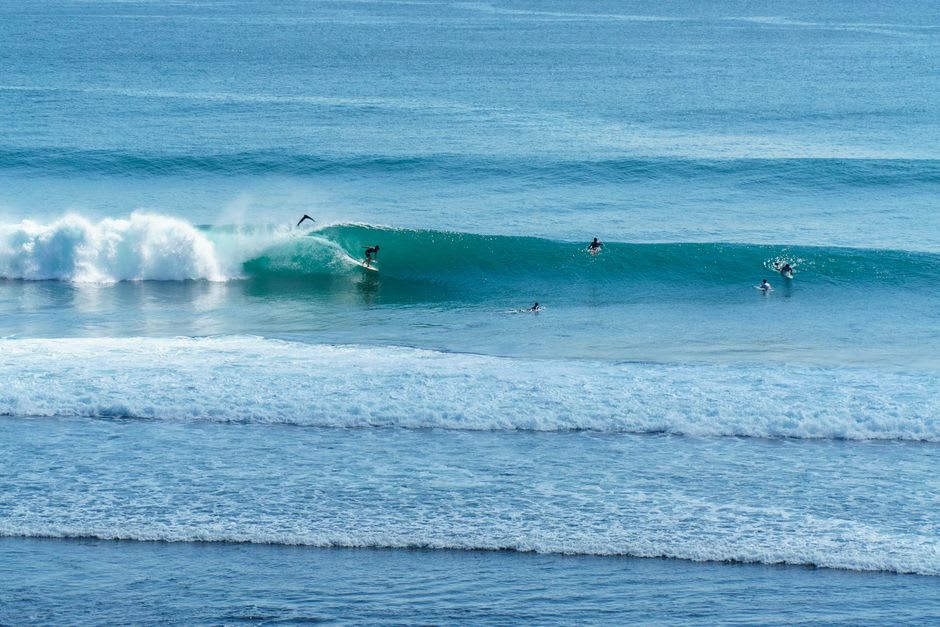
Below the temple, the cliffs give way to the break that made Uluwatu a pilgrimage site for a different kind of visitor entirely. Australian surfers found the wave here in the early 1970s, climbing down a cave passage to reach the water, and the setup — a long, powerful left-hander peeling over a shallow reef — is still considered one of the best waves in the world by people who’d know. The main cave entrance down to the water is worth the climb even if you don’t surf, just to watch the lineup from below, boards stacked against the cave walls, the tide dictating everything.
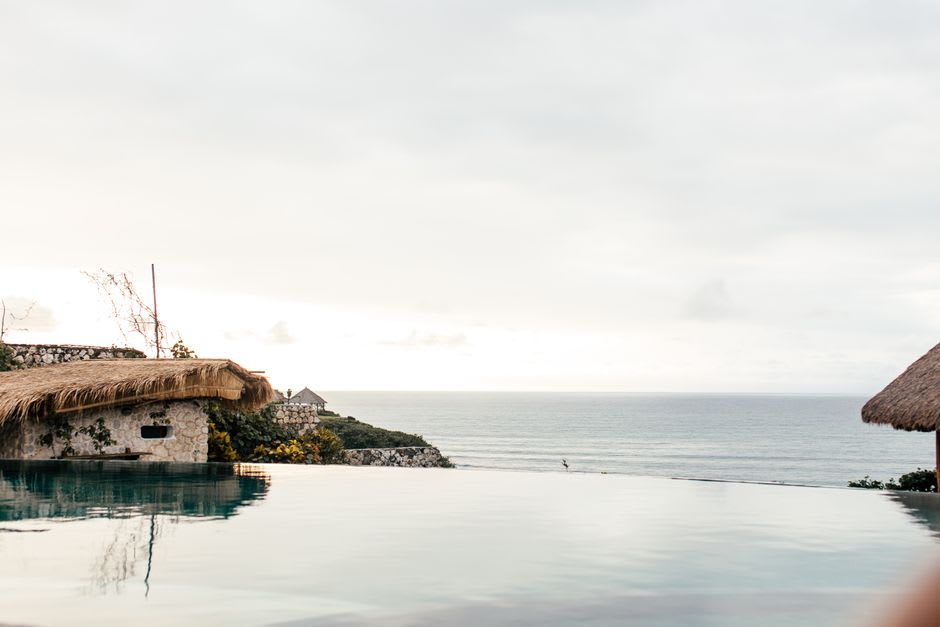
What’s changed the character of the place most in the last decade isn’t the surf, it’s the clifftop. Beach clubs and infinity pools now line the ridge north of the temple, cantilevered over the drop with views toward Padang Padang and beyond, and the contrast between the sacred site and the sunbeds a few hundred meters away is jarring if you think about it too hard. I preferred the quieter southern stretch near Green Bowl beach, where a steep staircase cut into the cliff — 300-odd steps — leads down to a small cove that clears out almost entirely at high tide.
When to go: May to September brings the dry season and the biggest swells for surfing, though it’s also peak crowd season at the clifftop clubs. Go on a weekday for the Kecak performance, and arrive at the temple at least an hour before sunset to beat the tour buses.